Photos
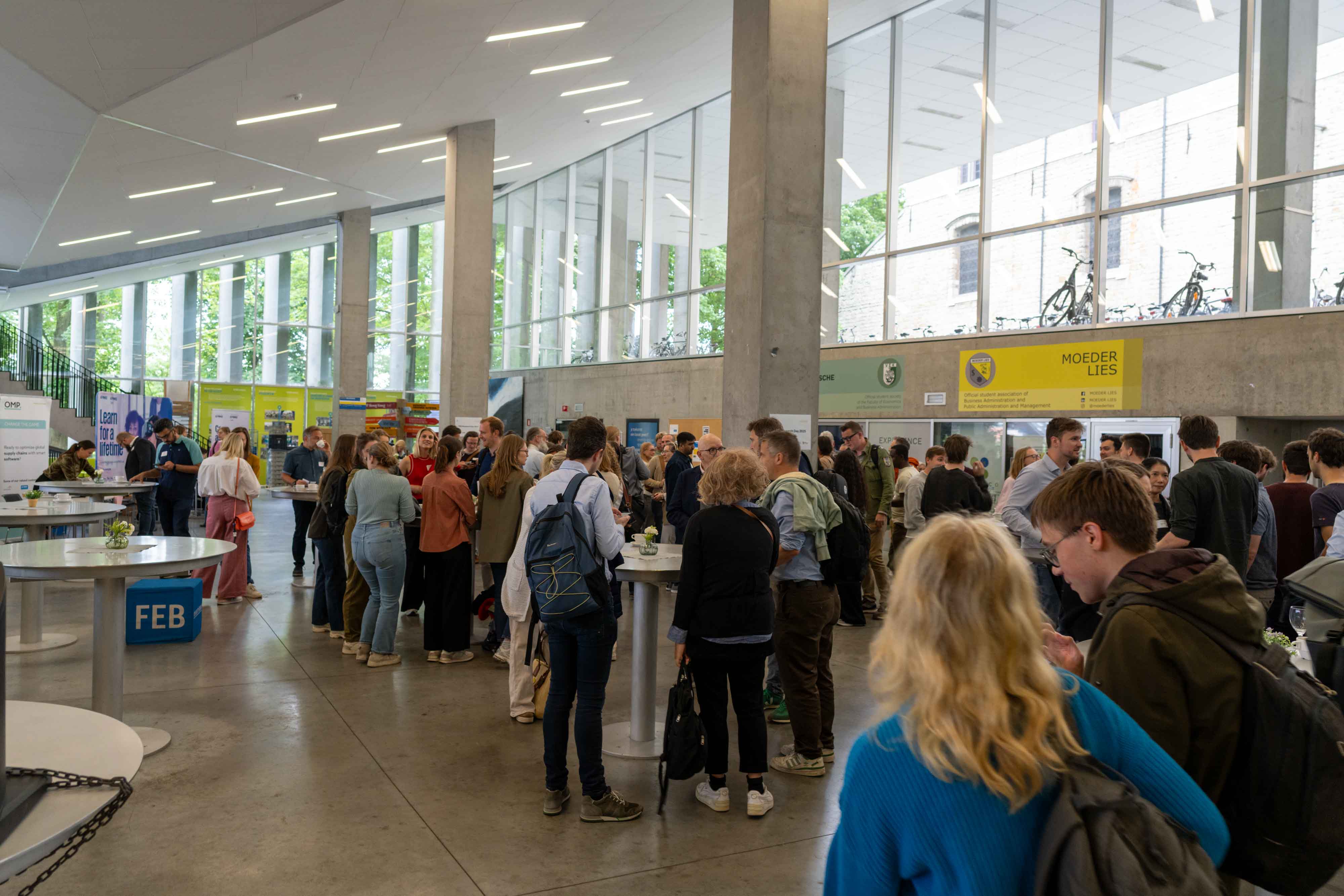
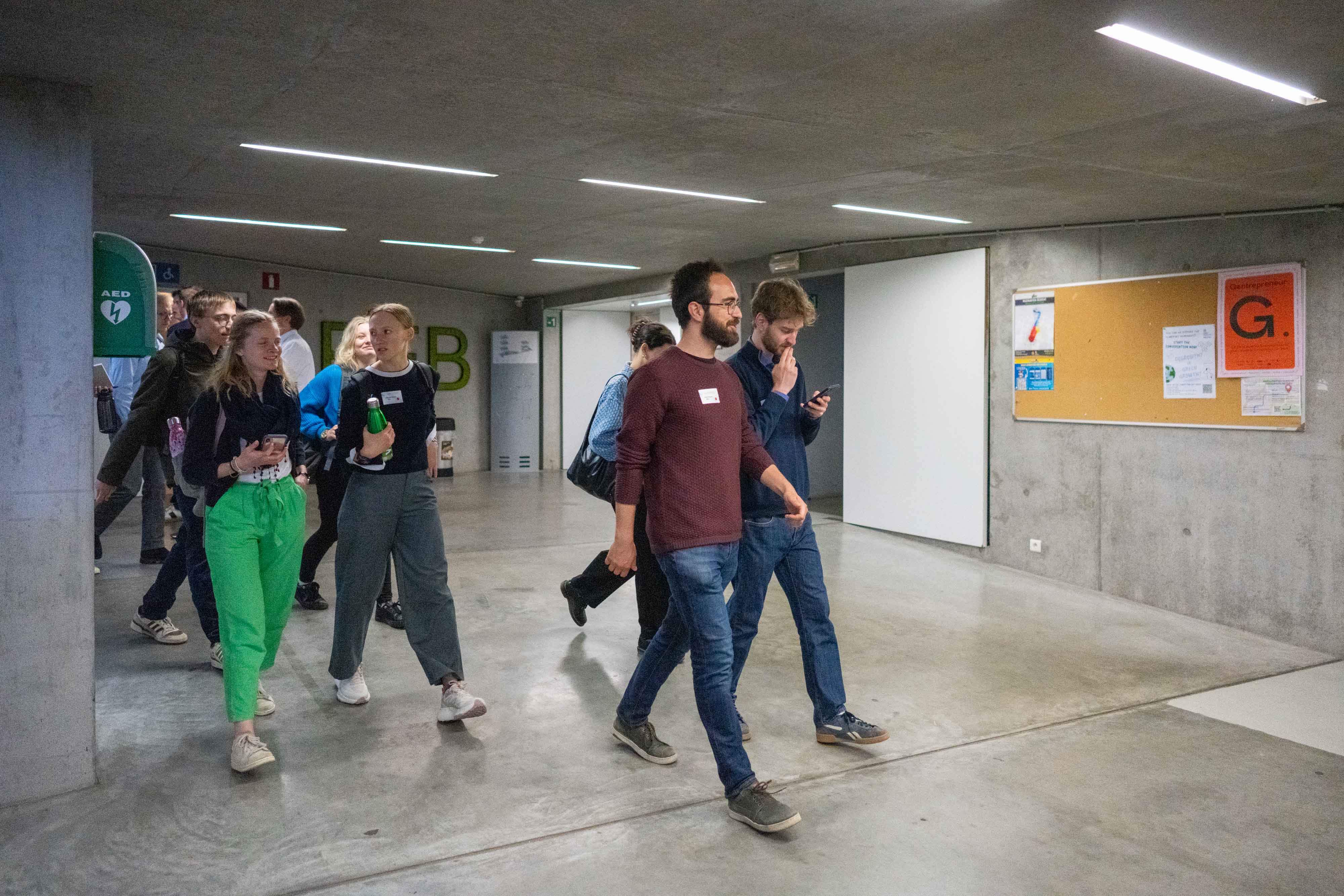
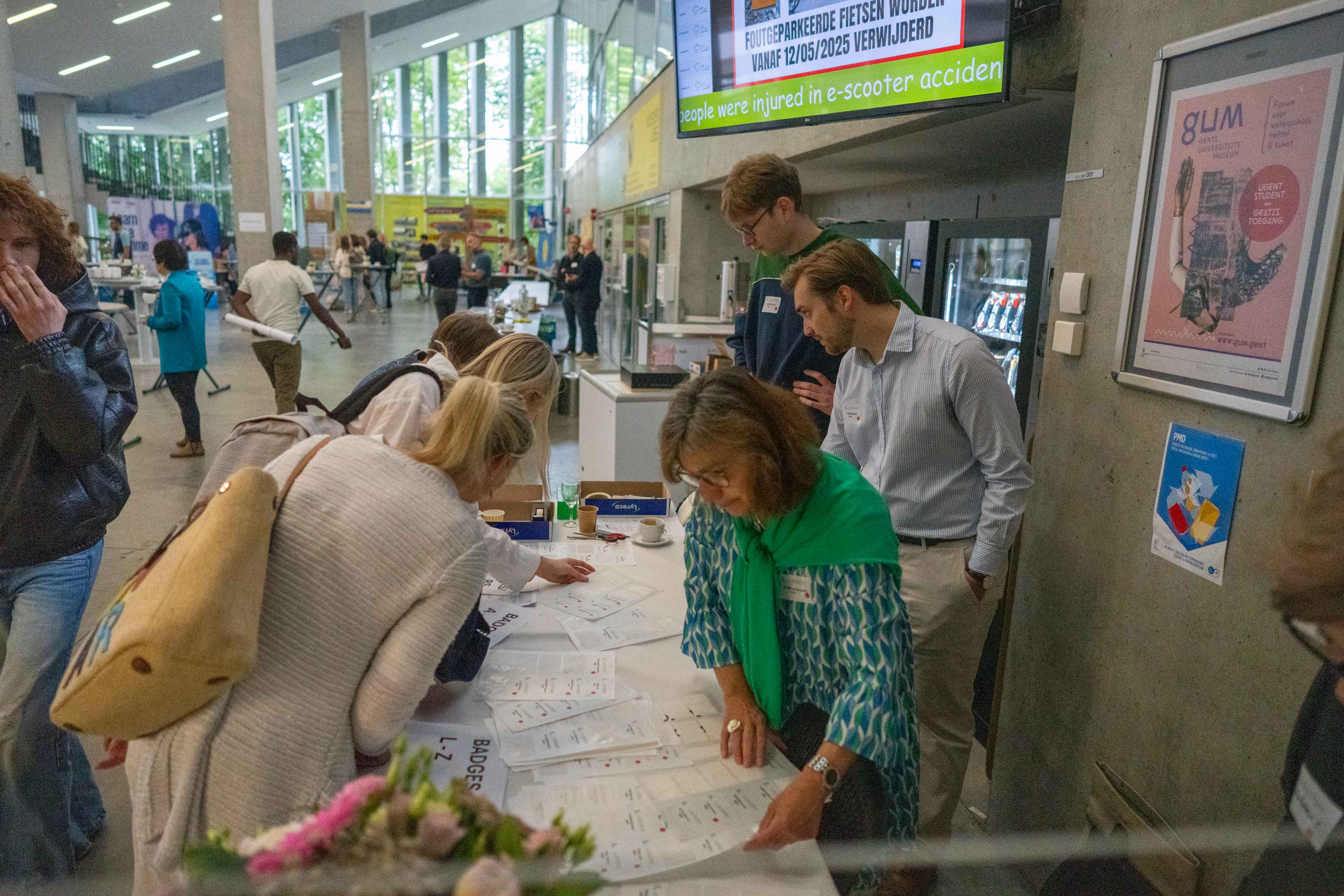
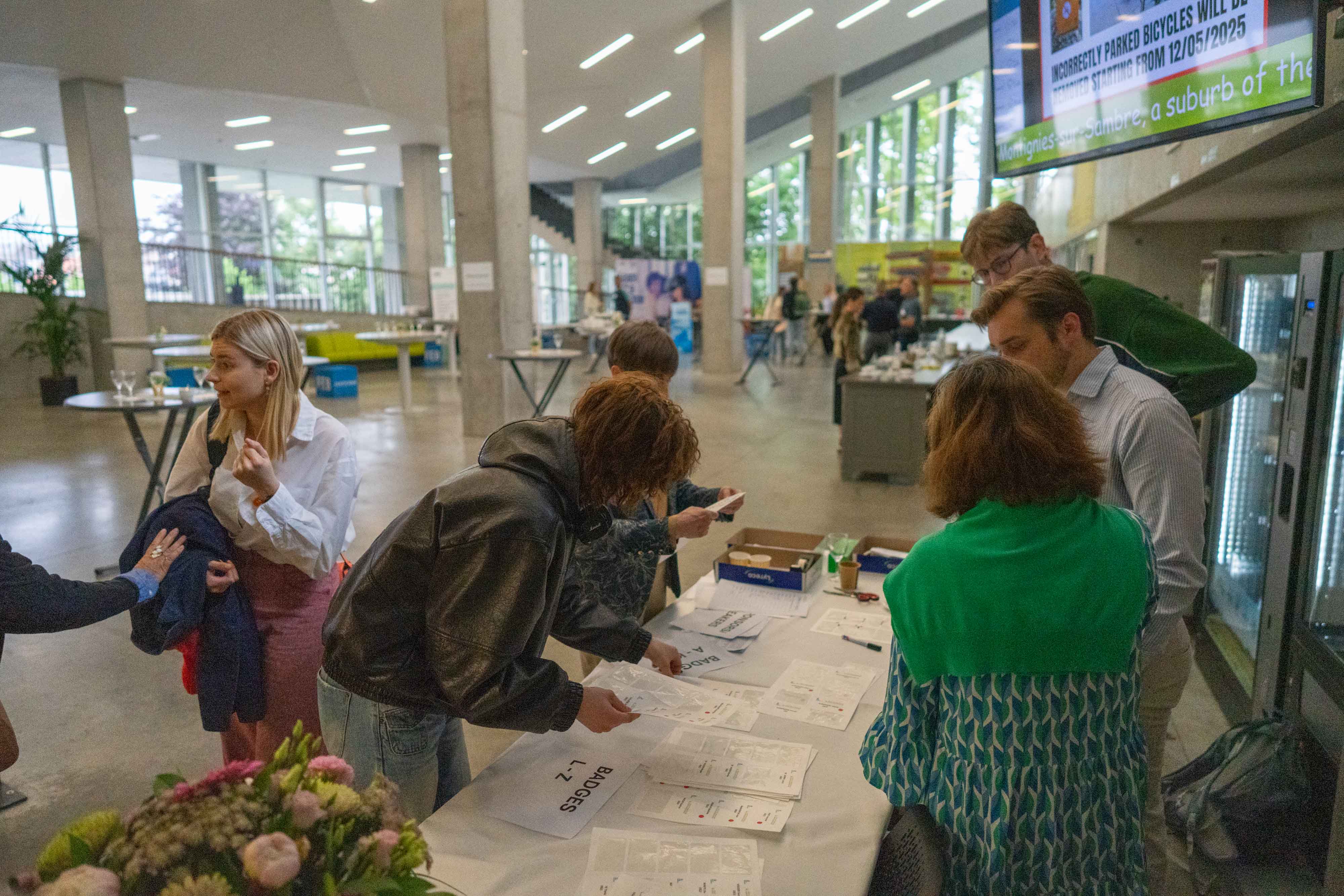
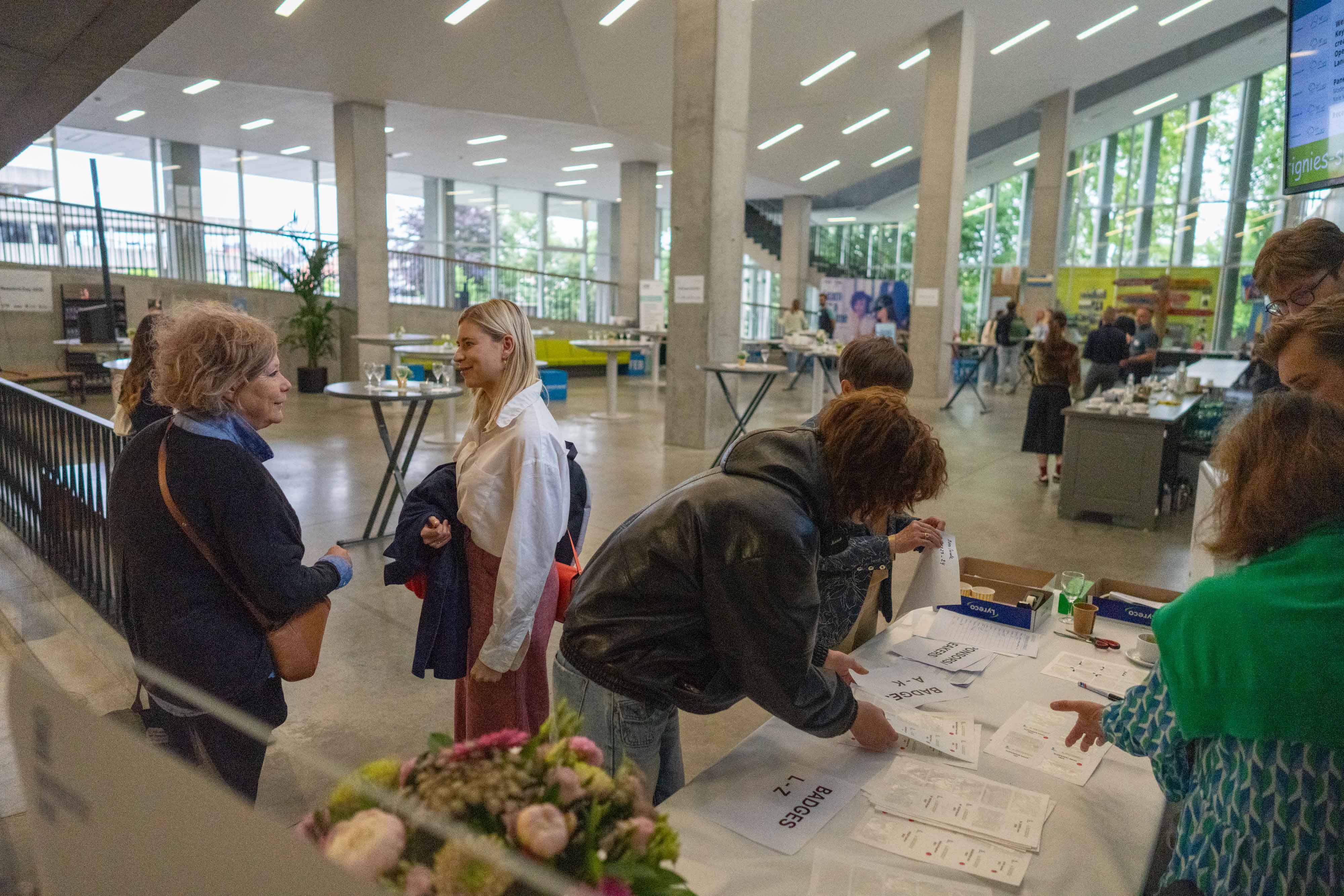
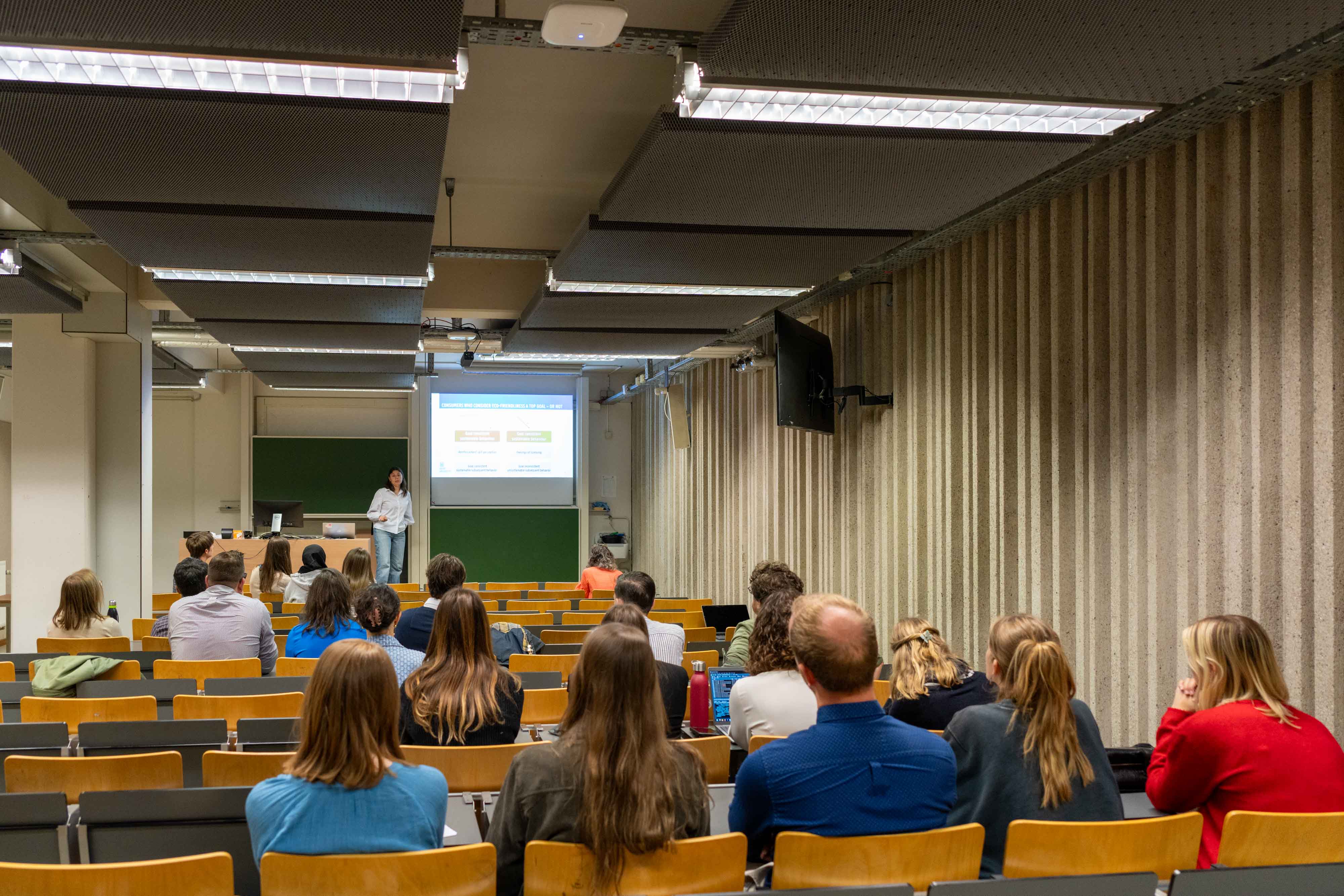
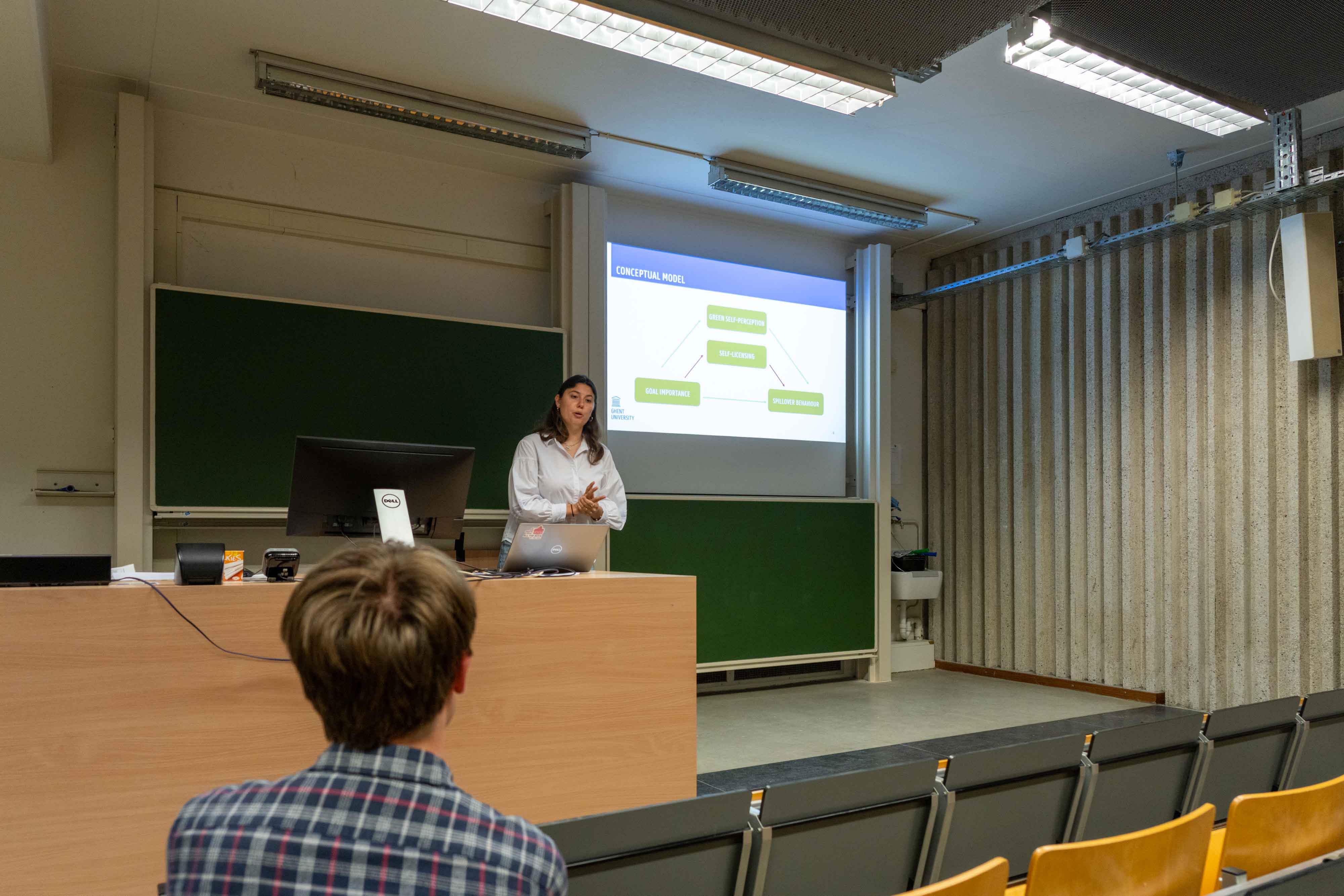
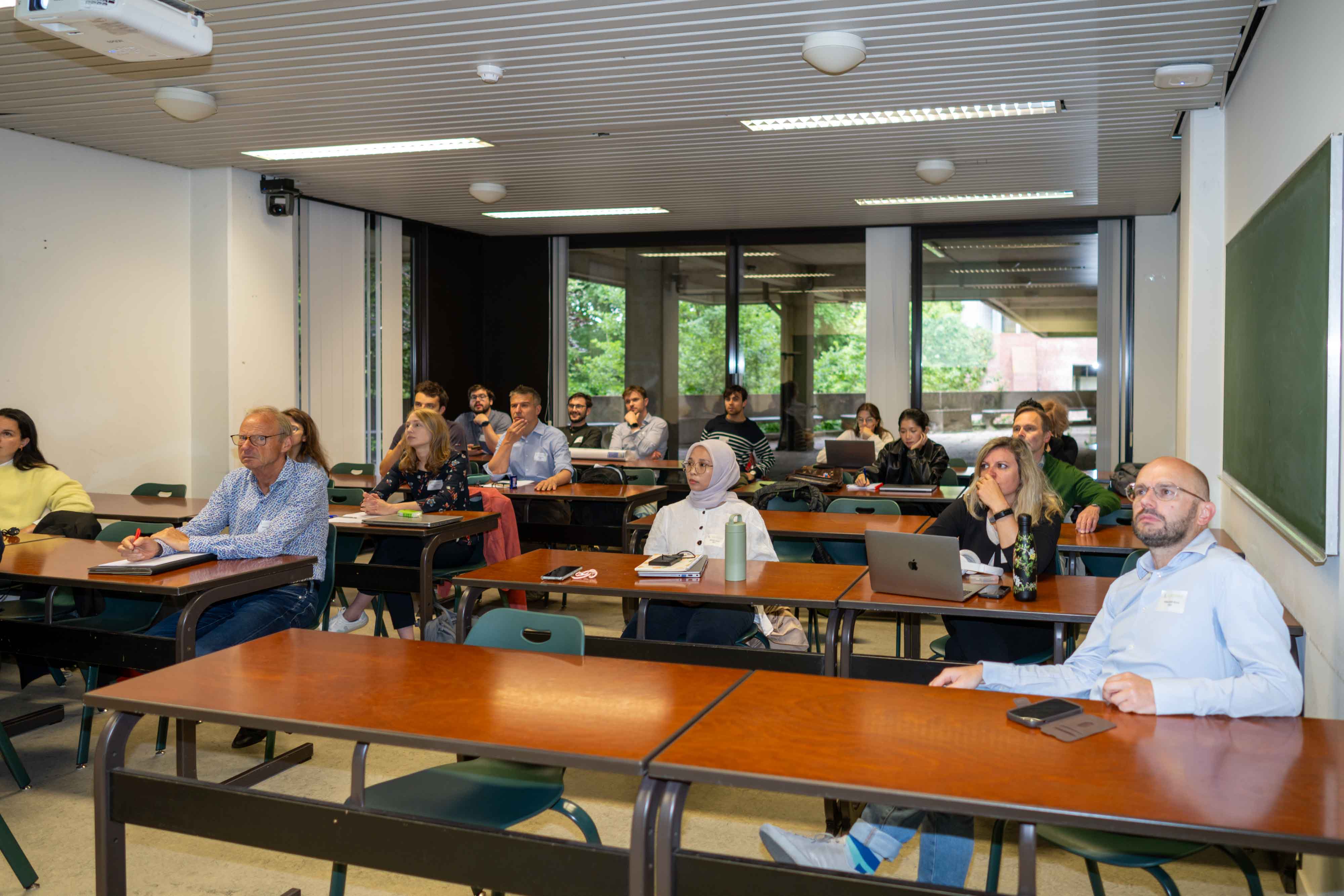
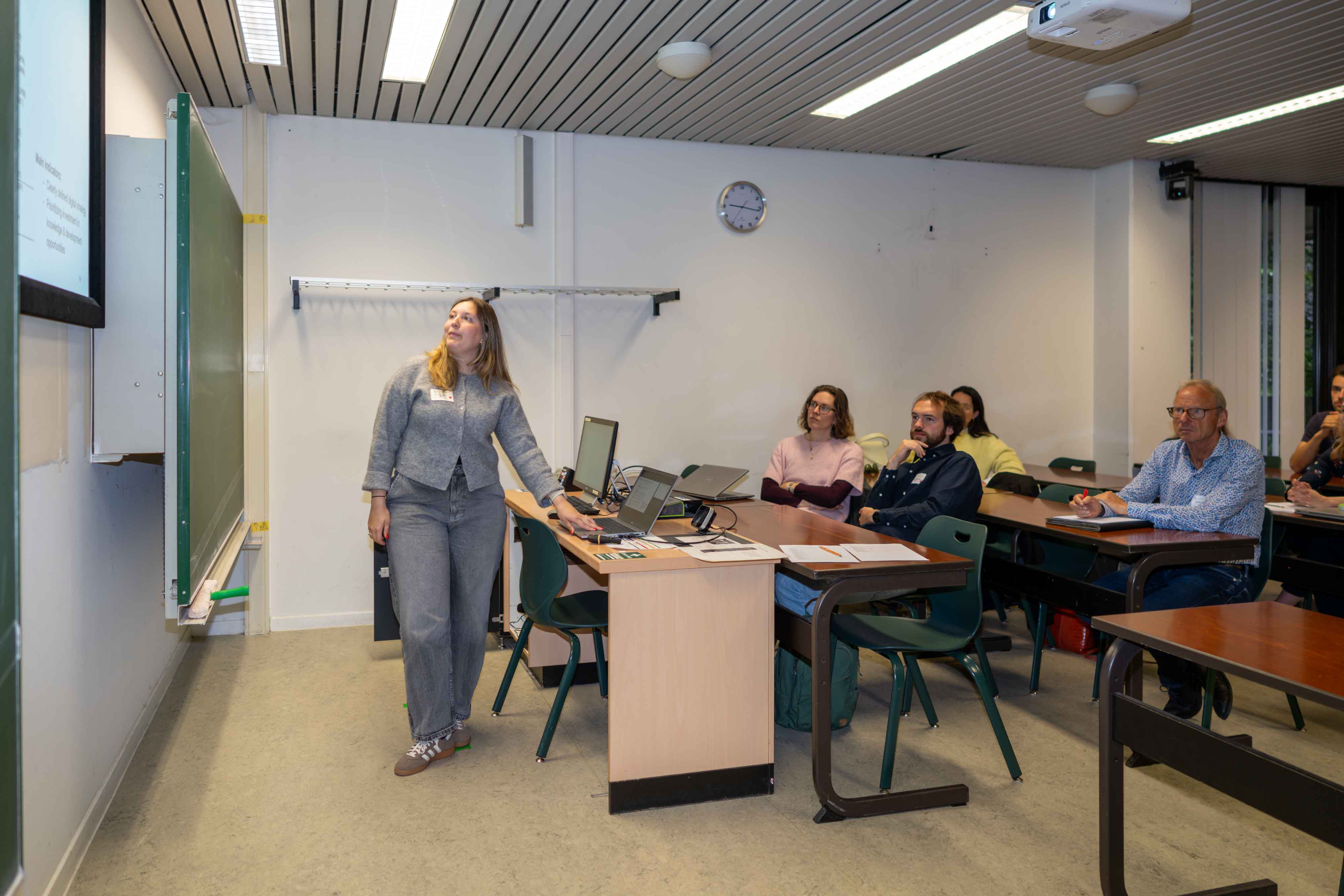
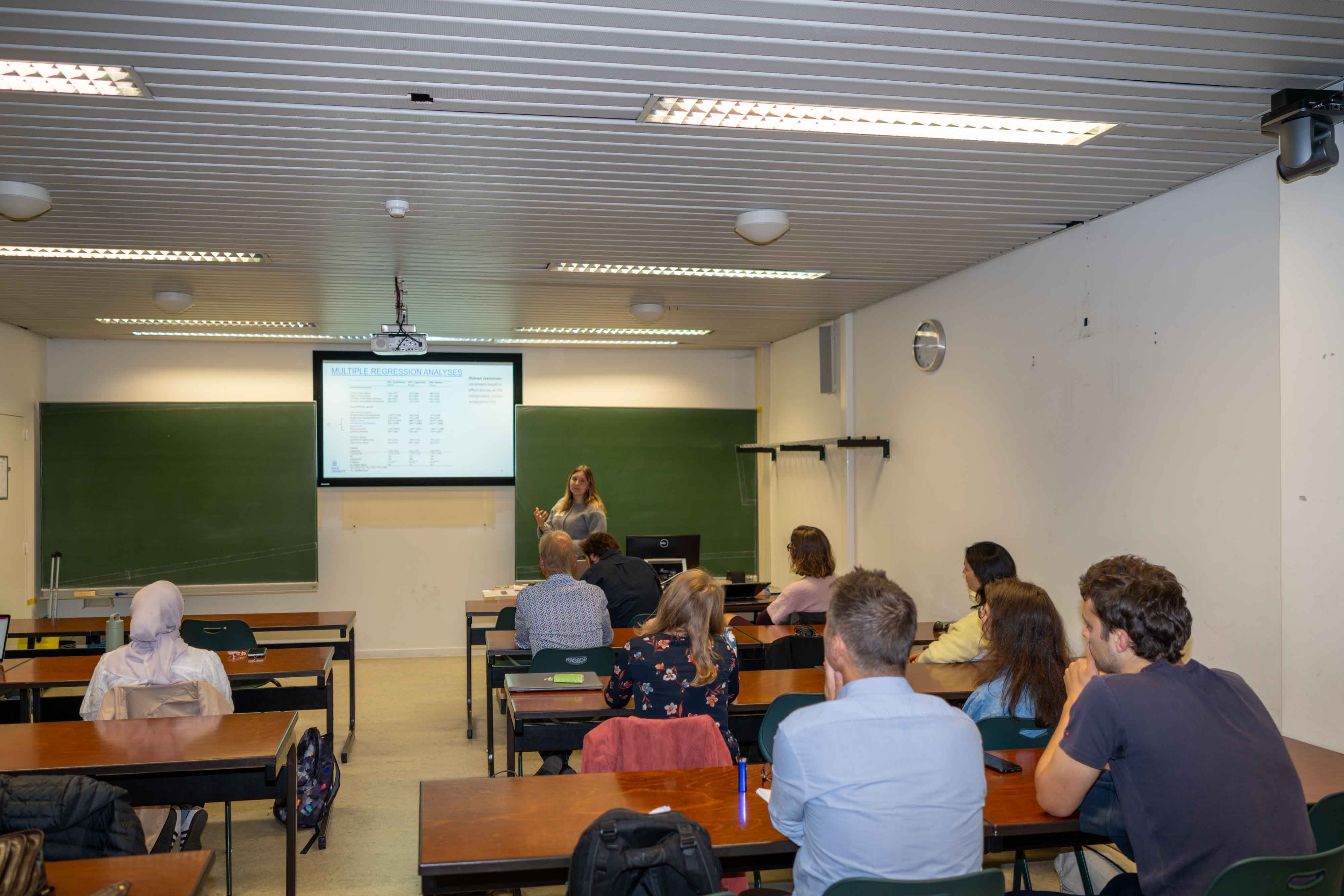
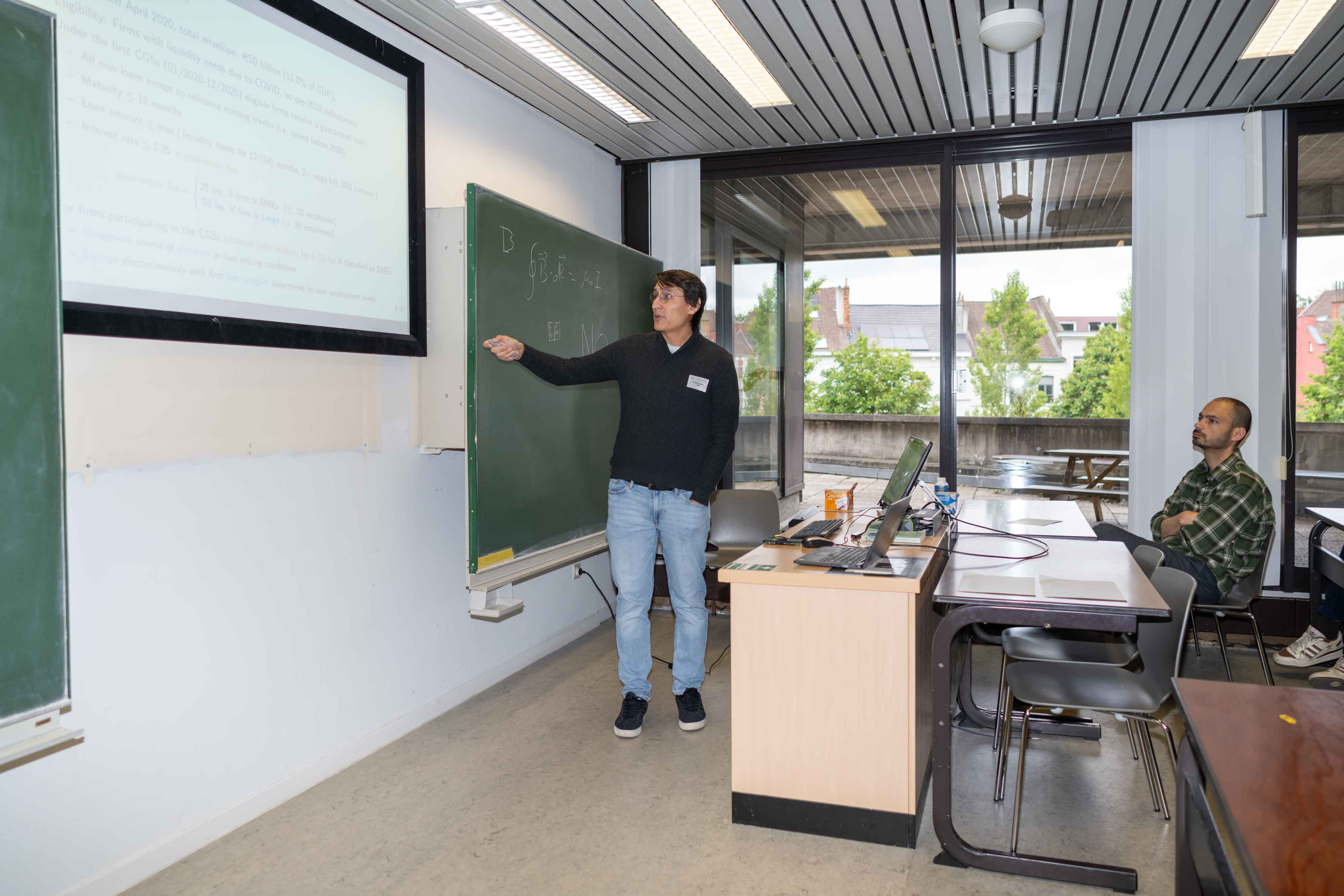
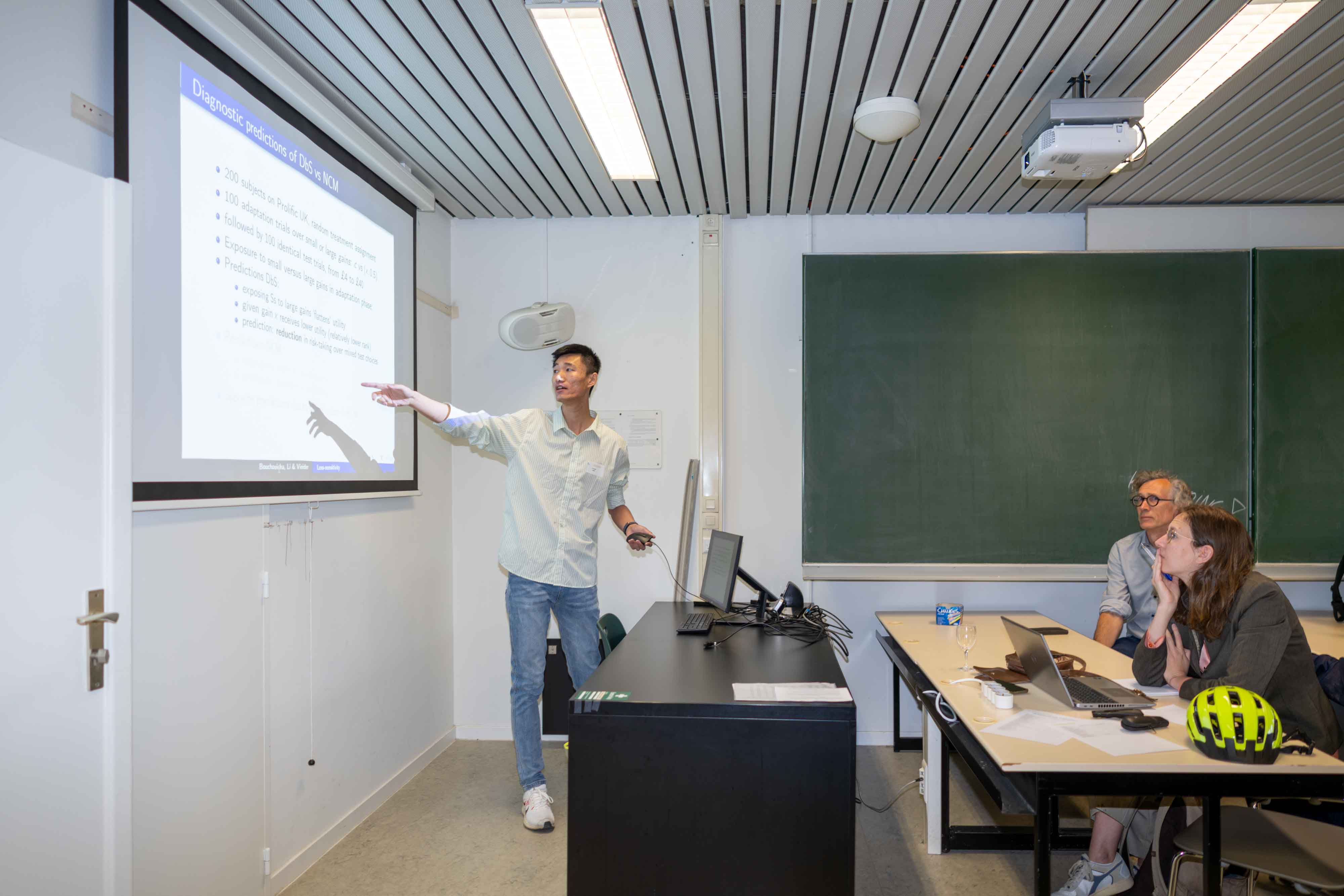
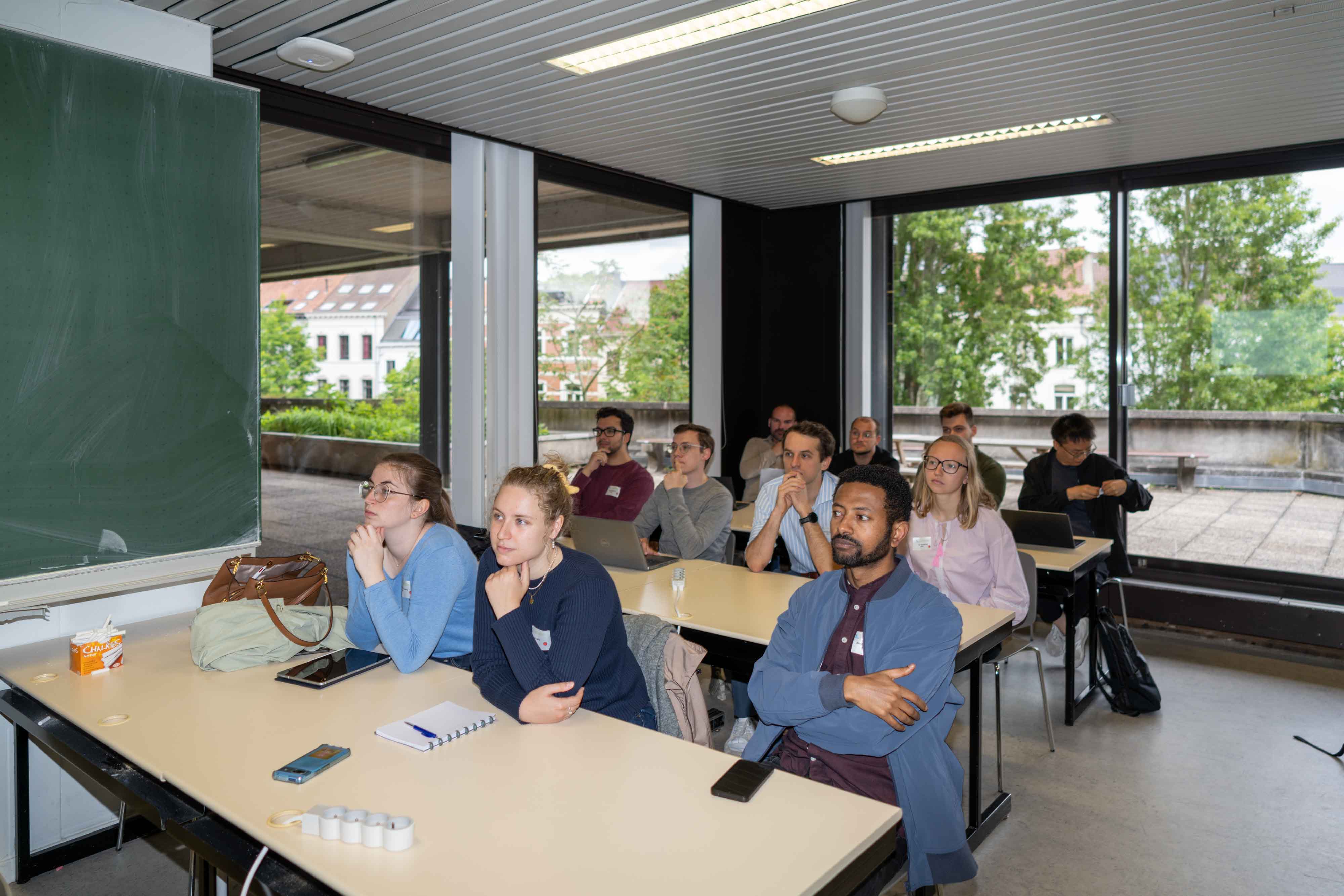
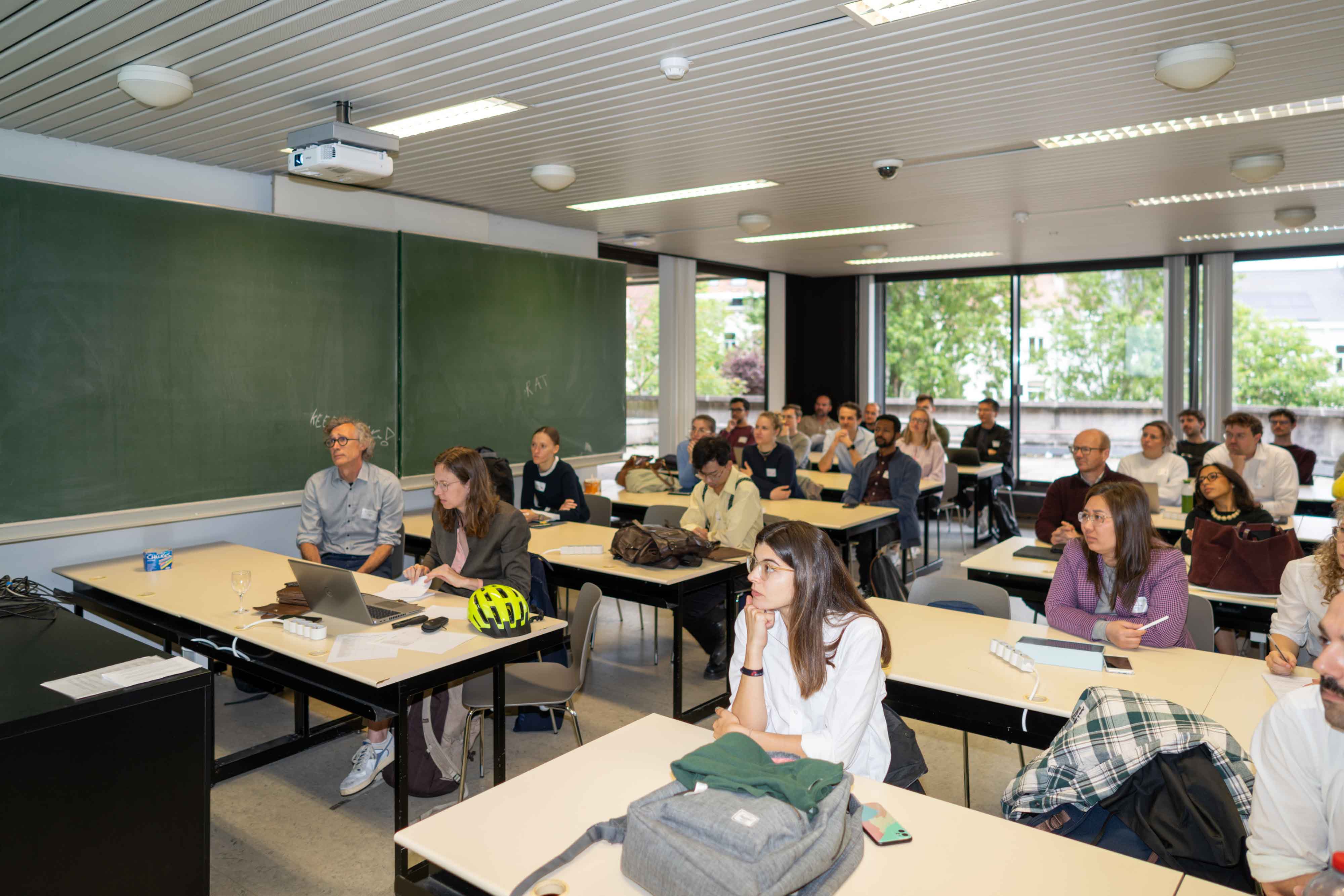
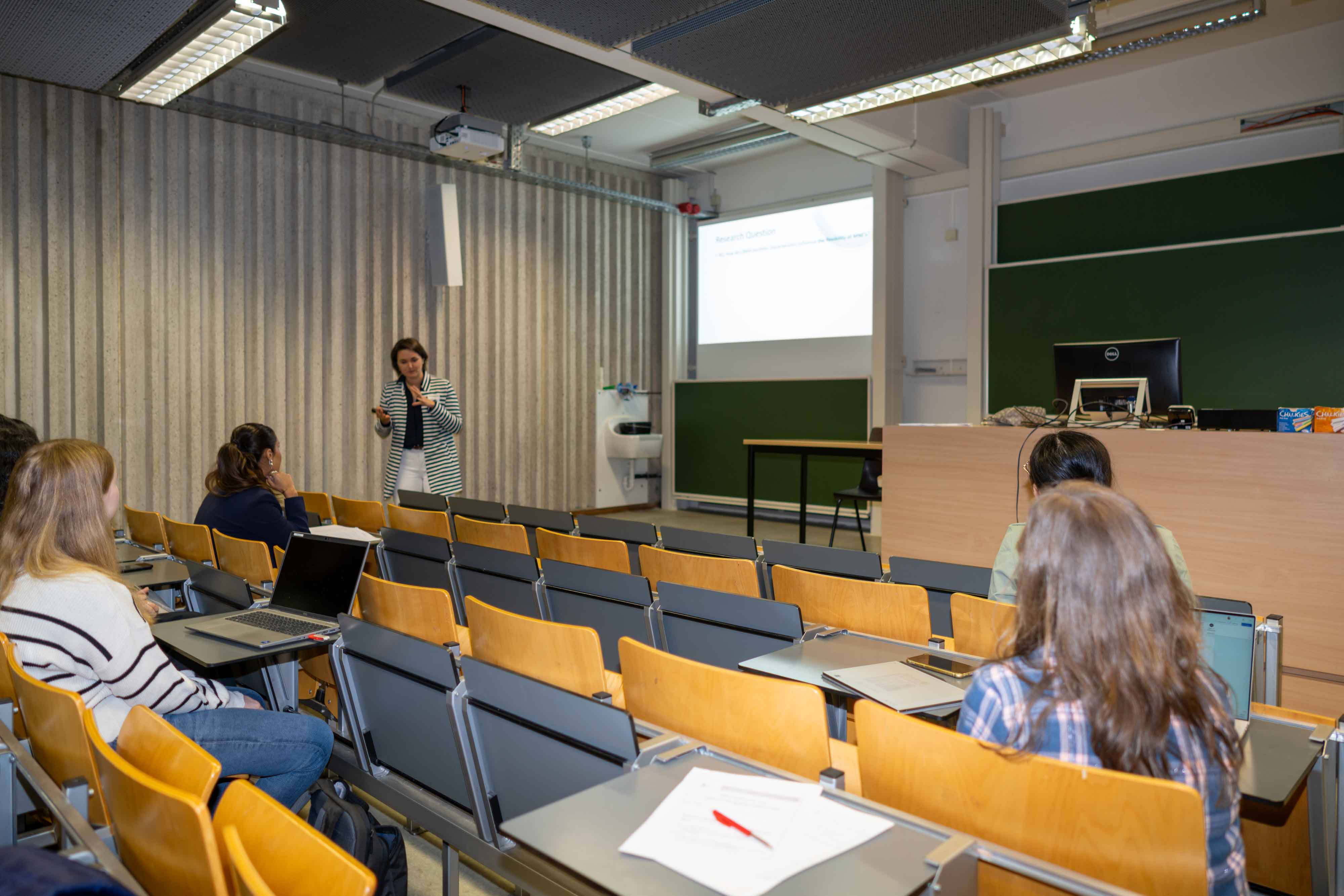
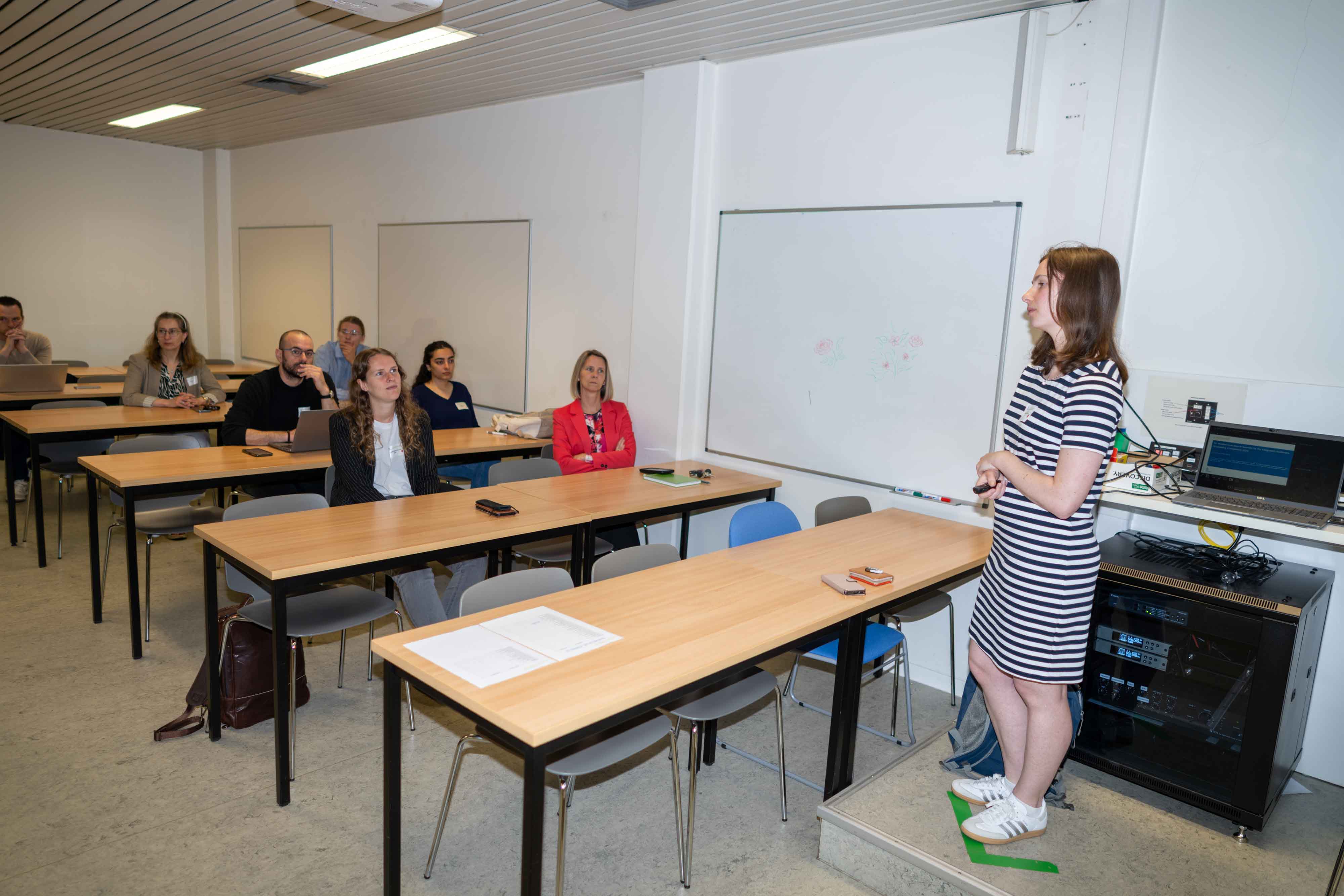
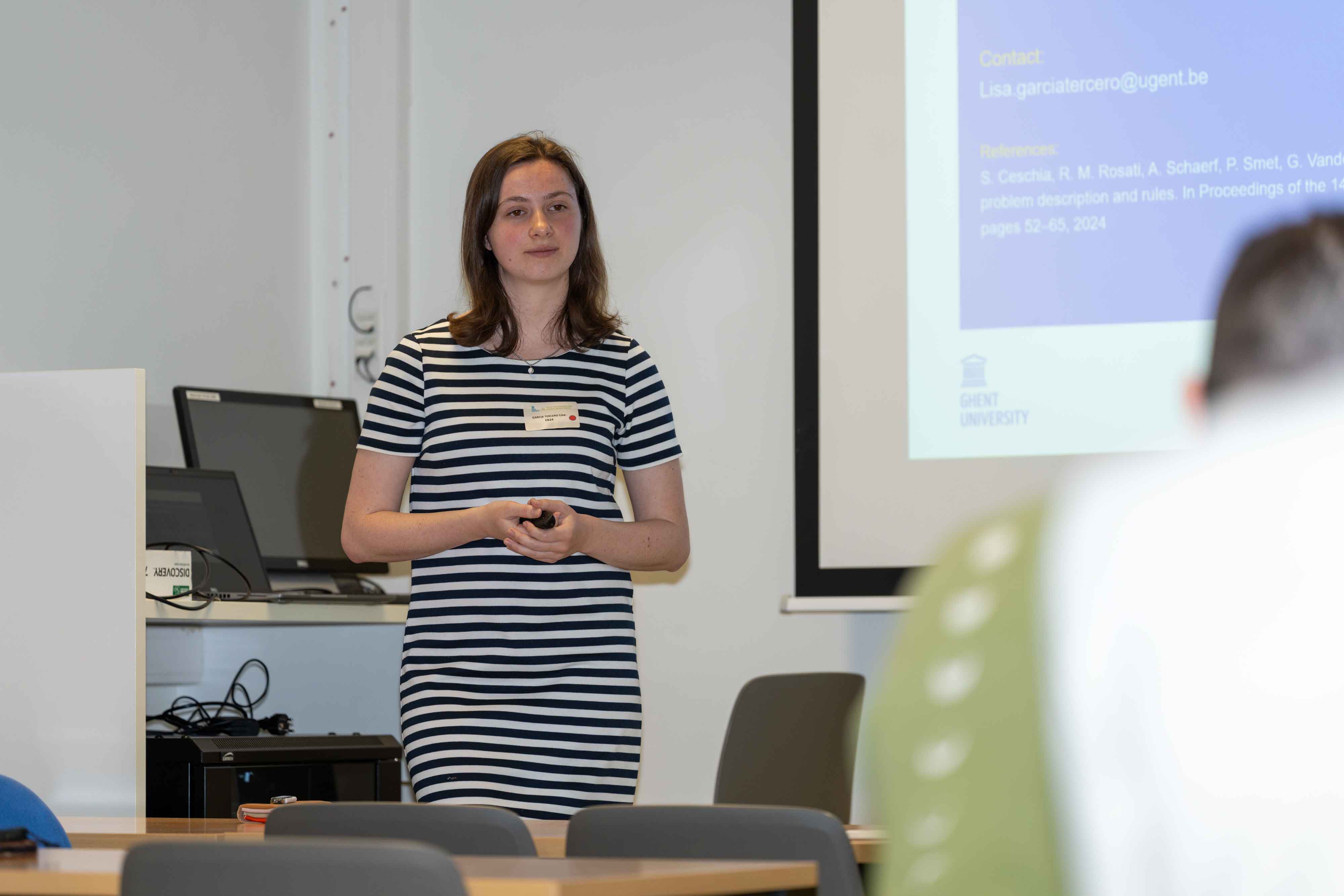
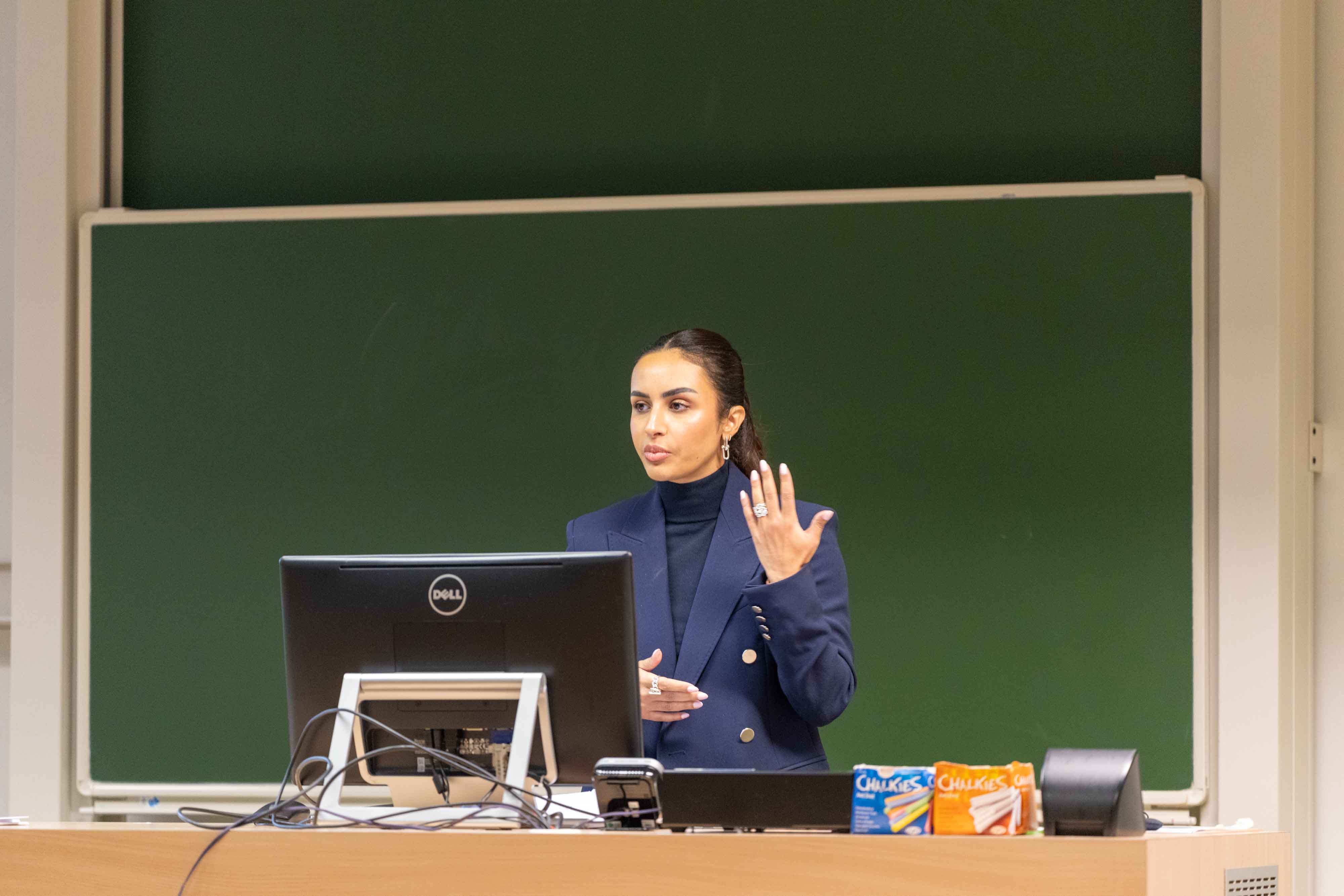
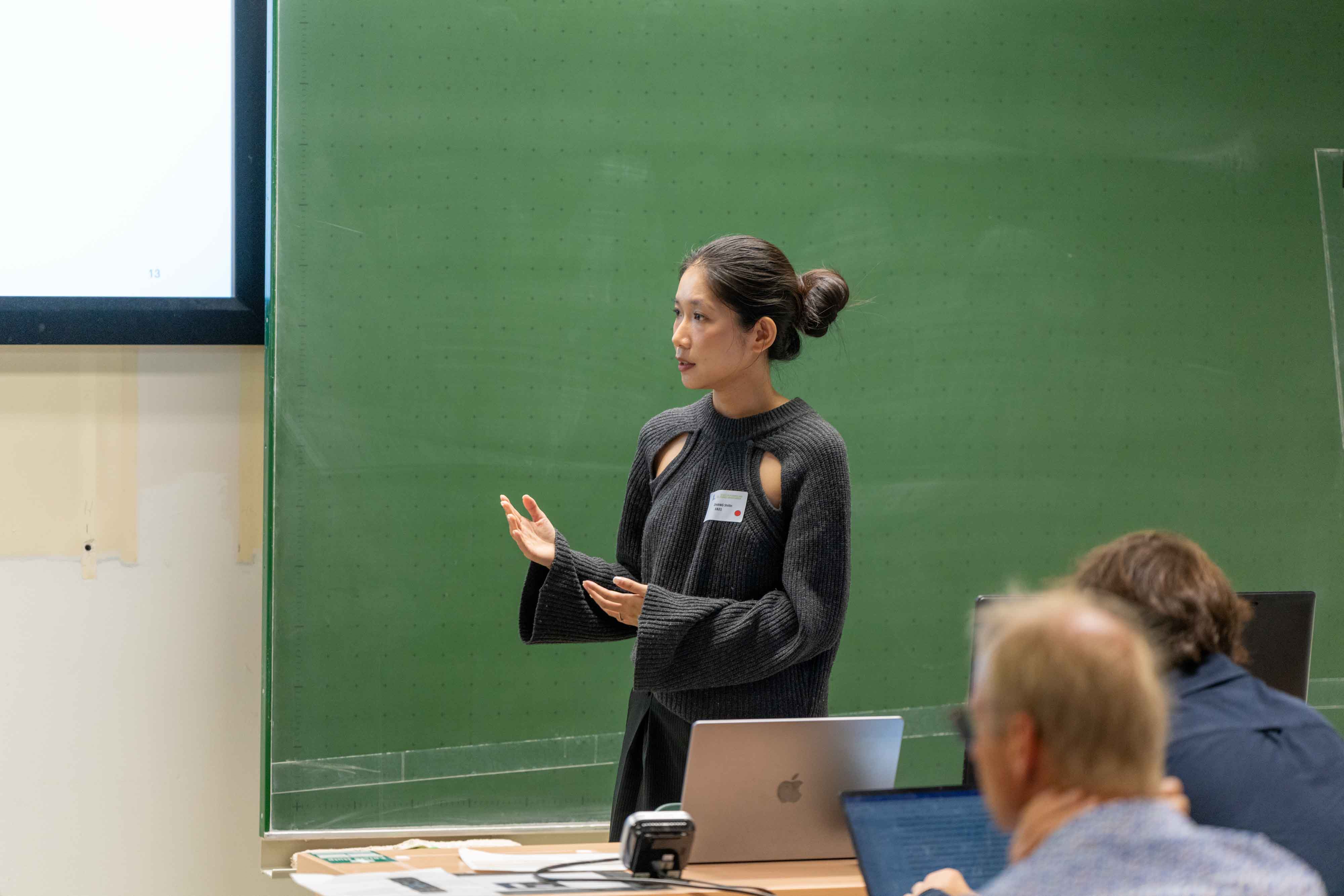
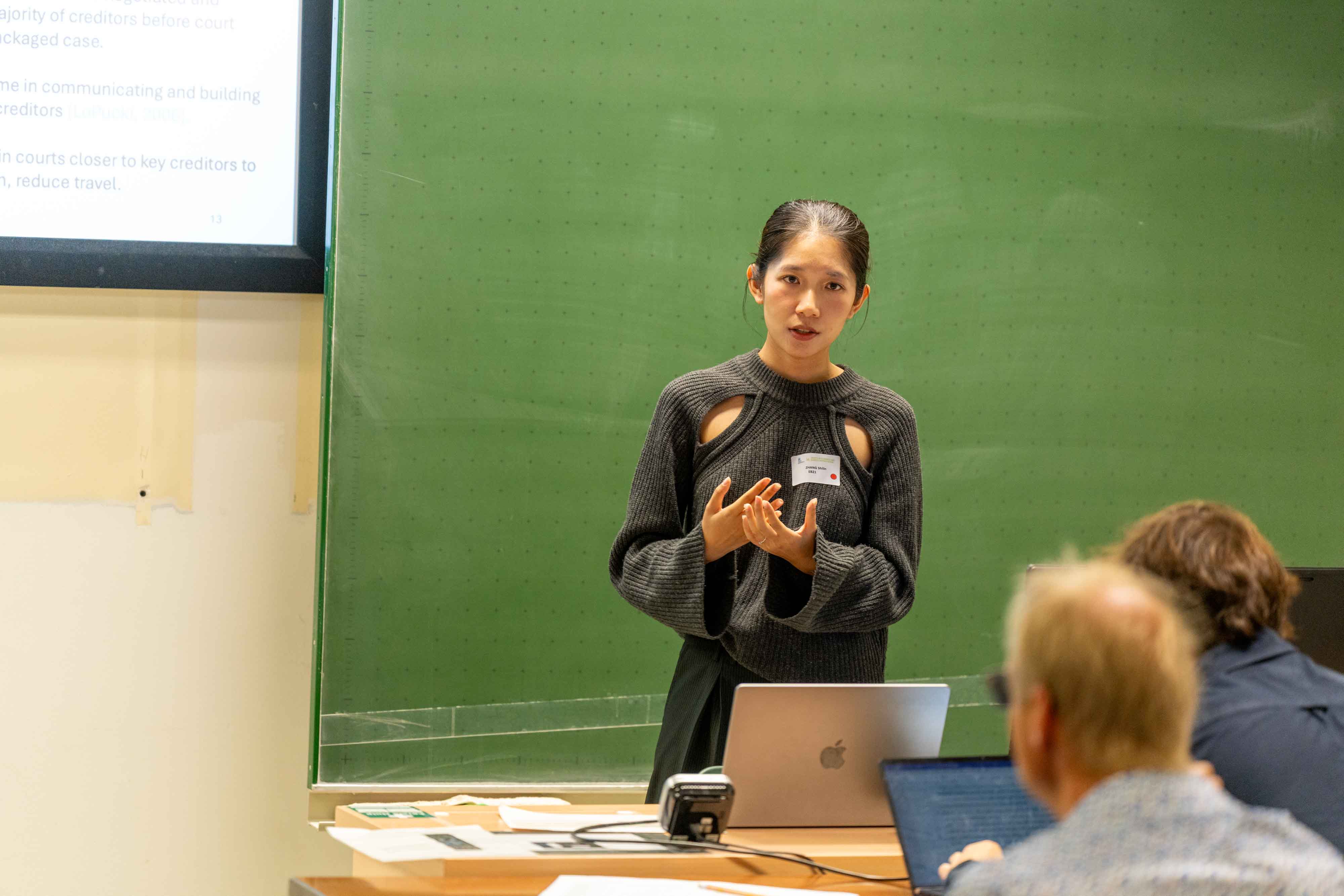
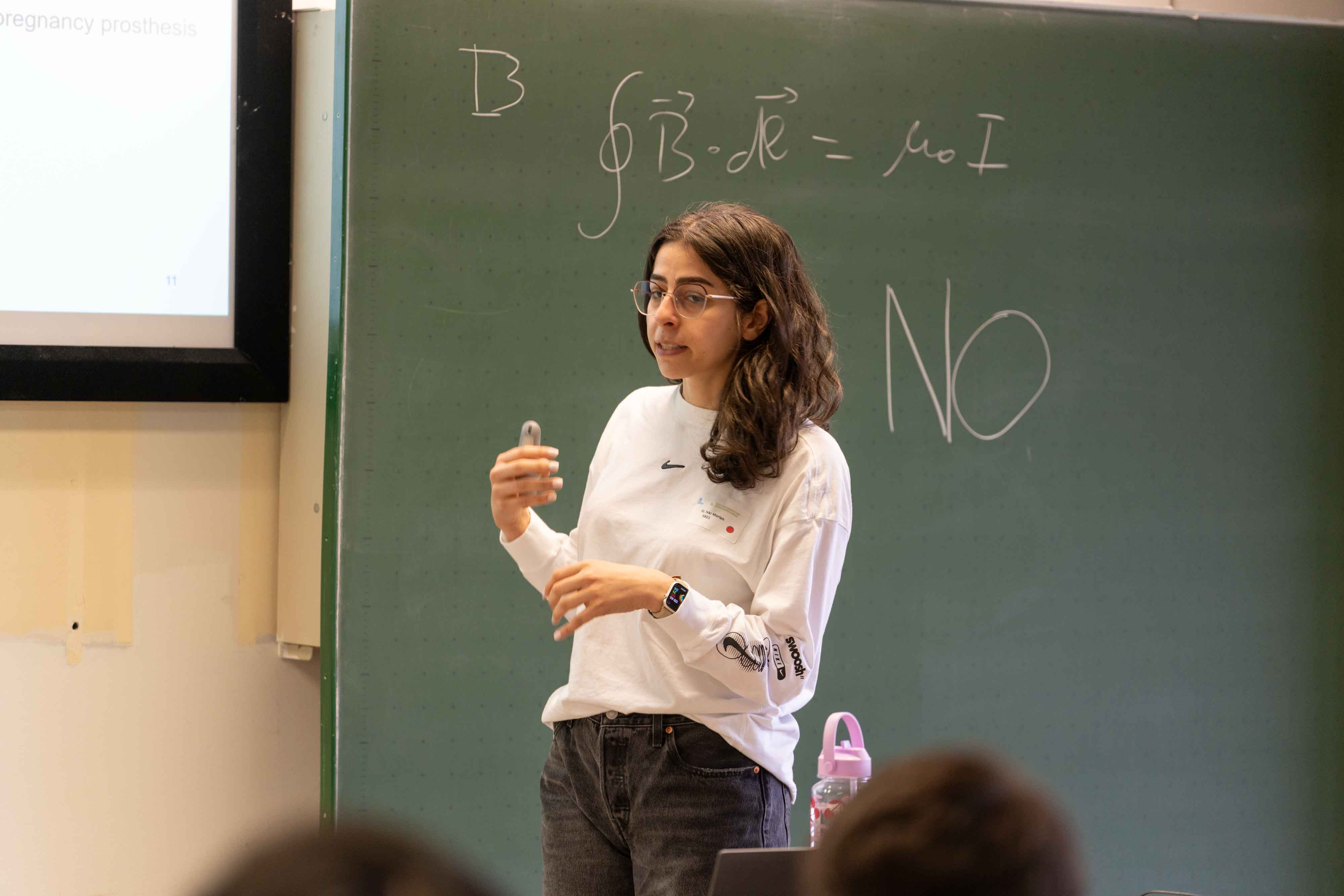
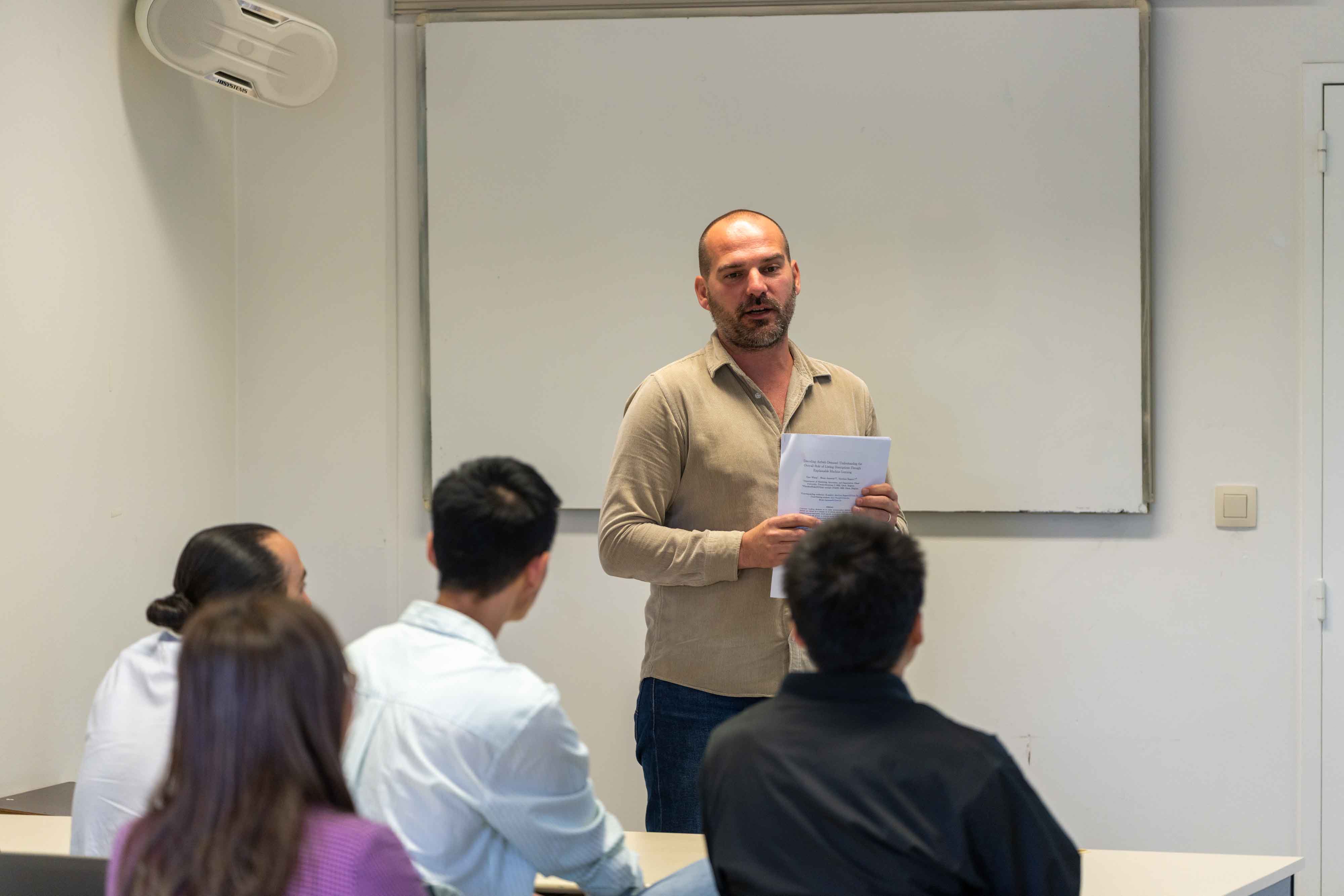
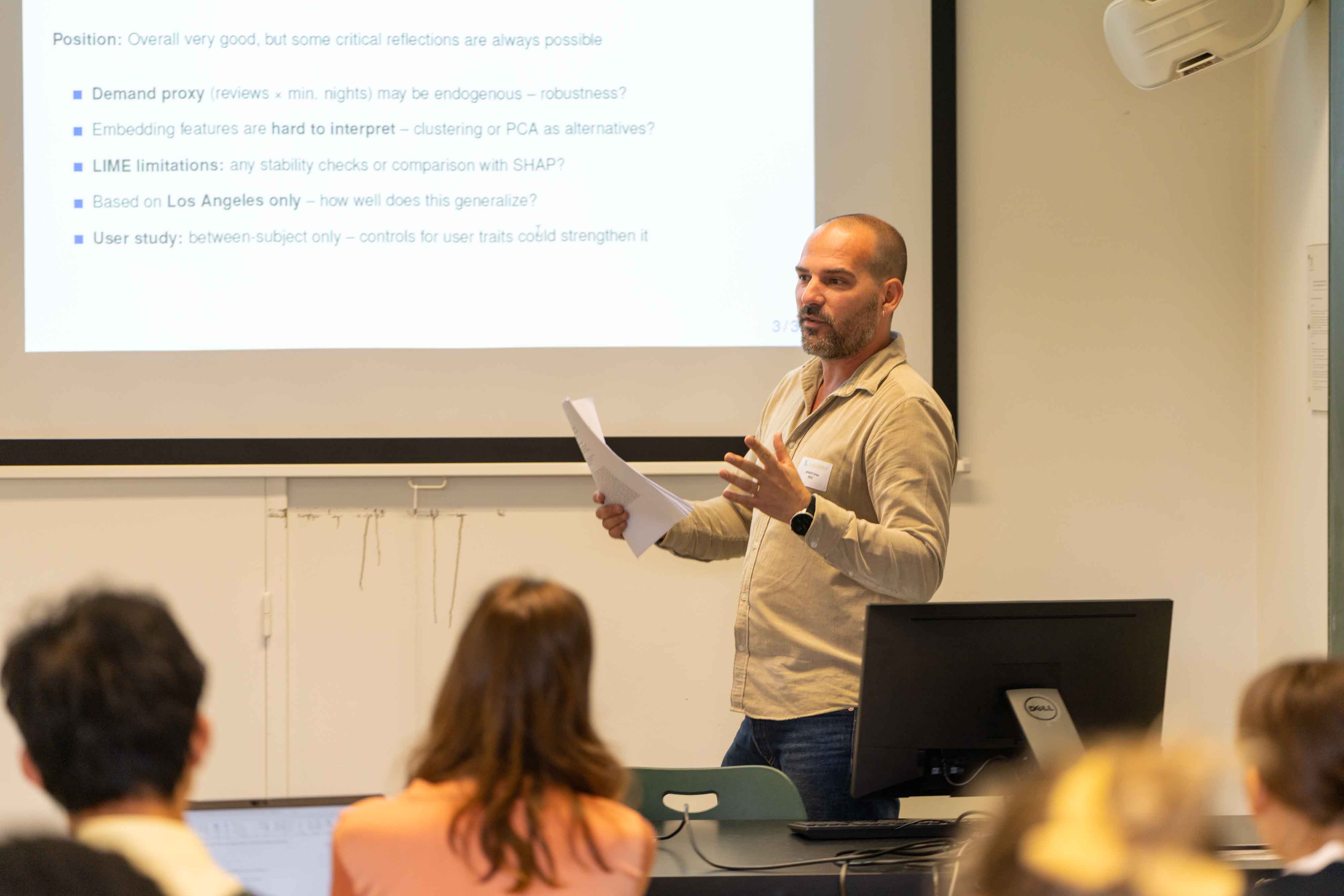
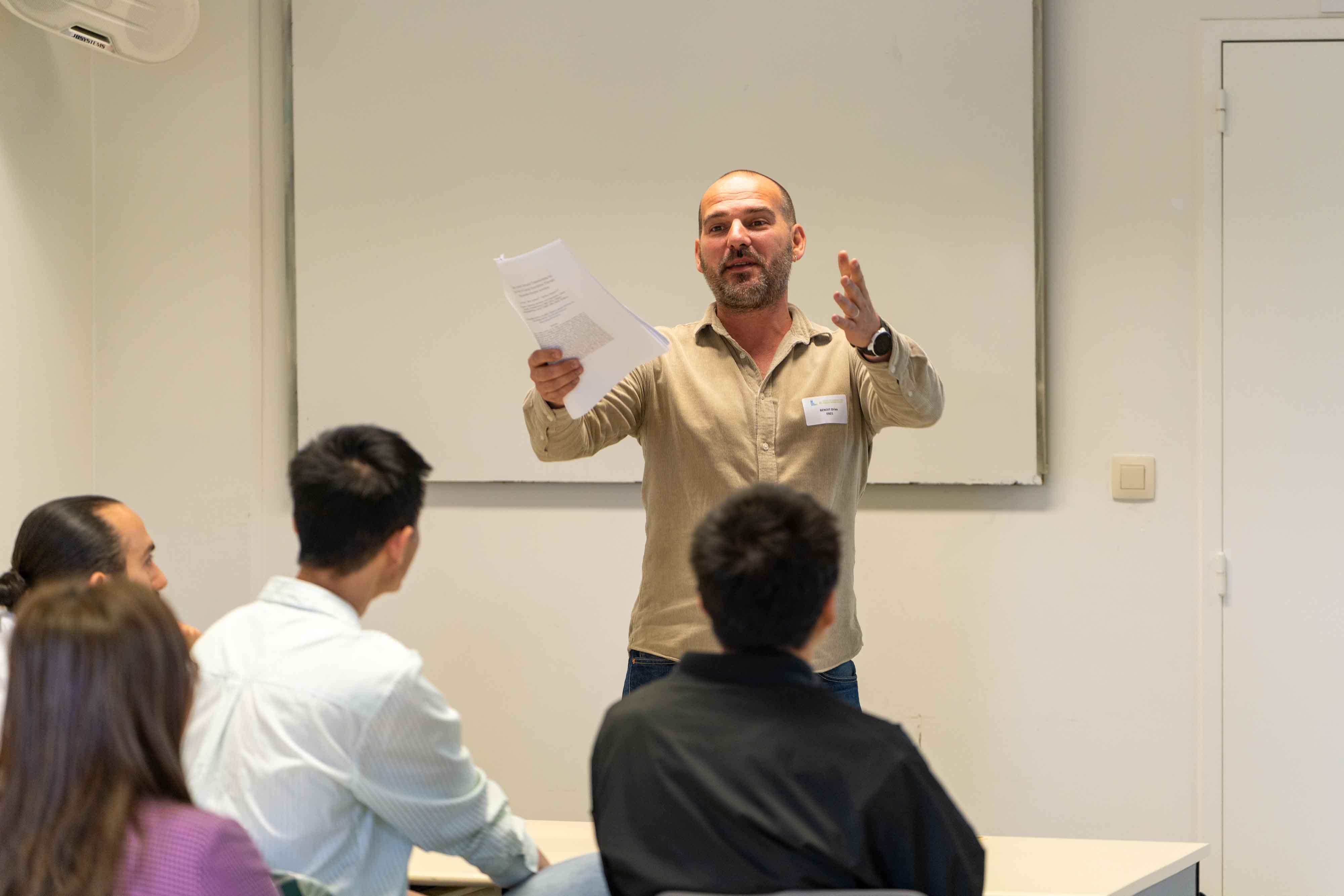
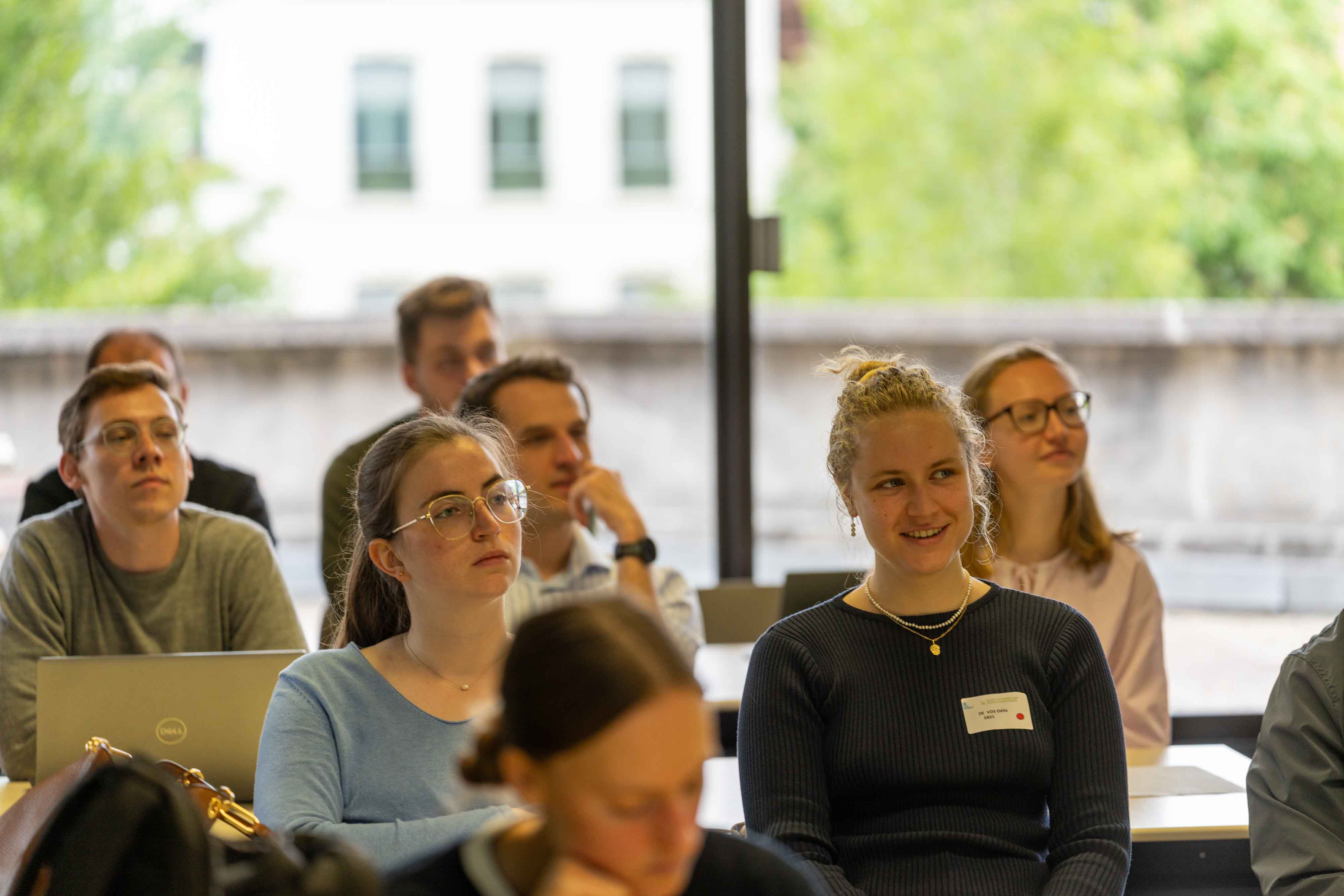
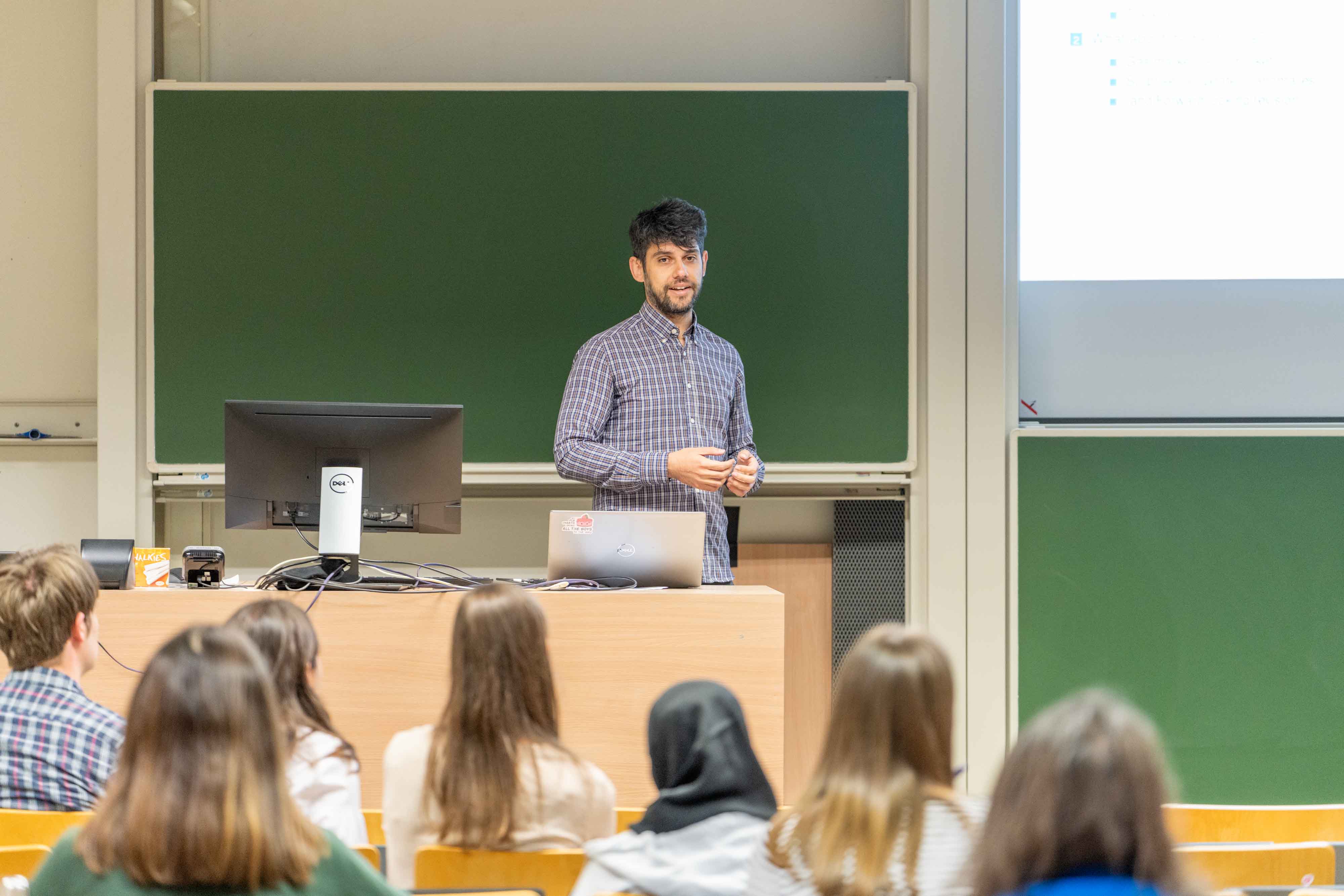
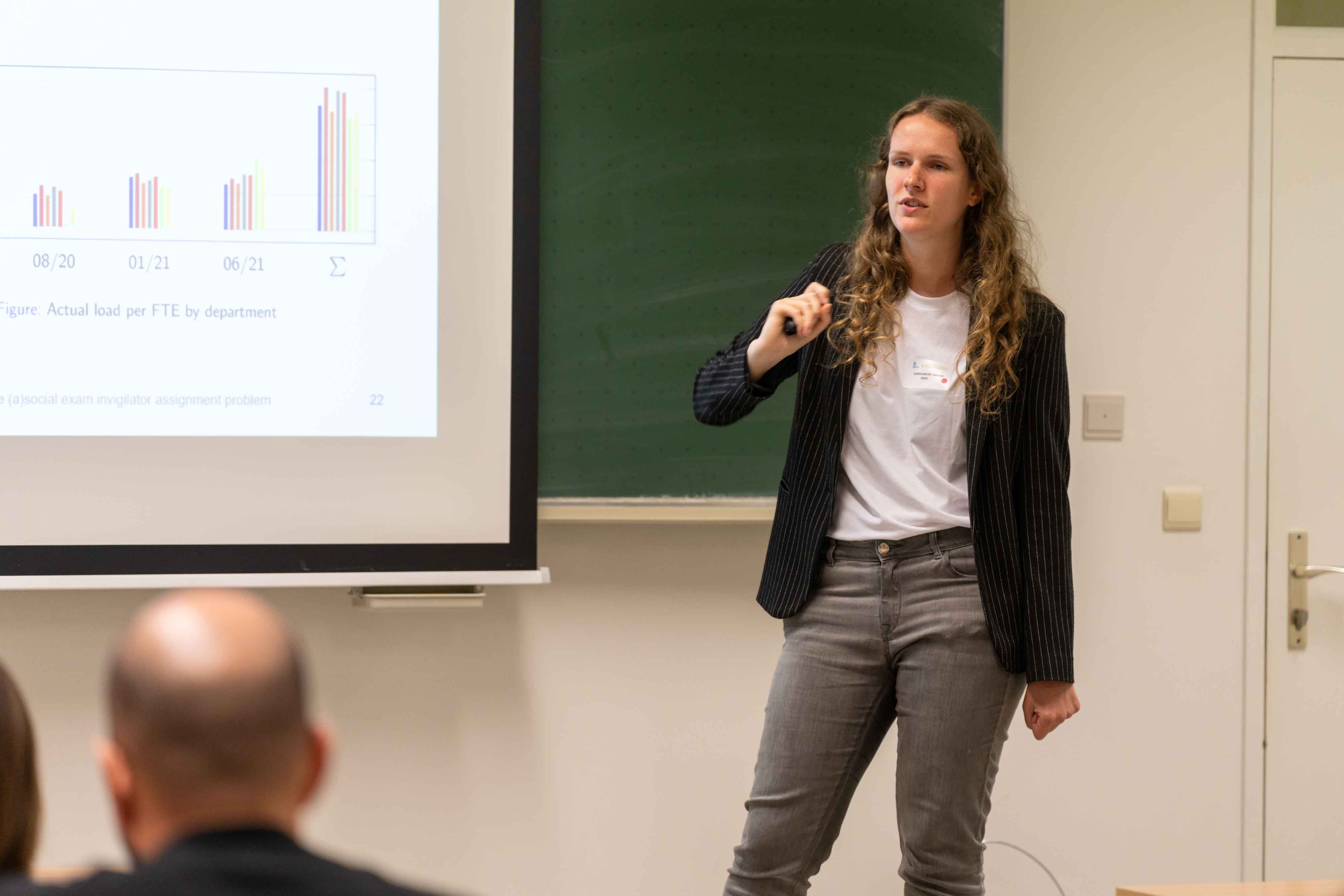
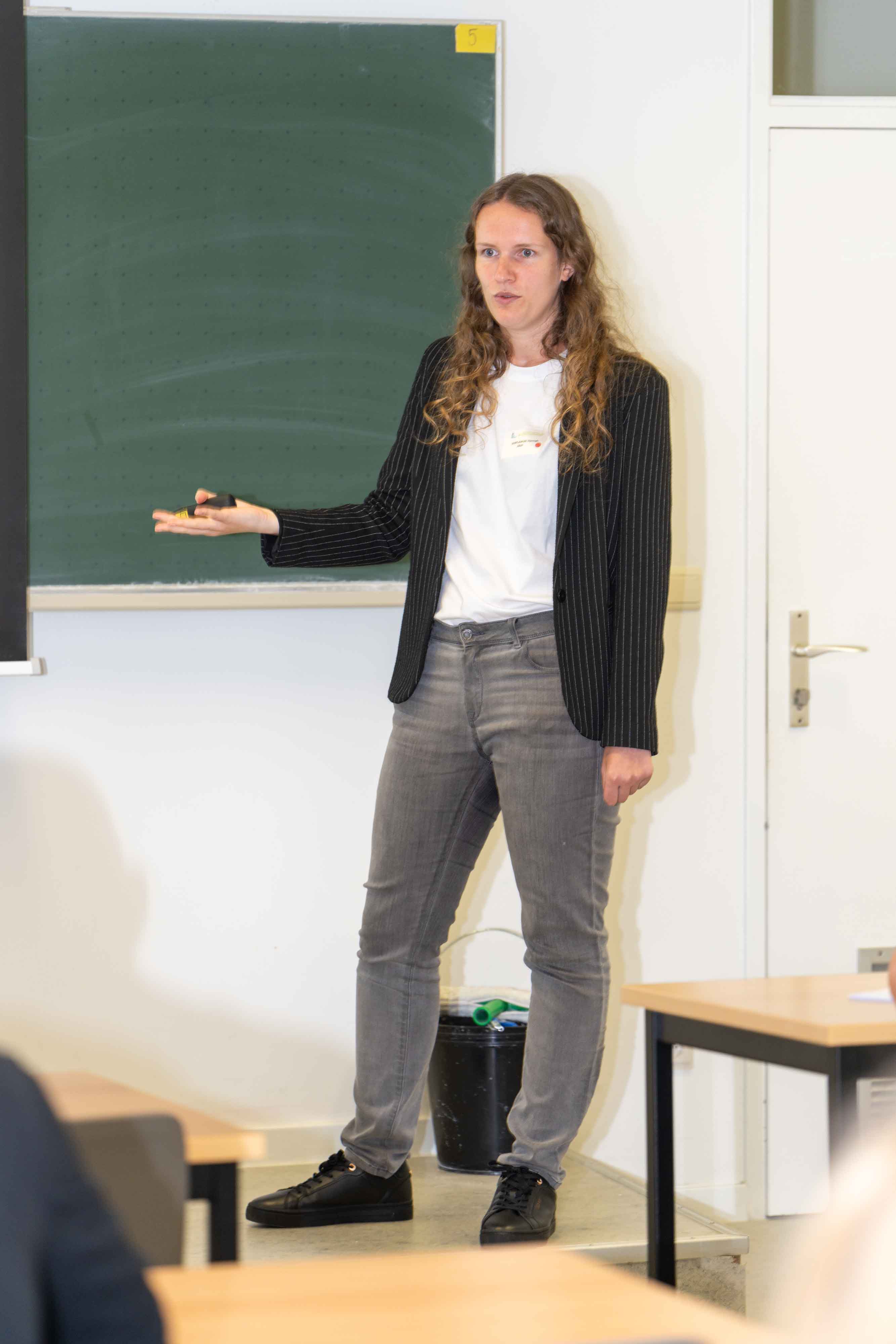
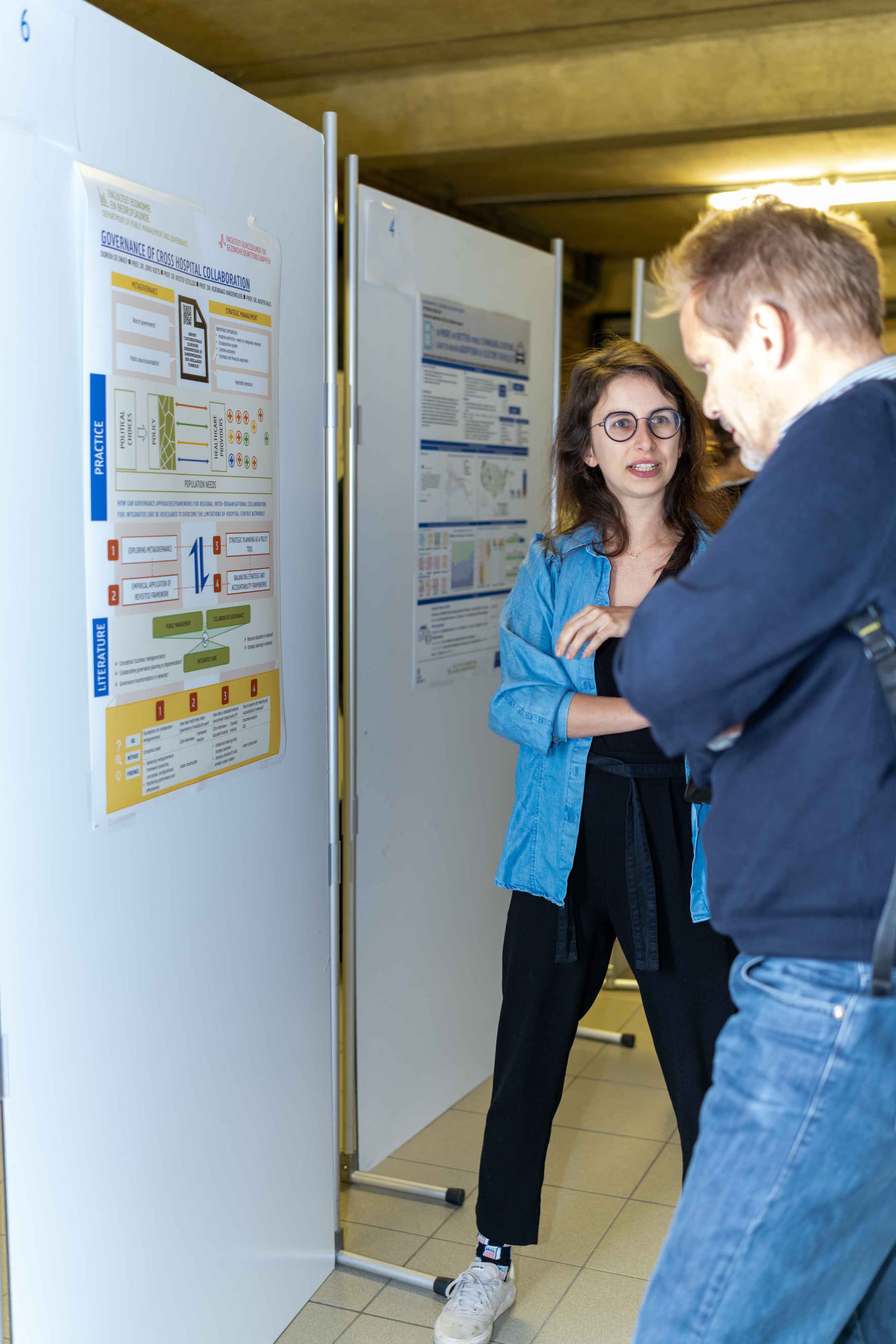
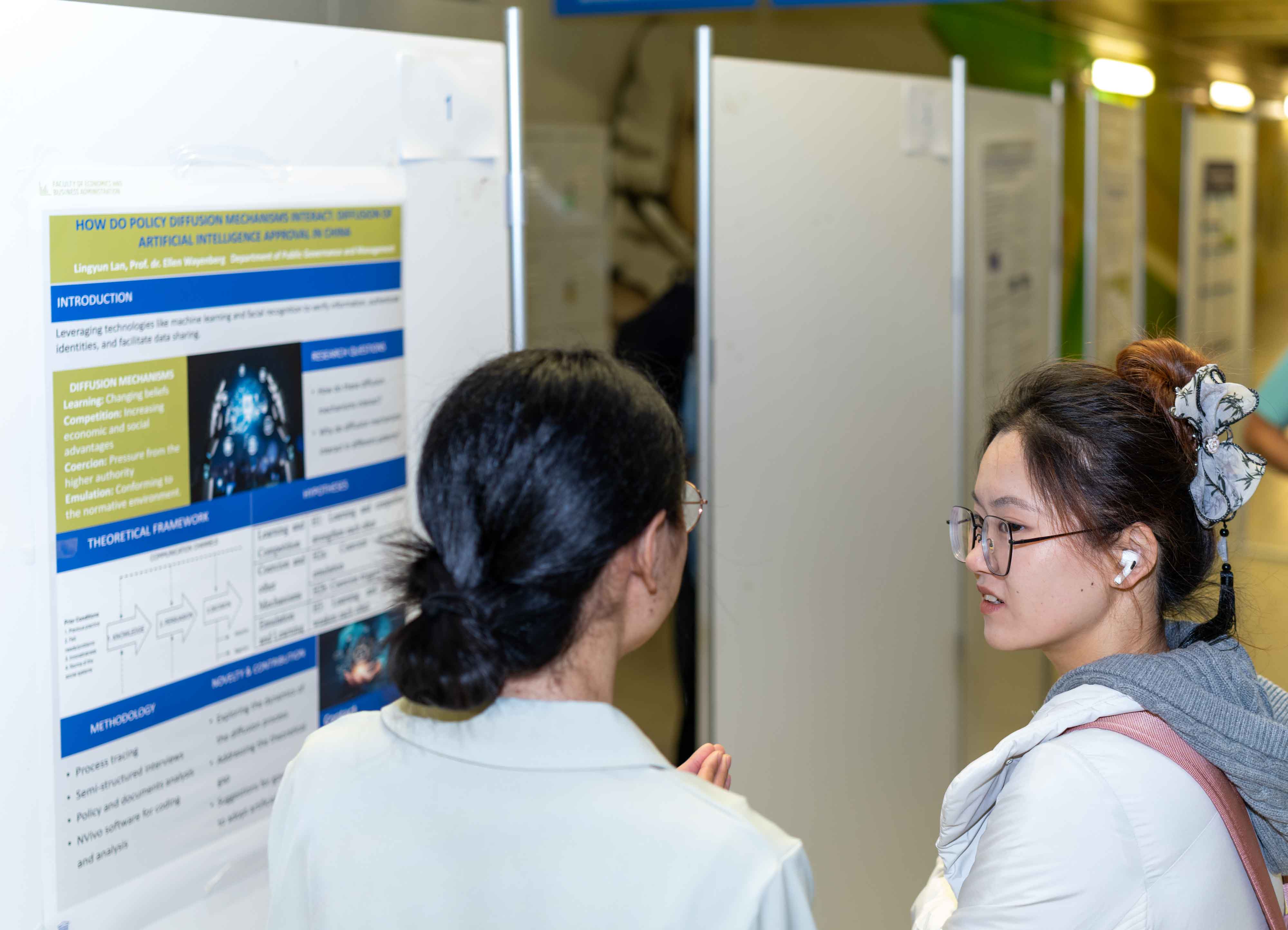
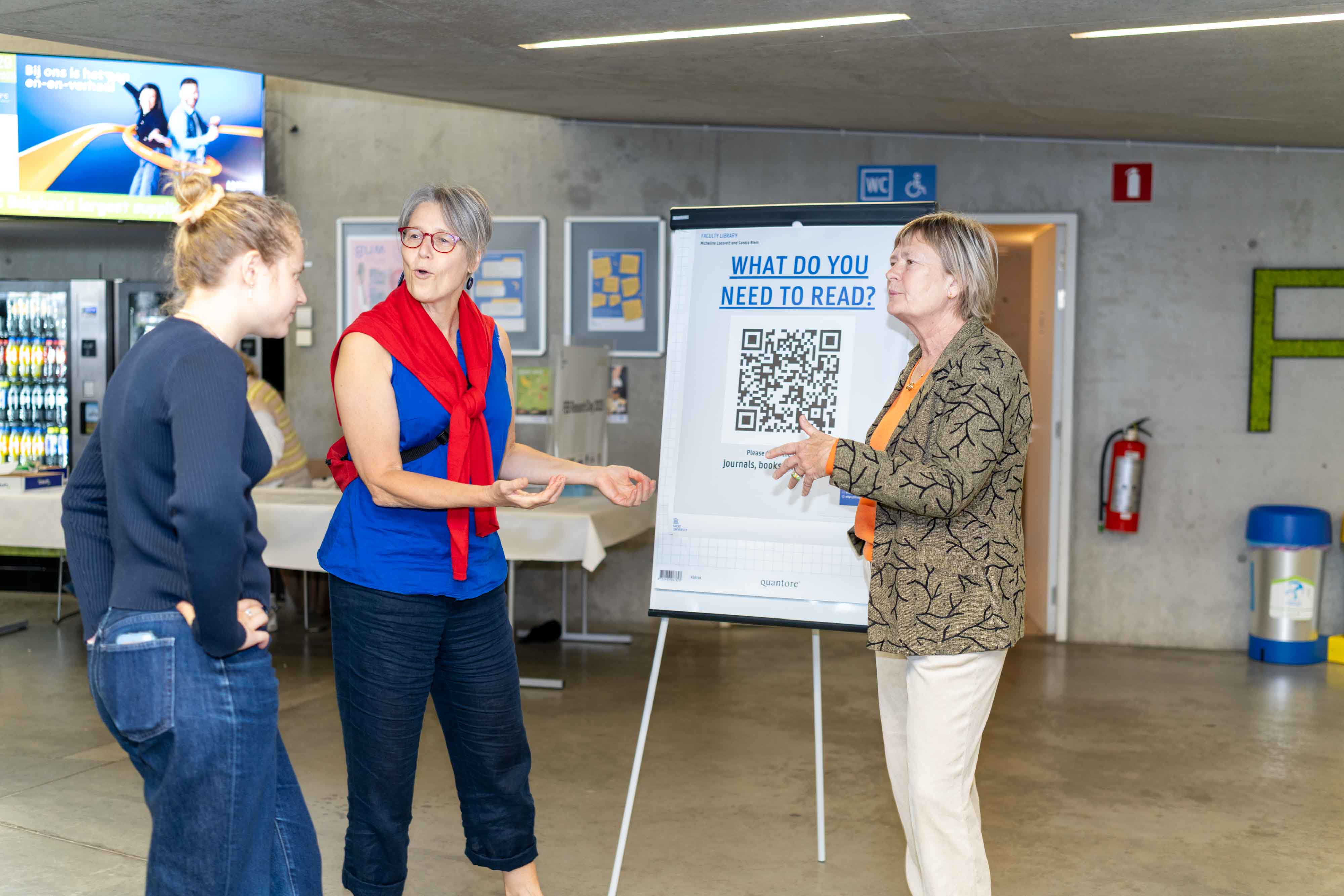
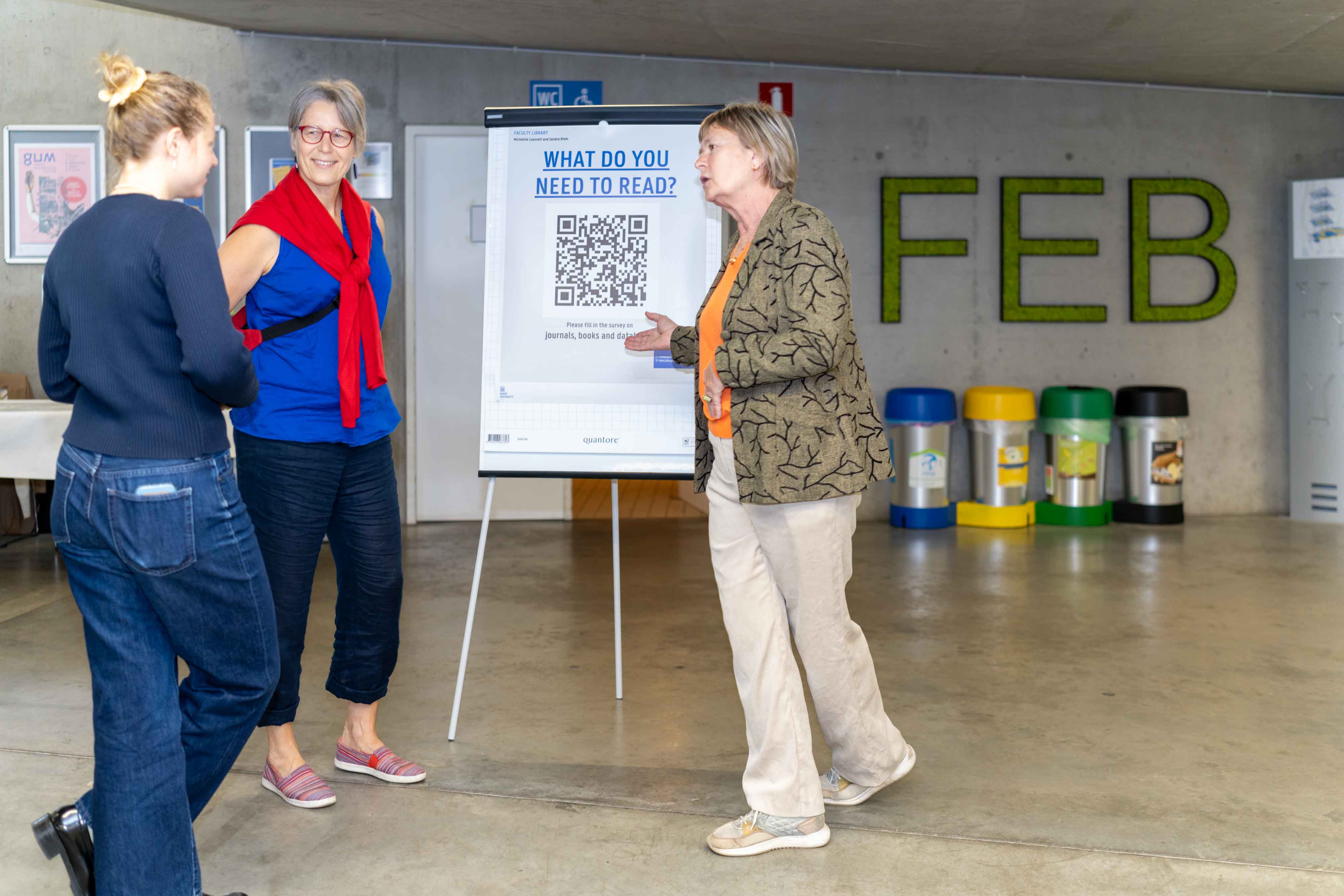
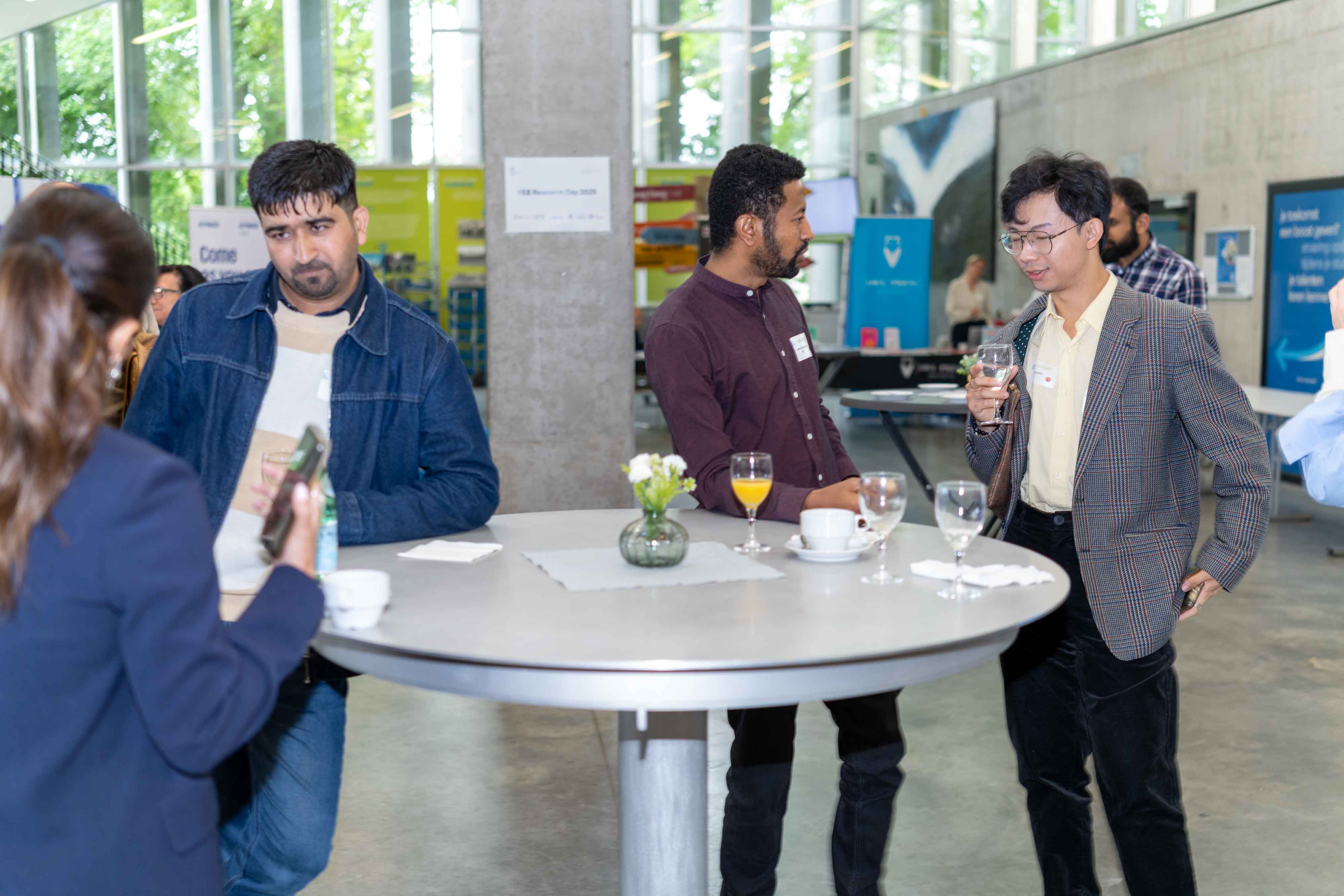
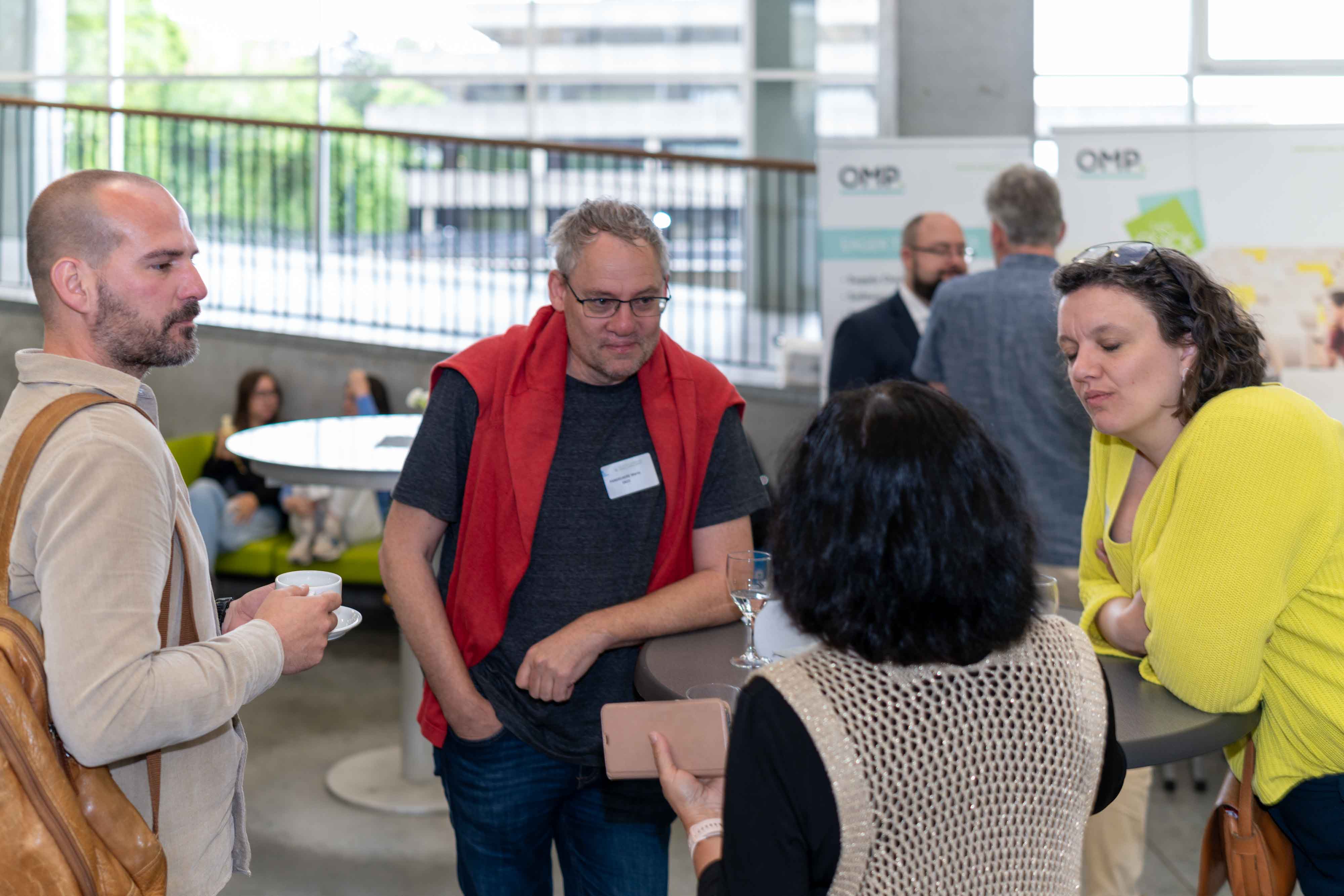
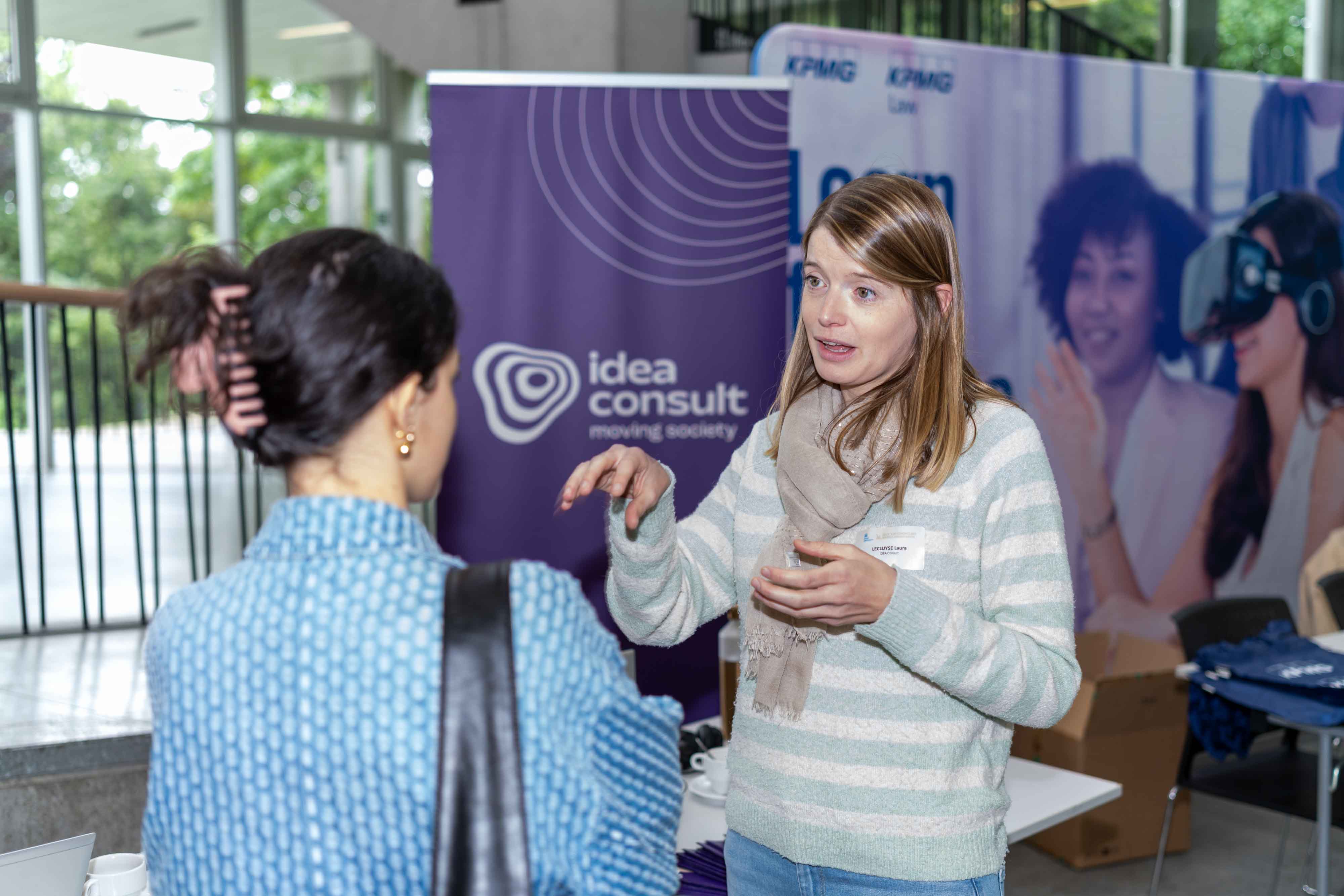
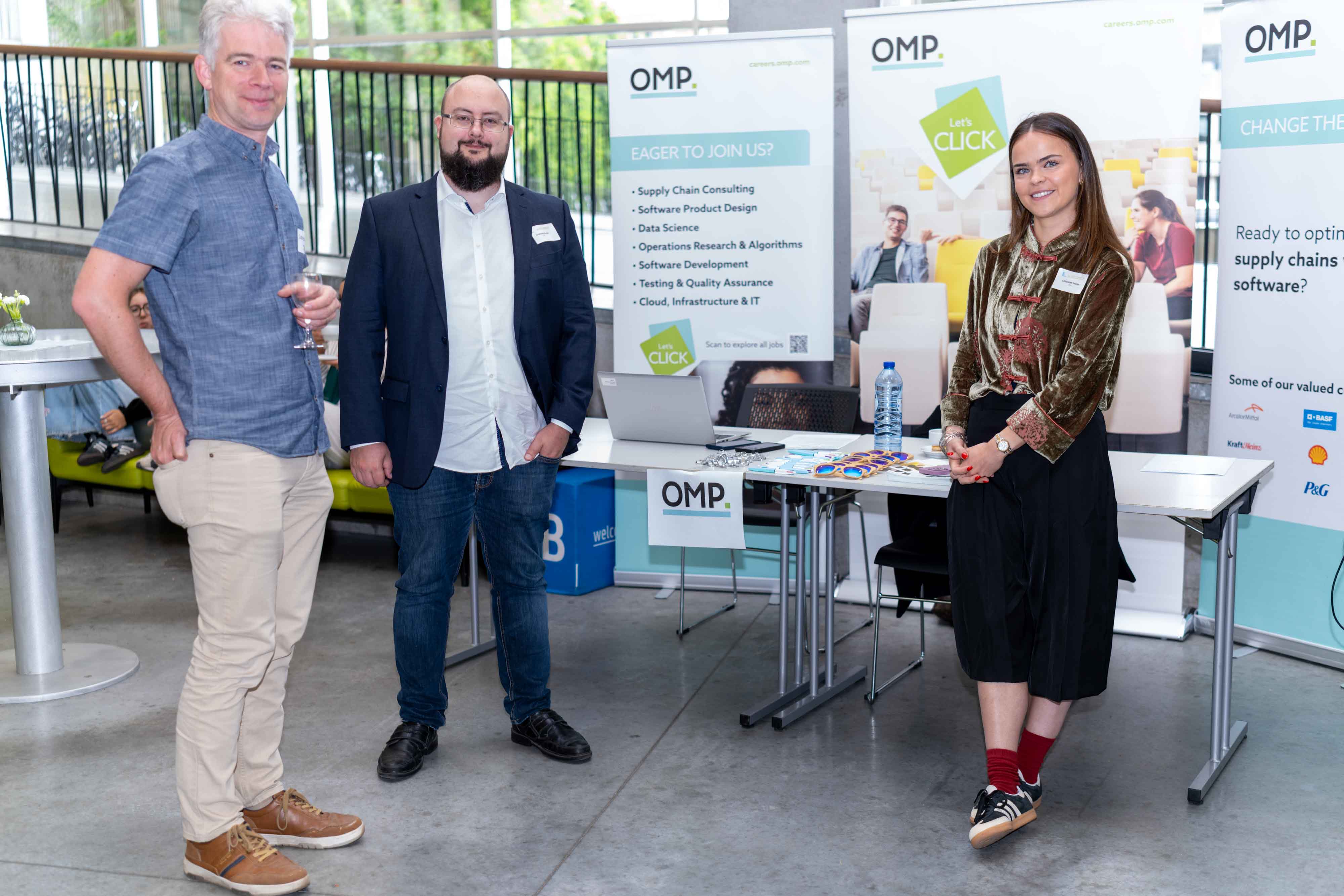
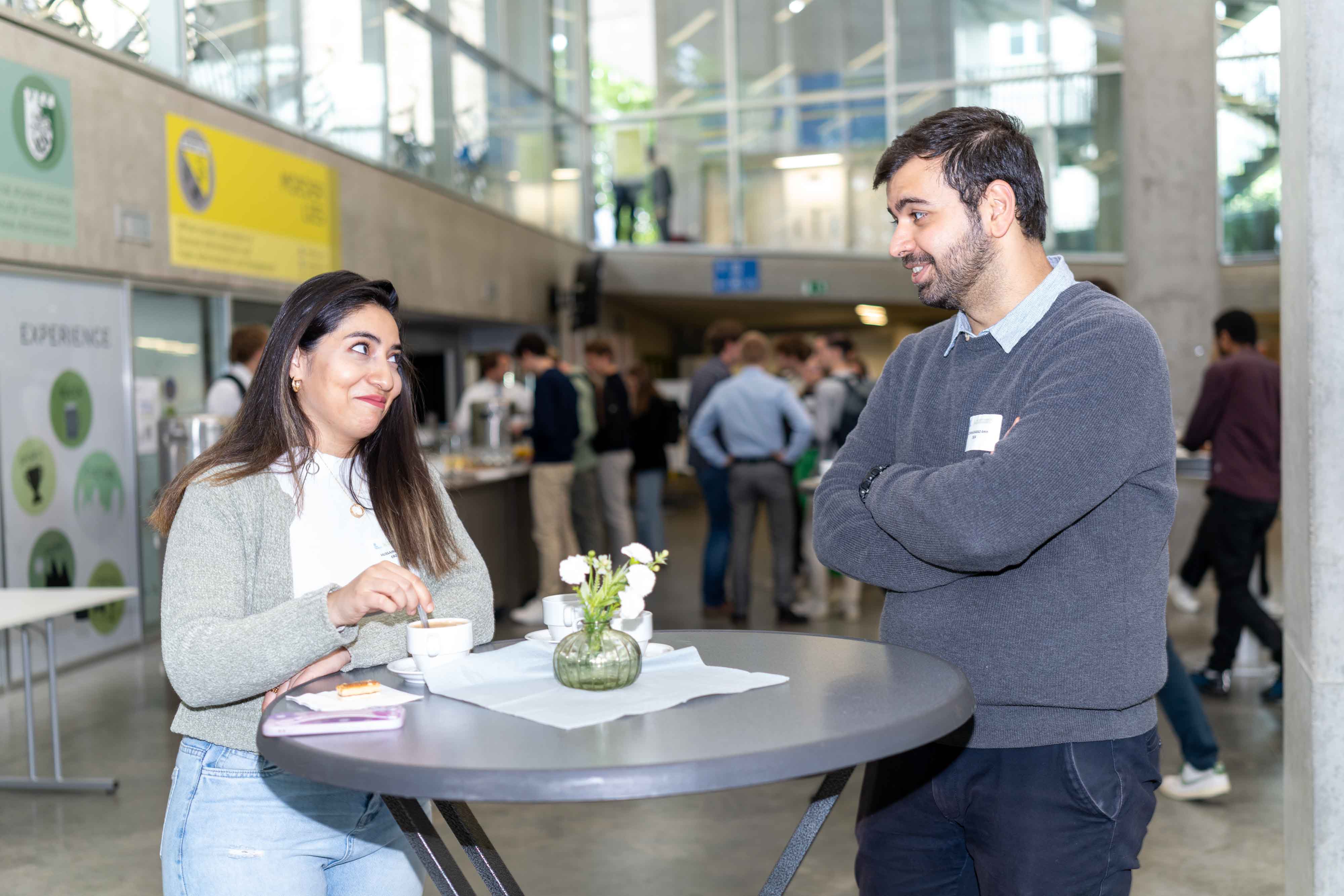
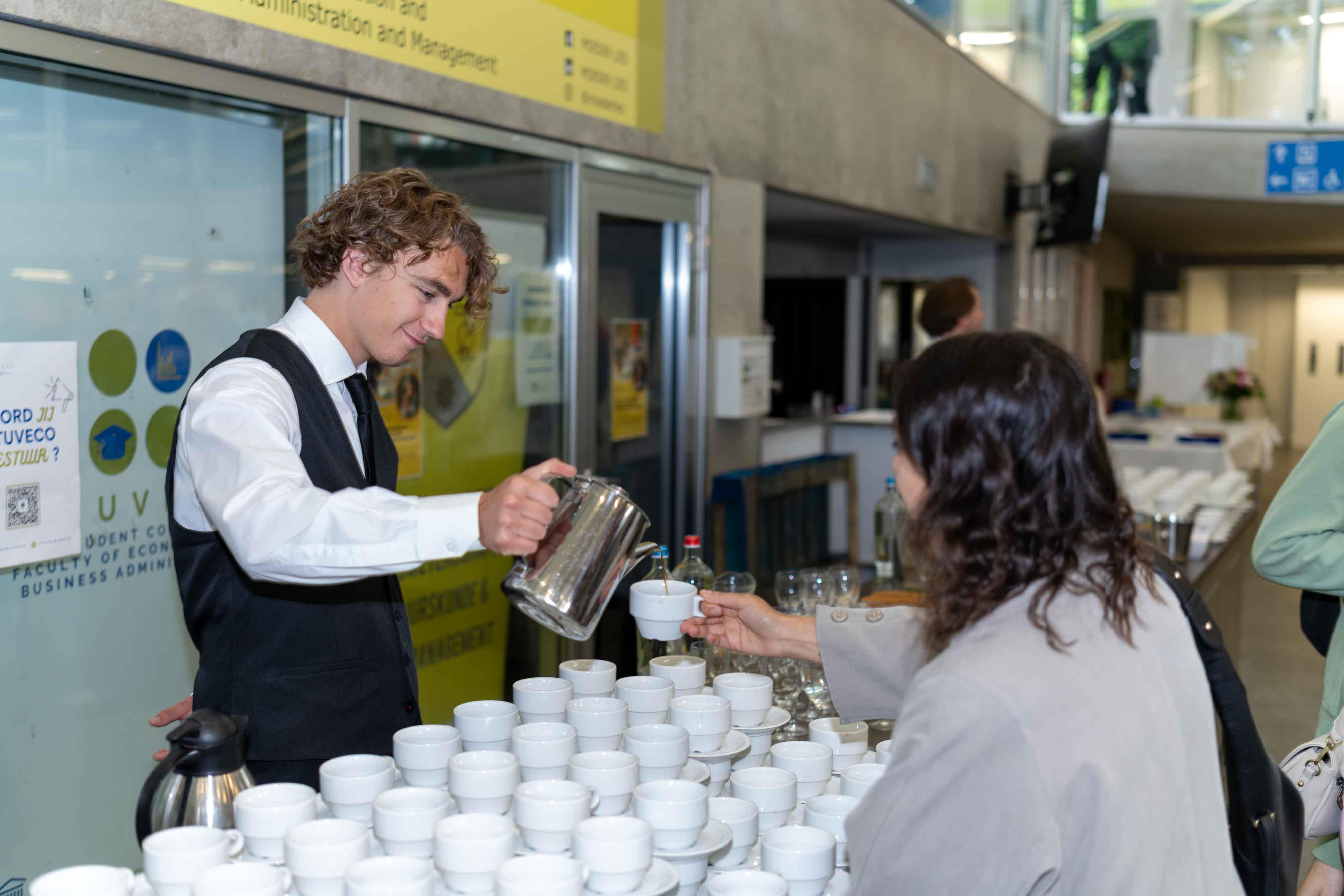
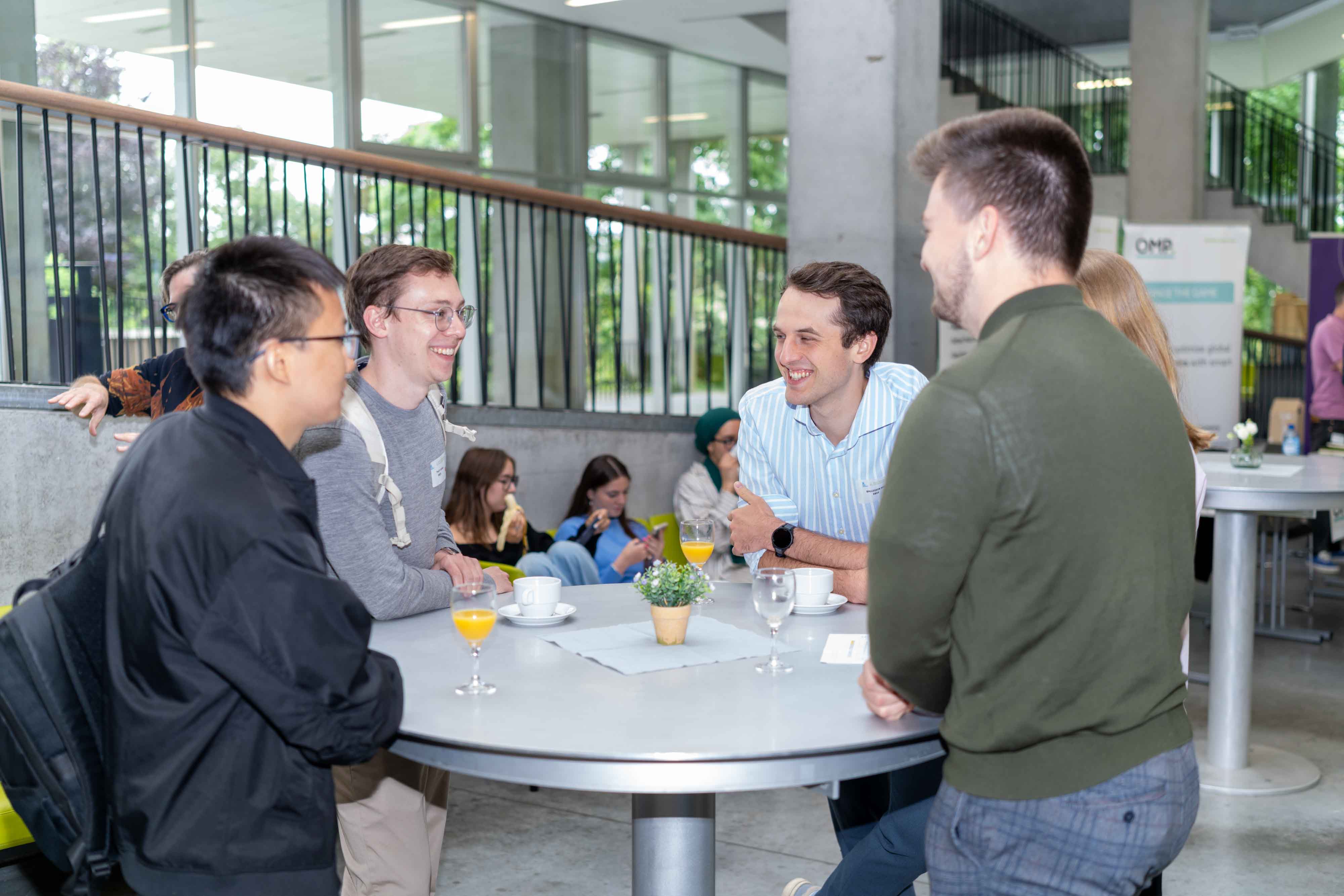
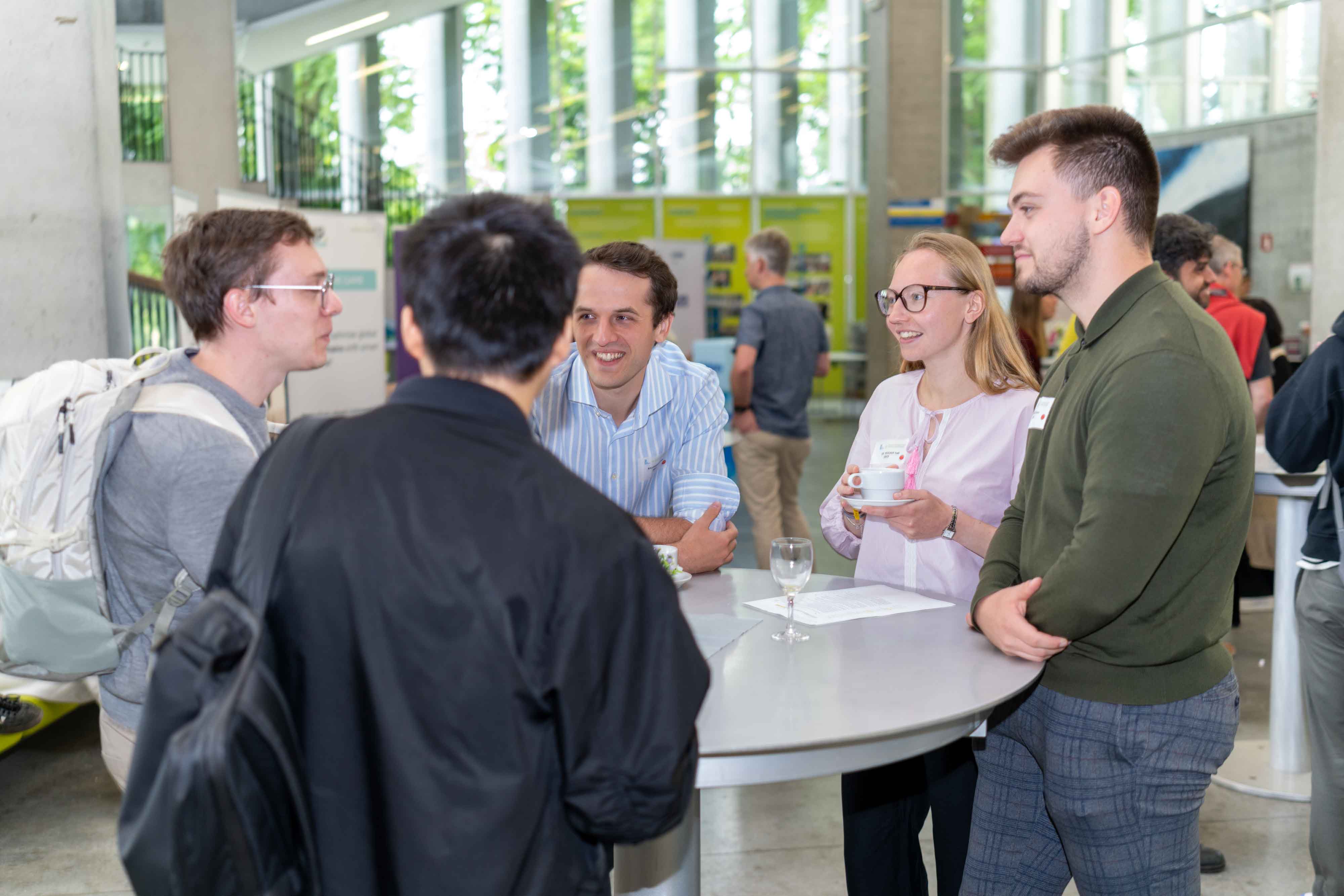
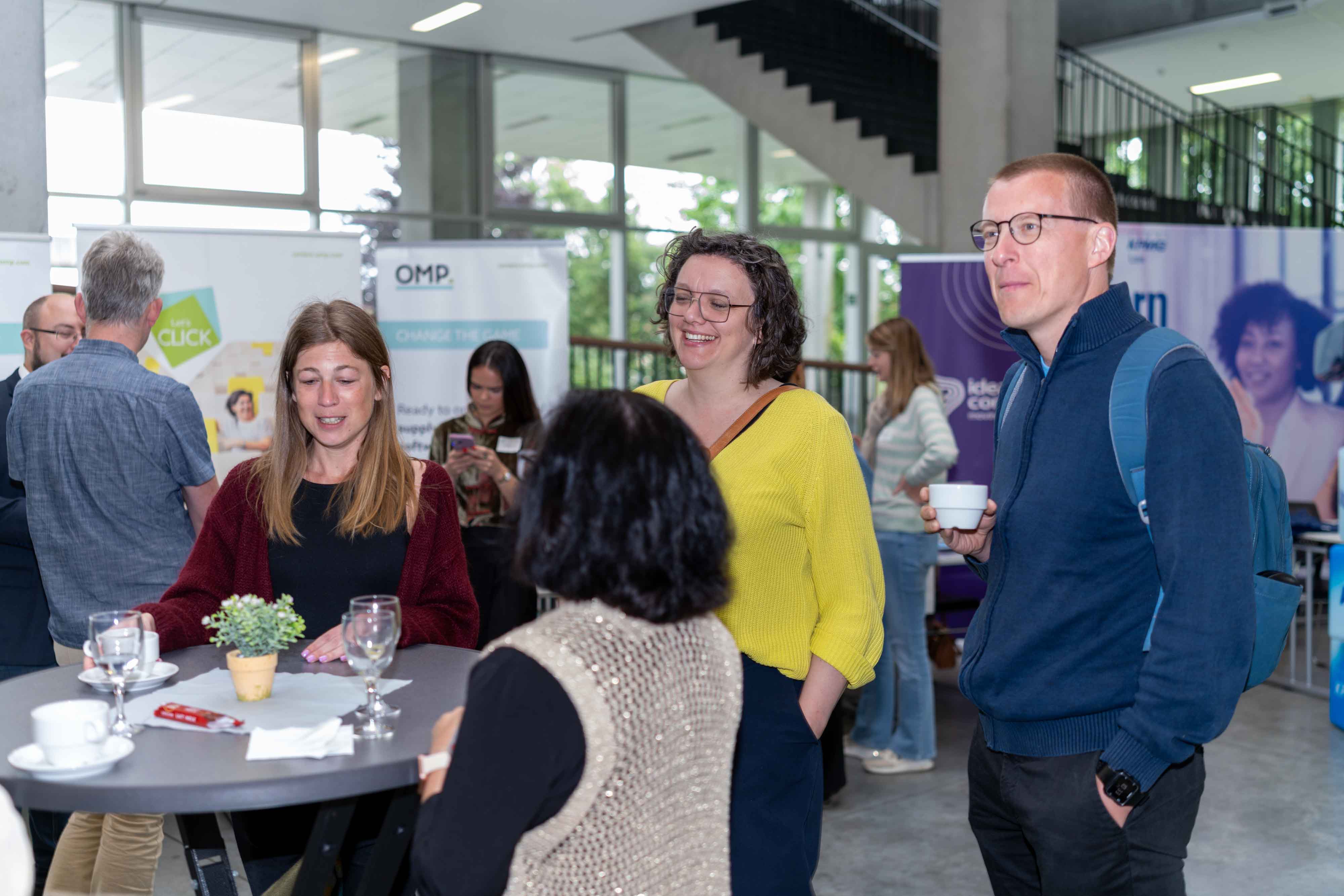
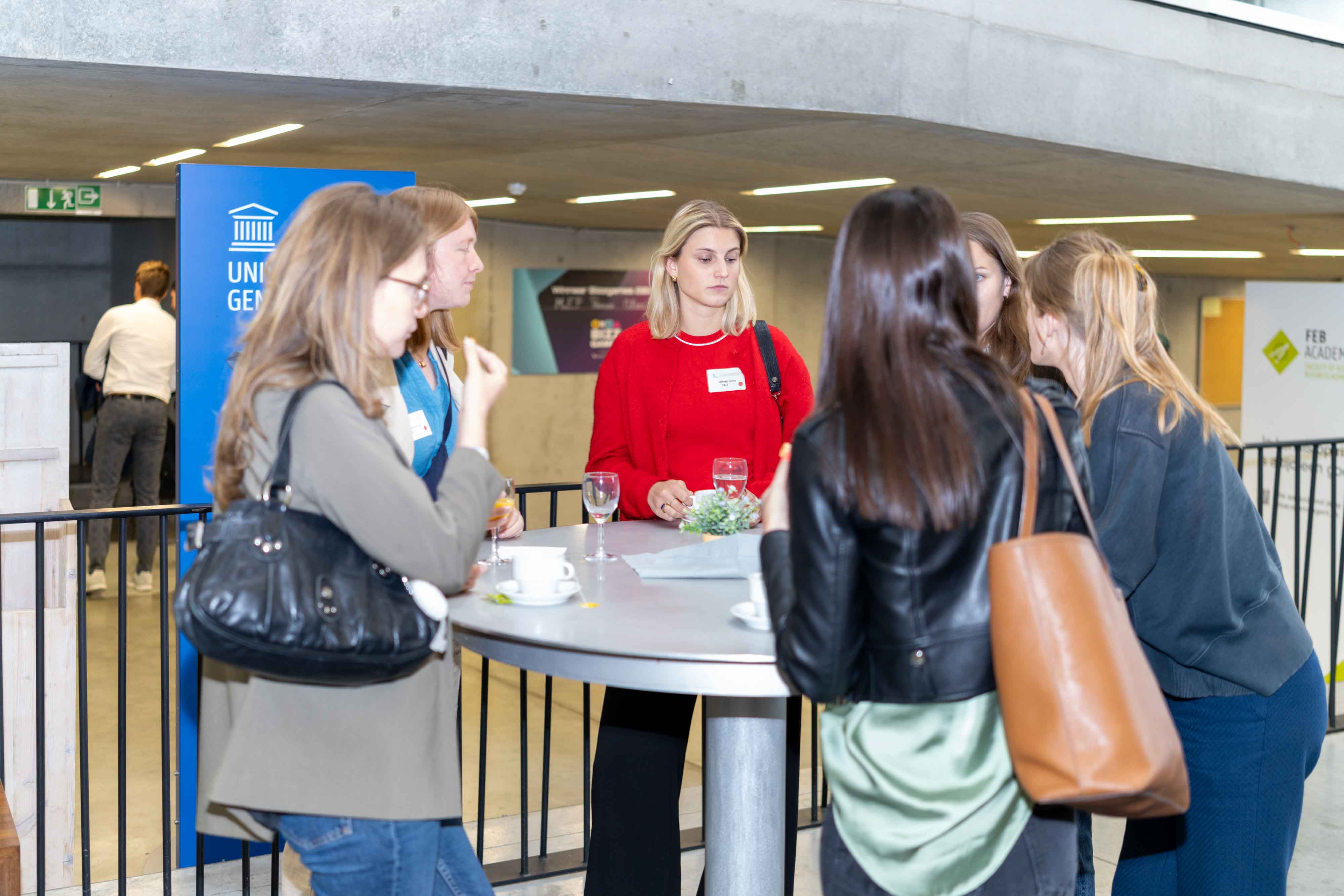
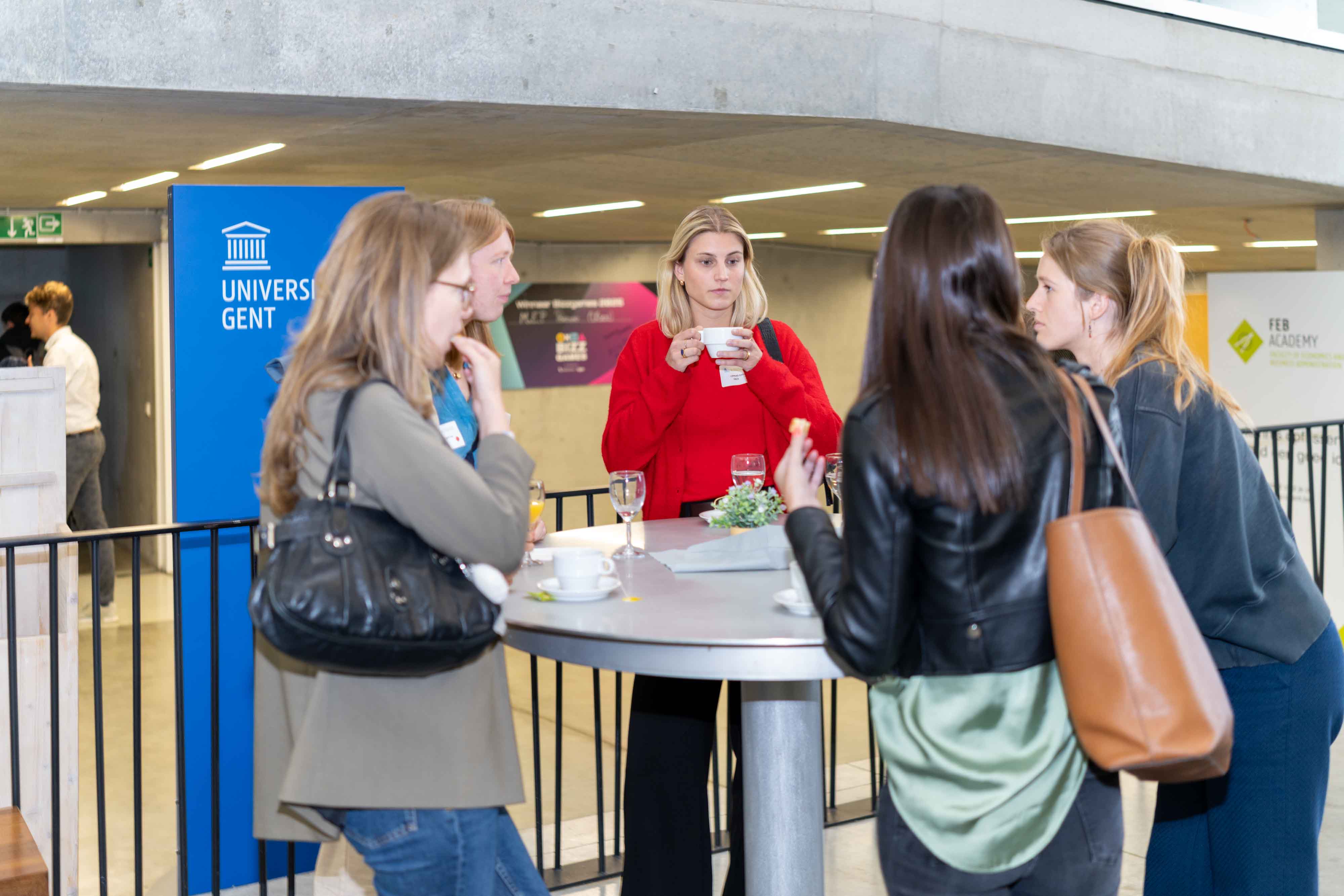
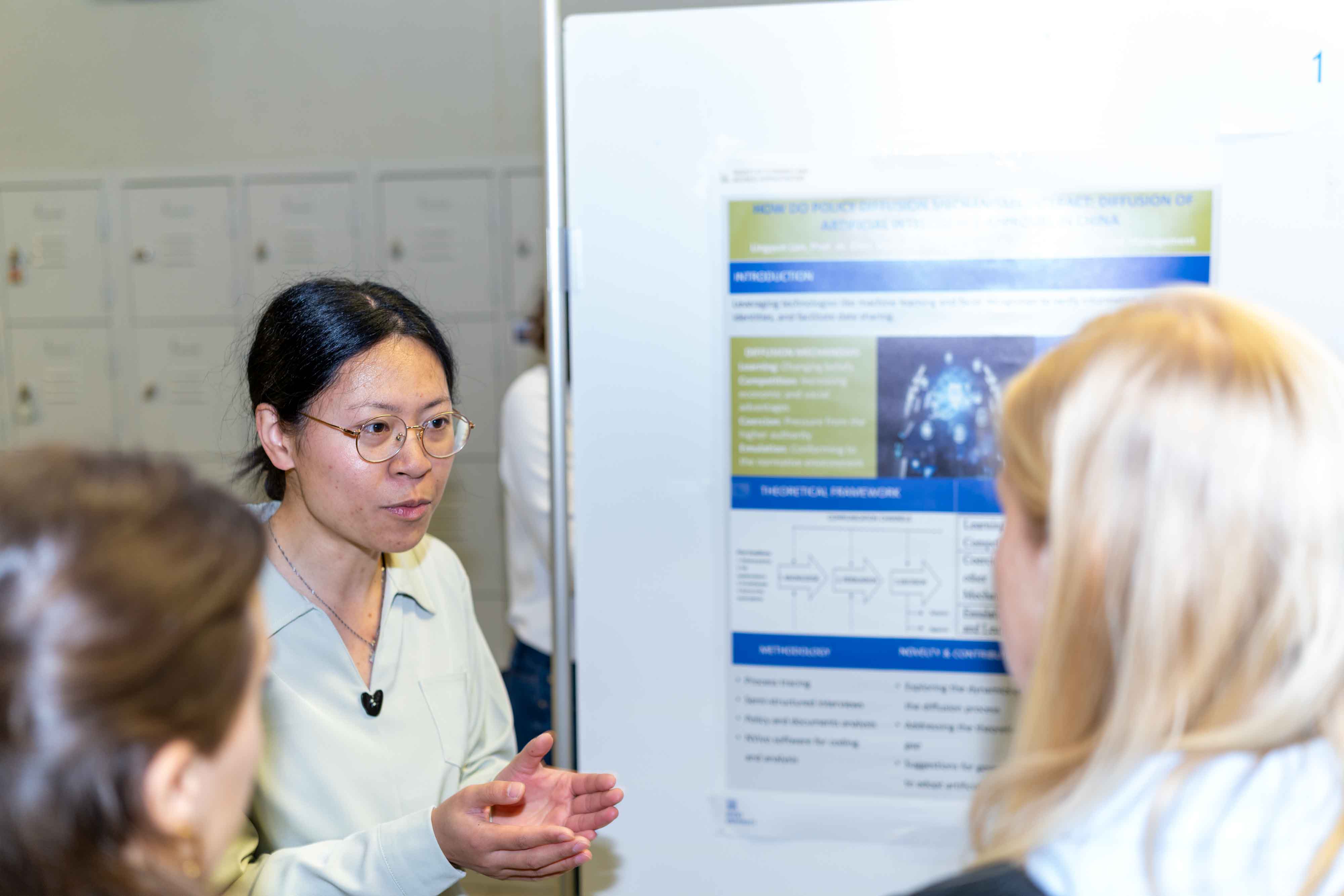
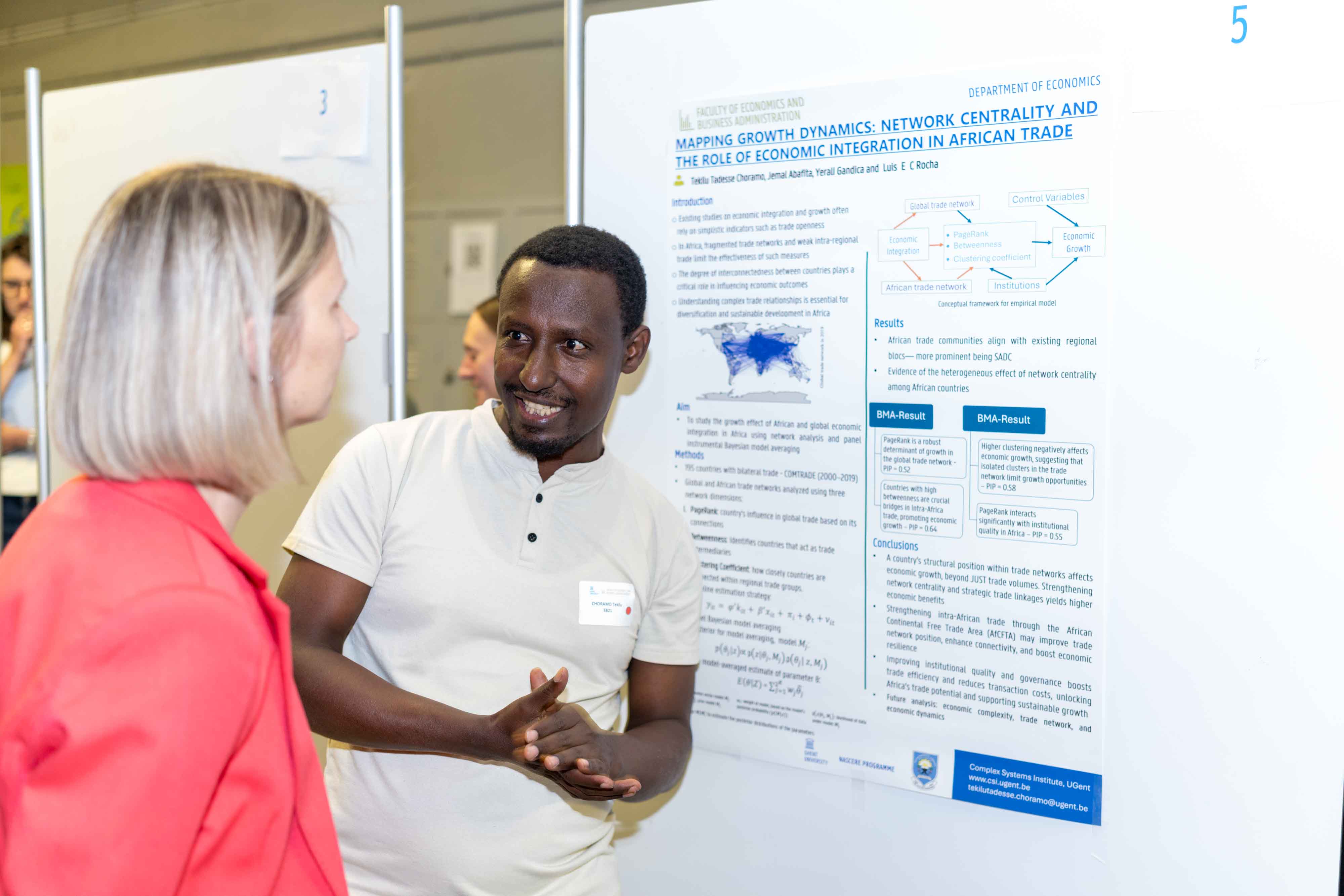
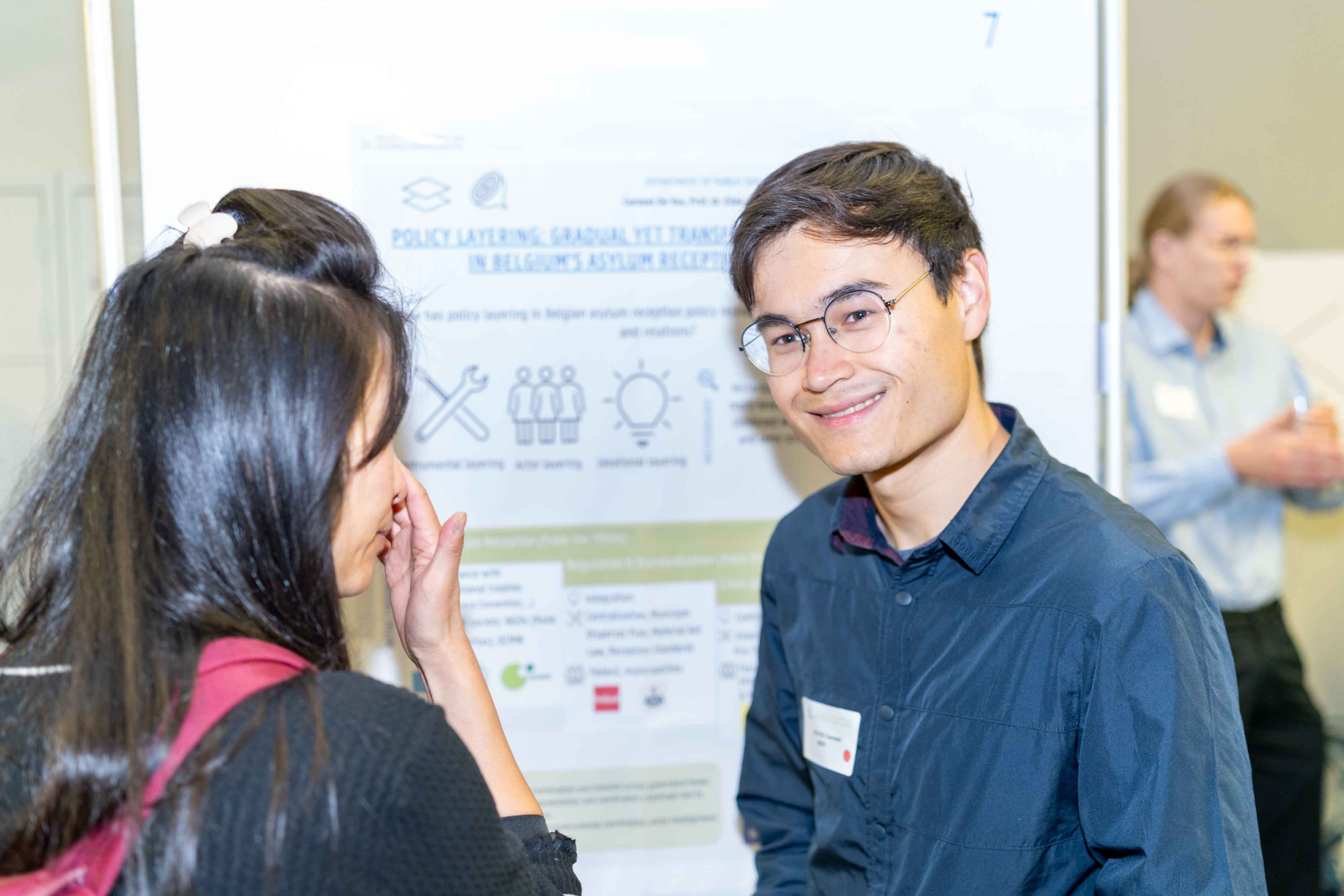
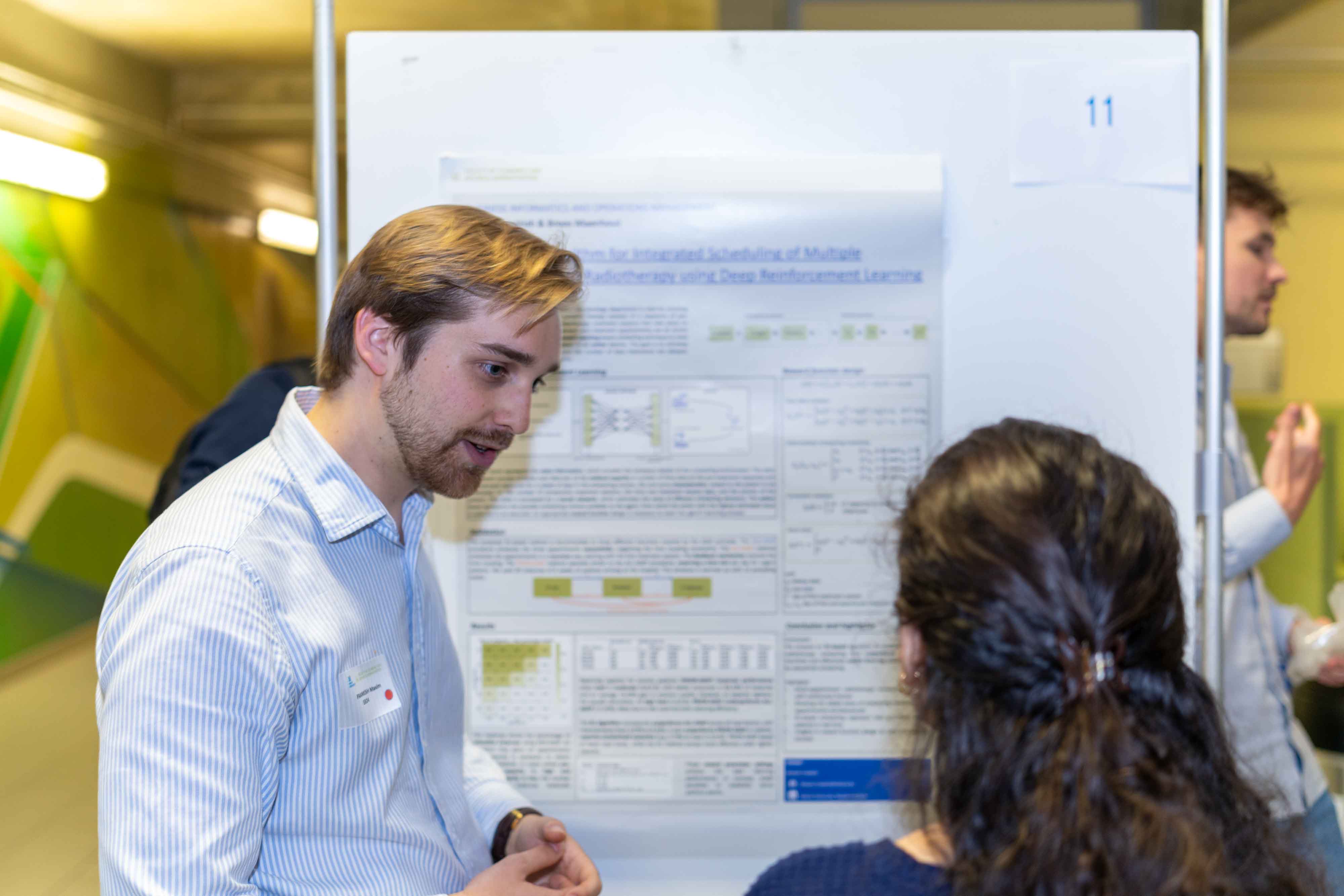
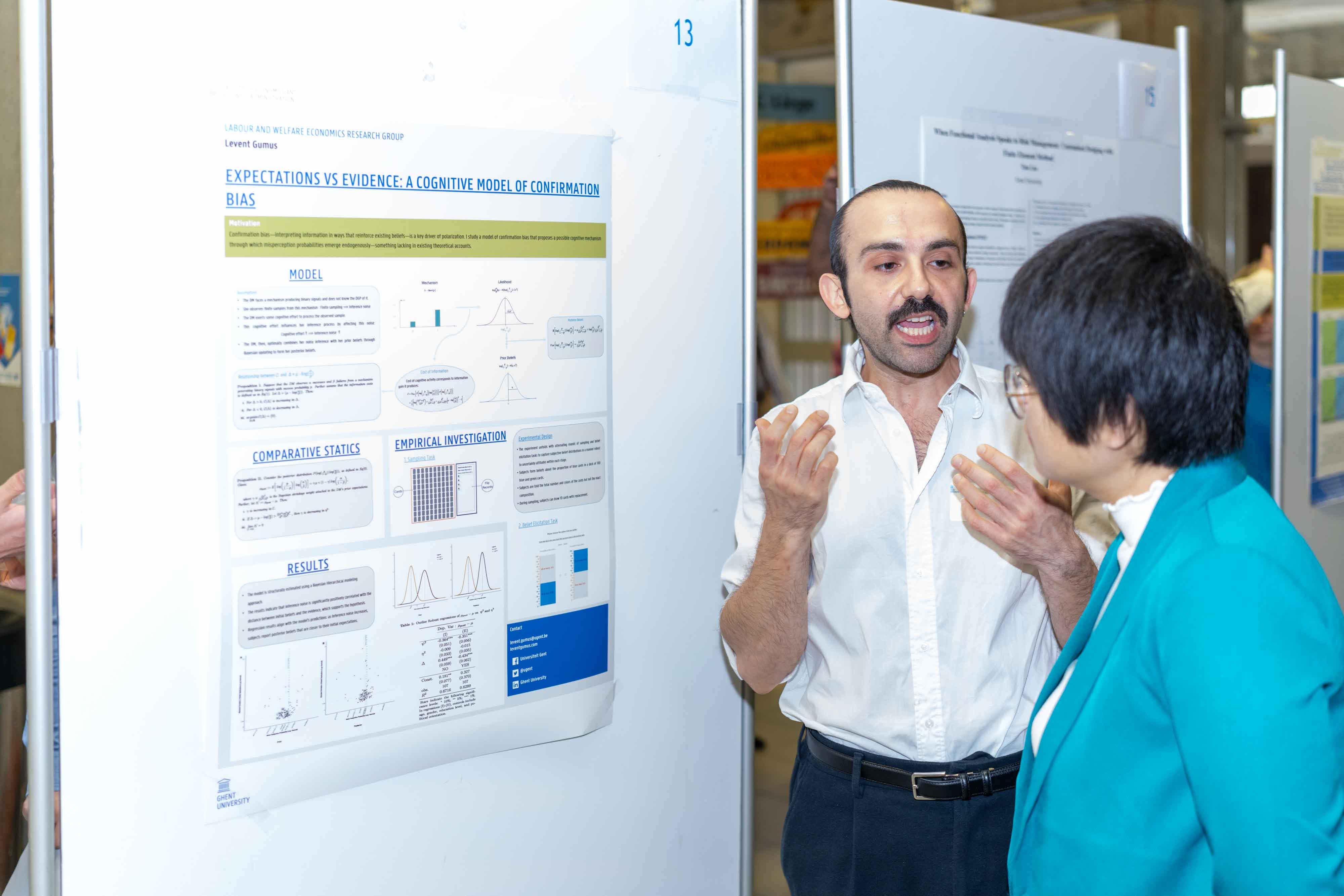
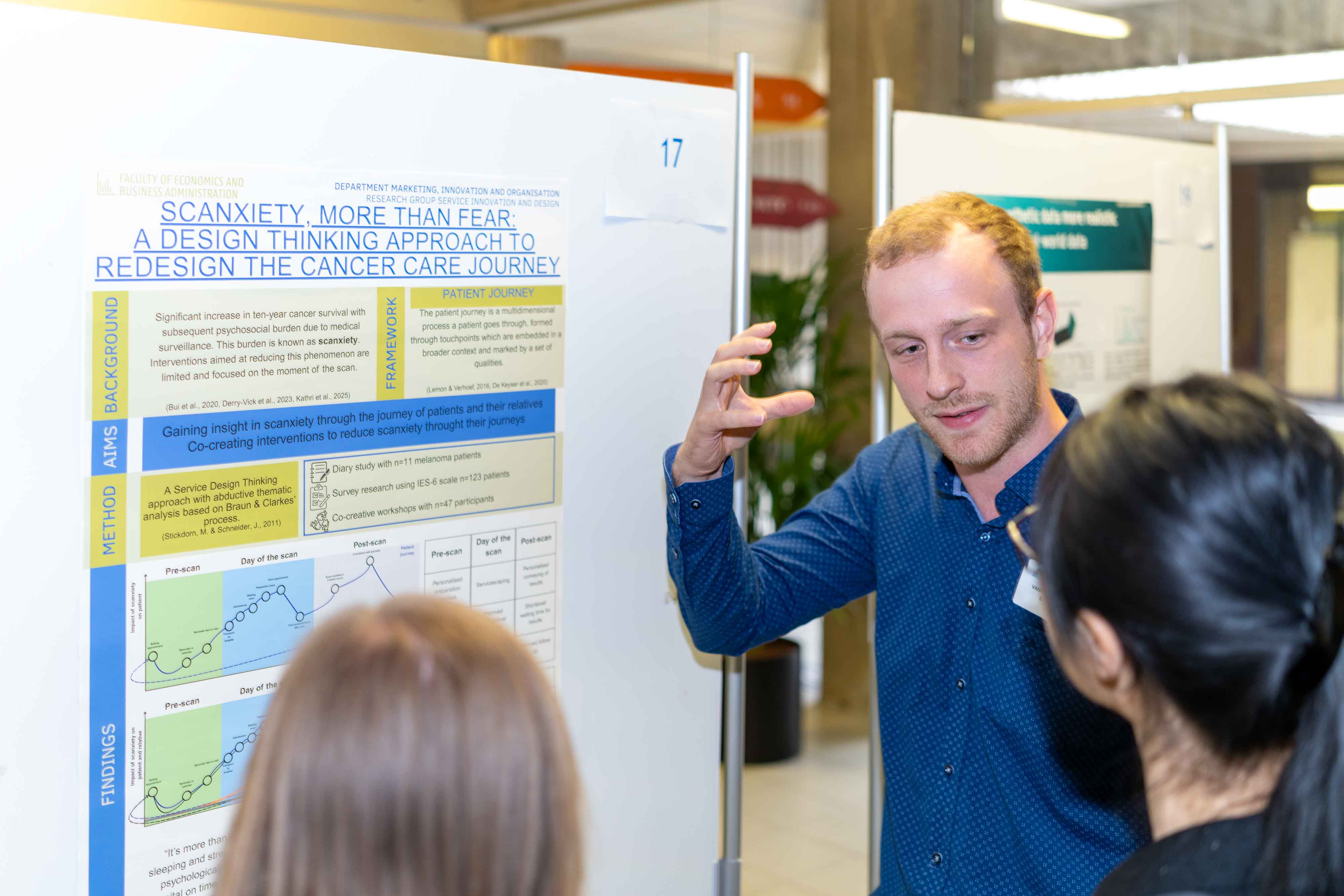
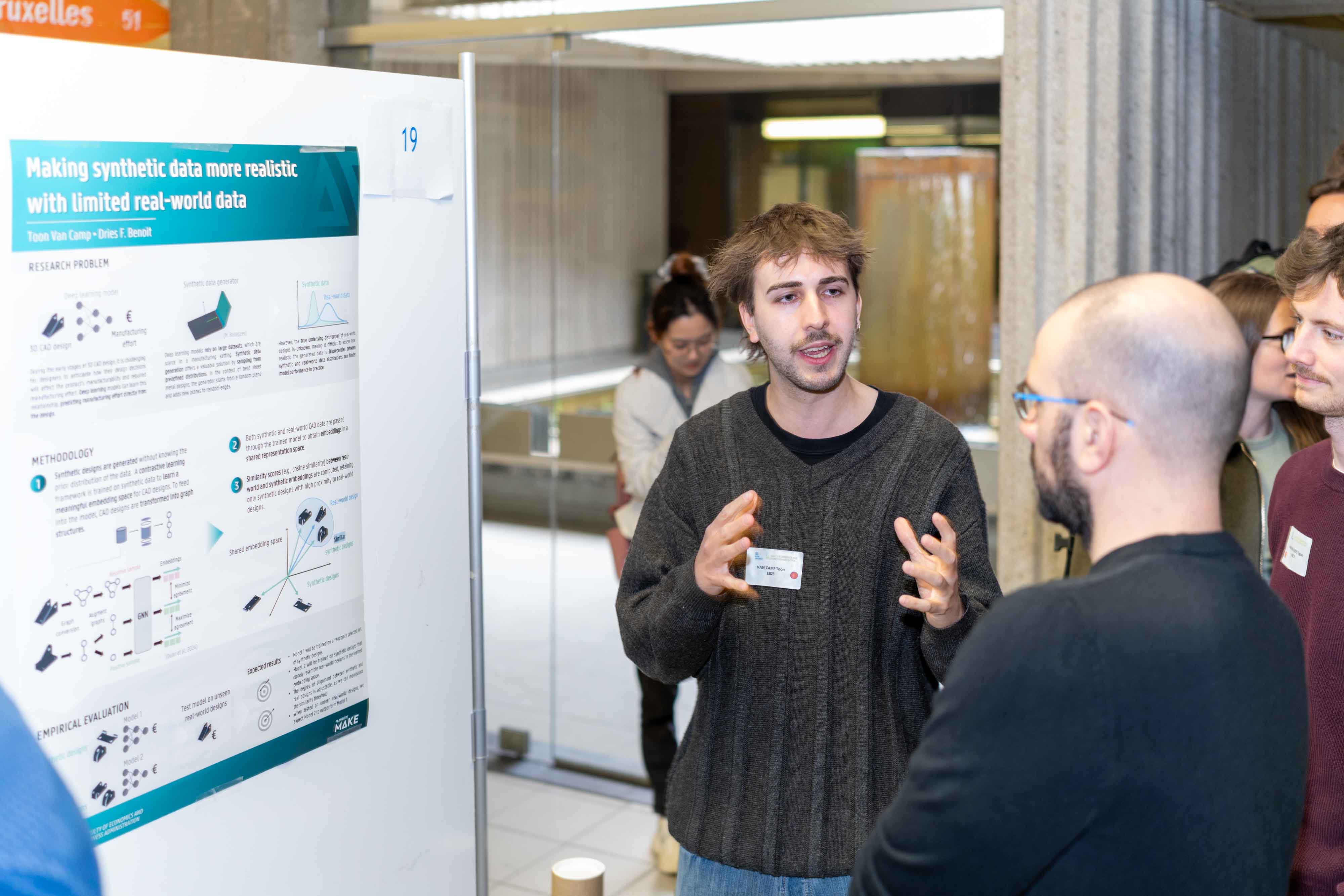
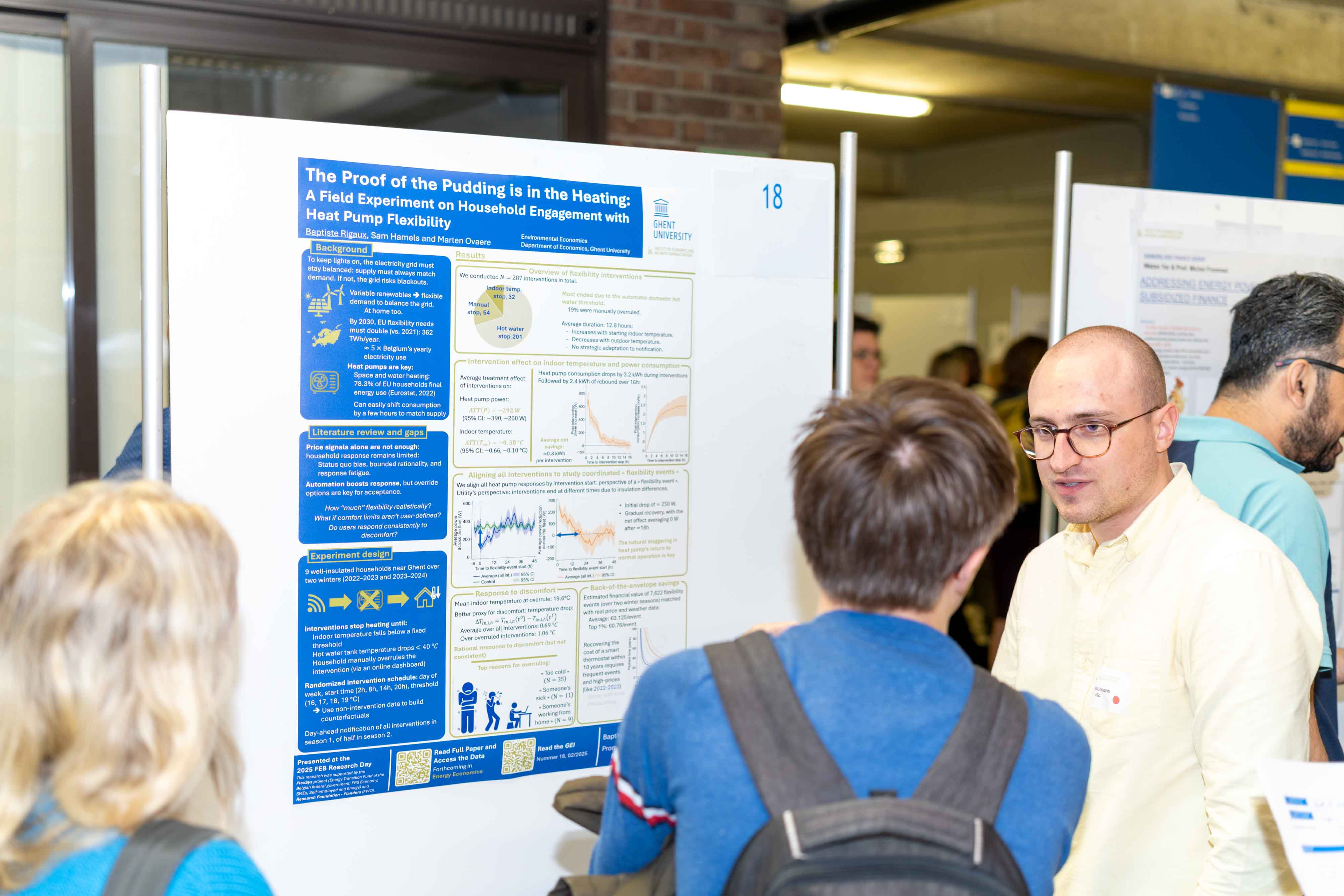
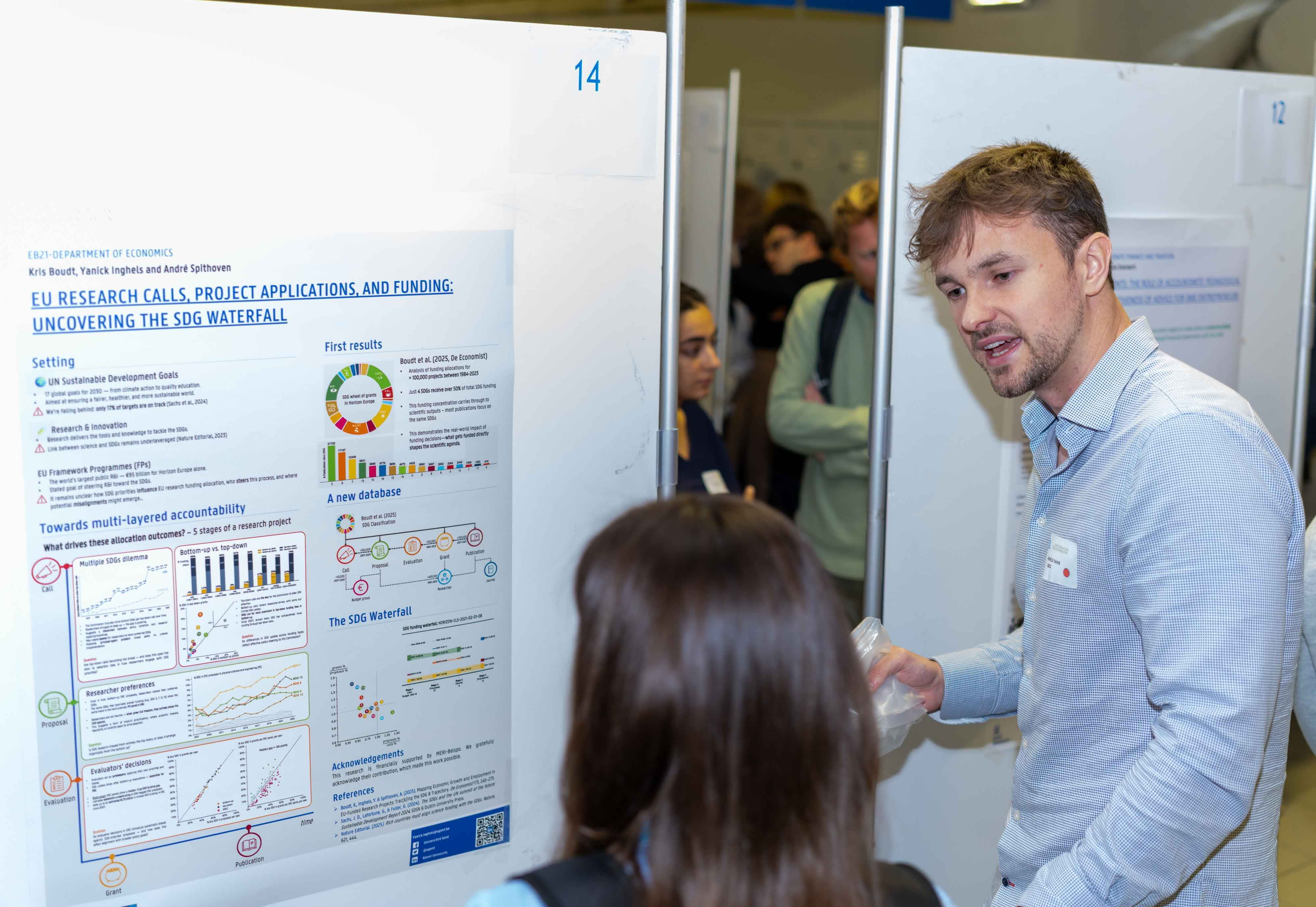
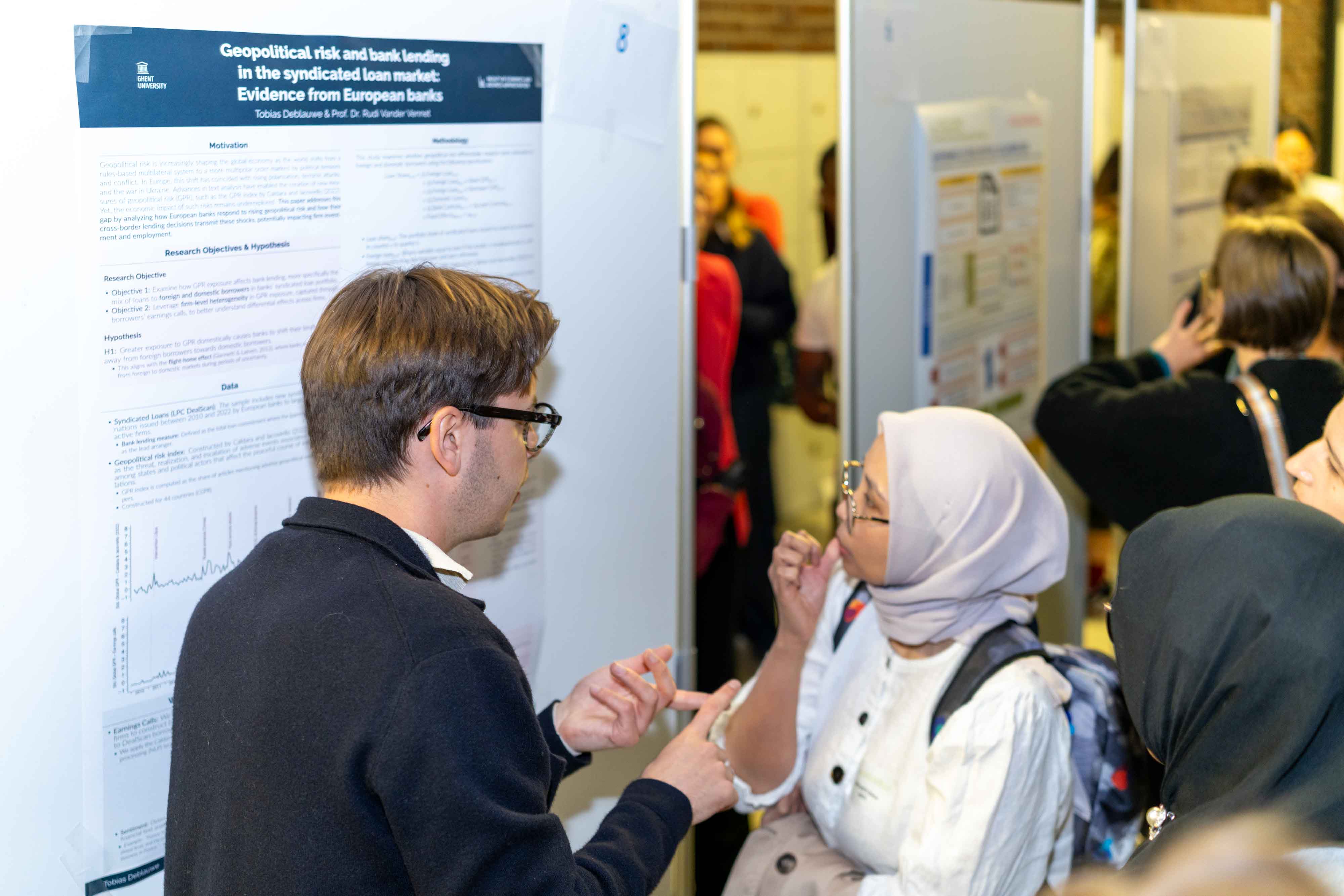
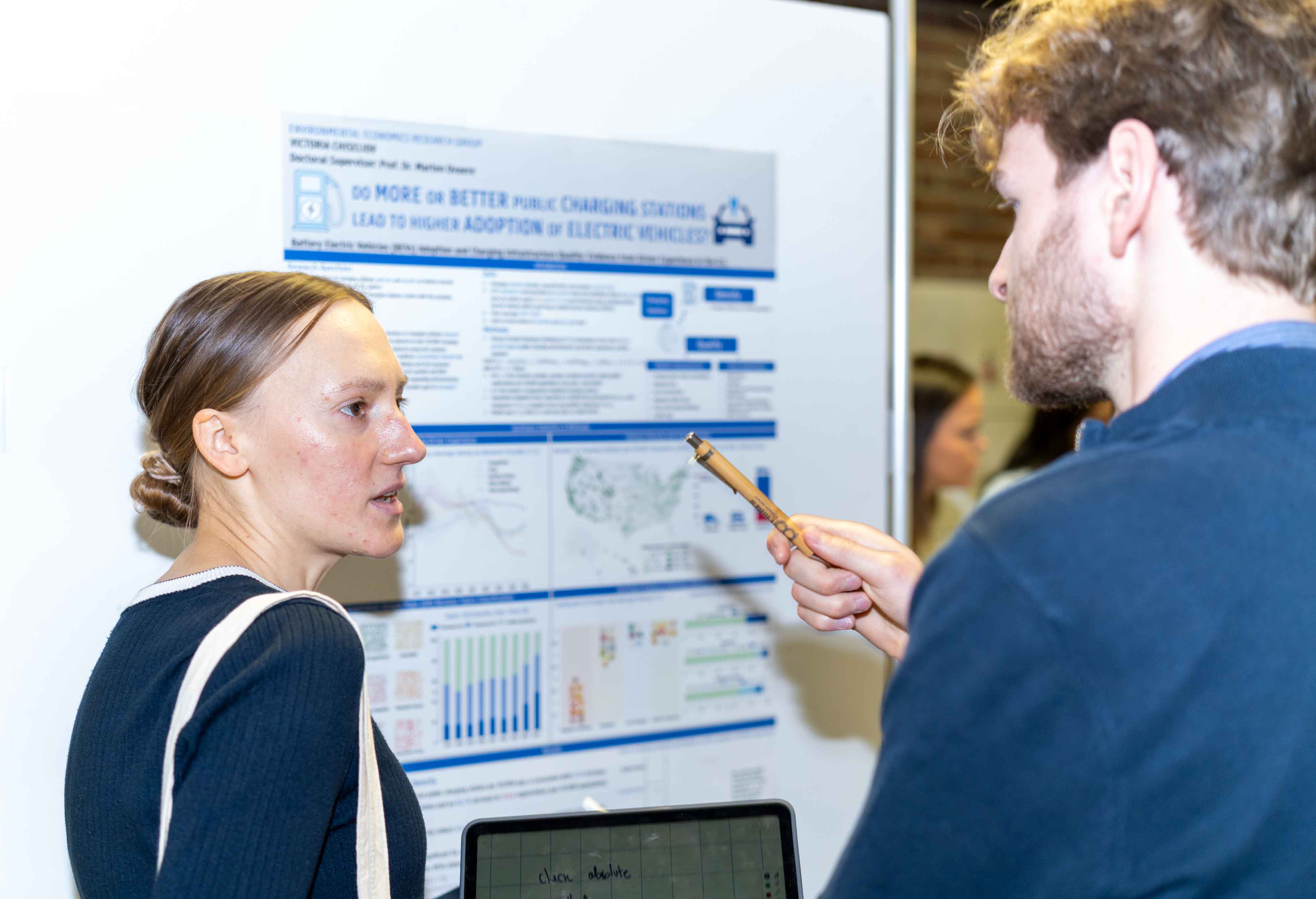
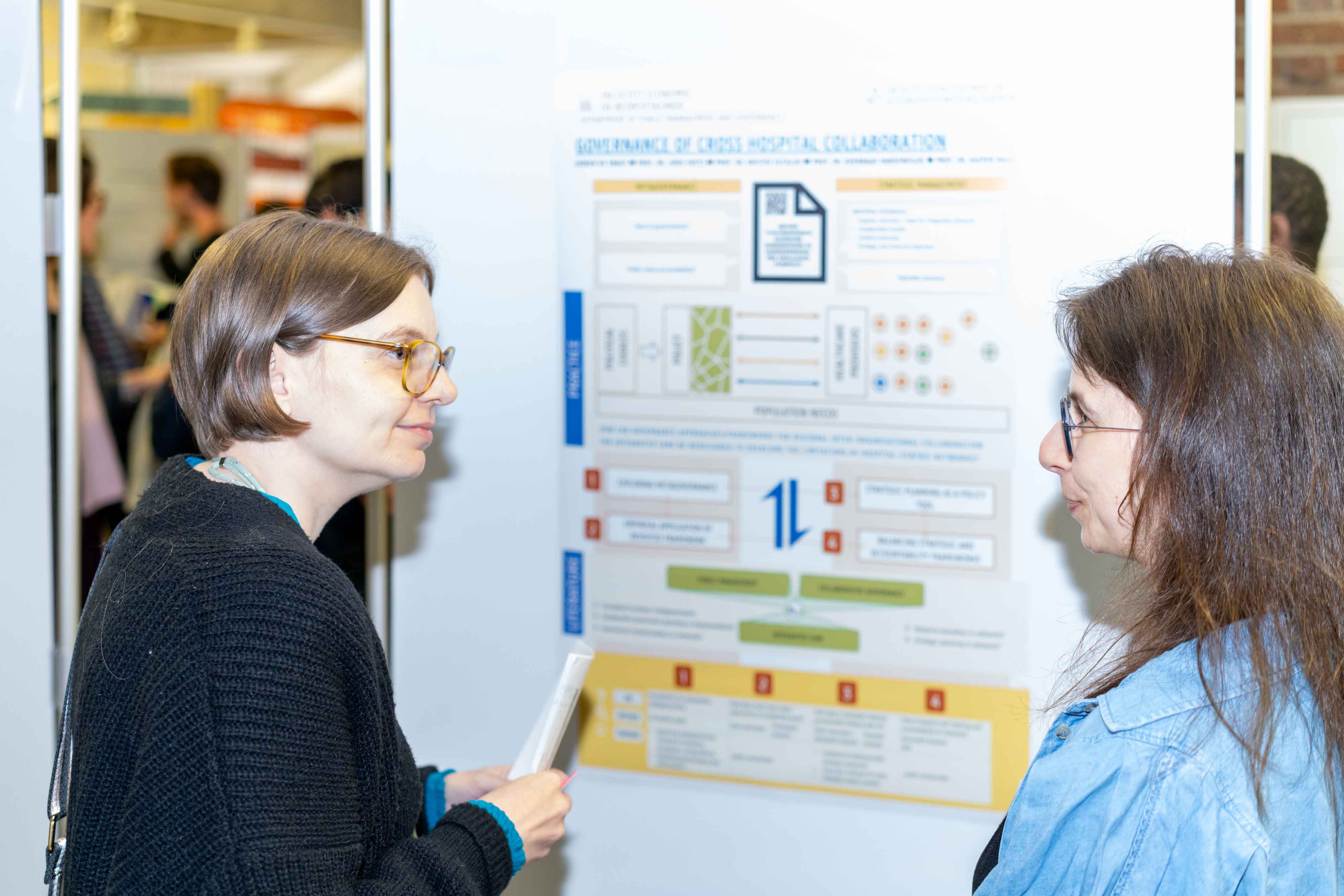
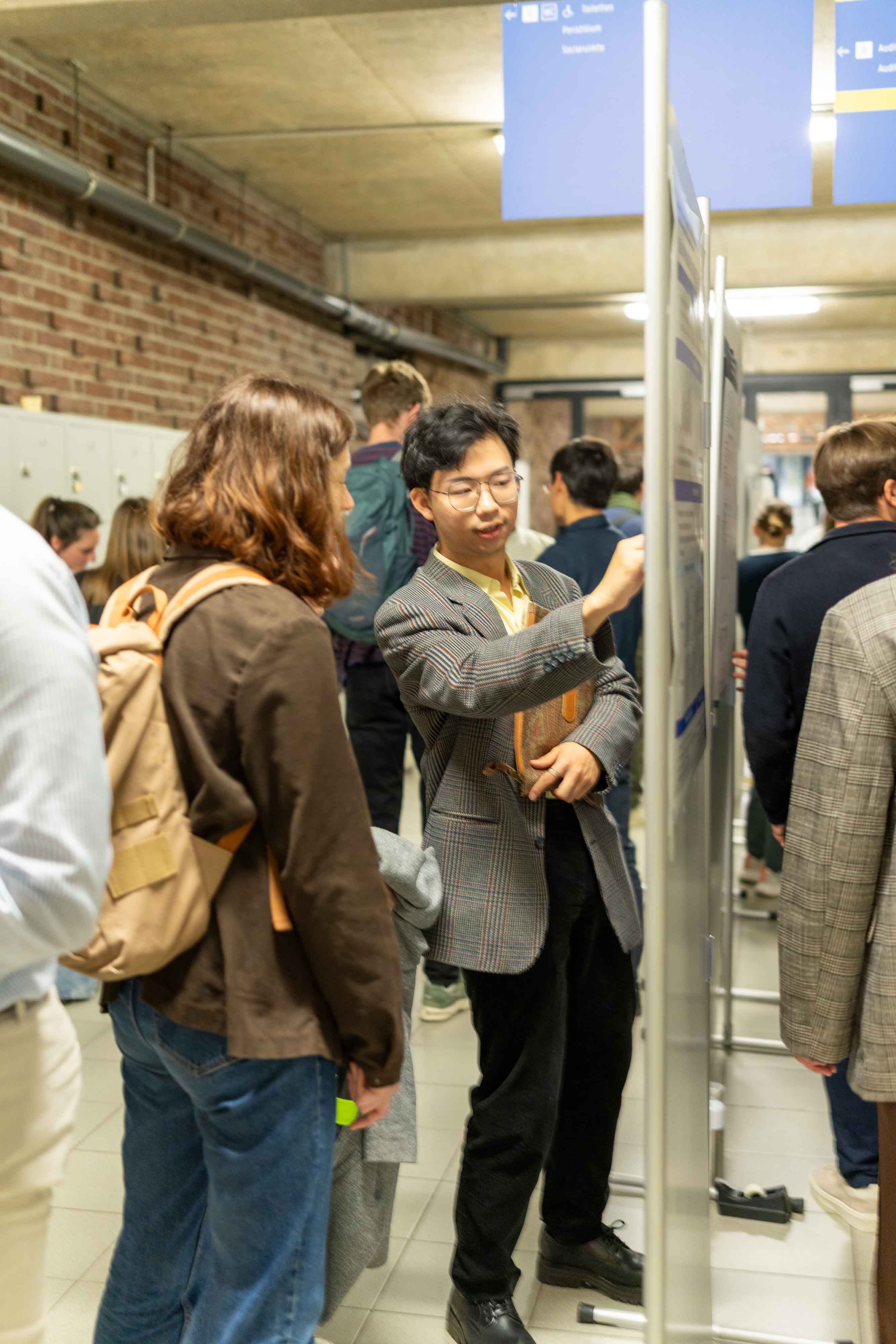
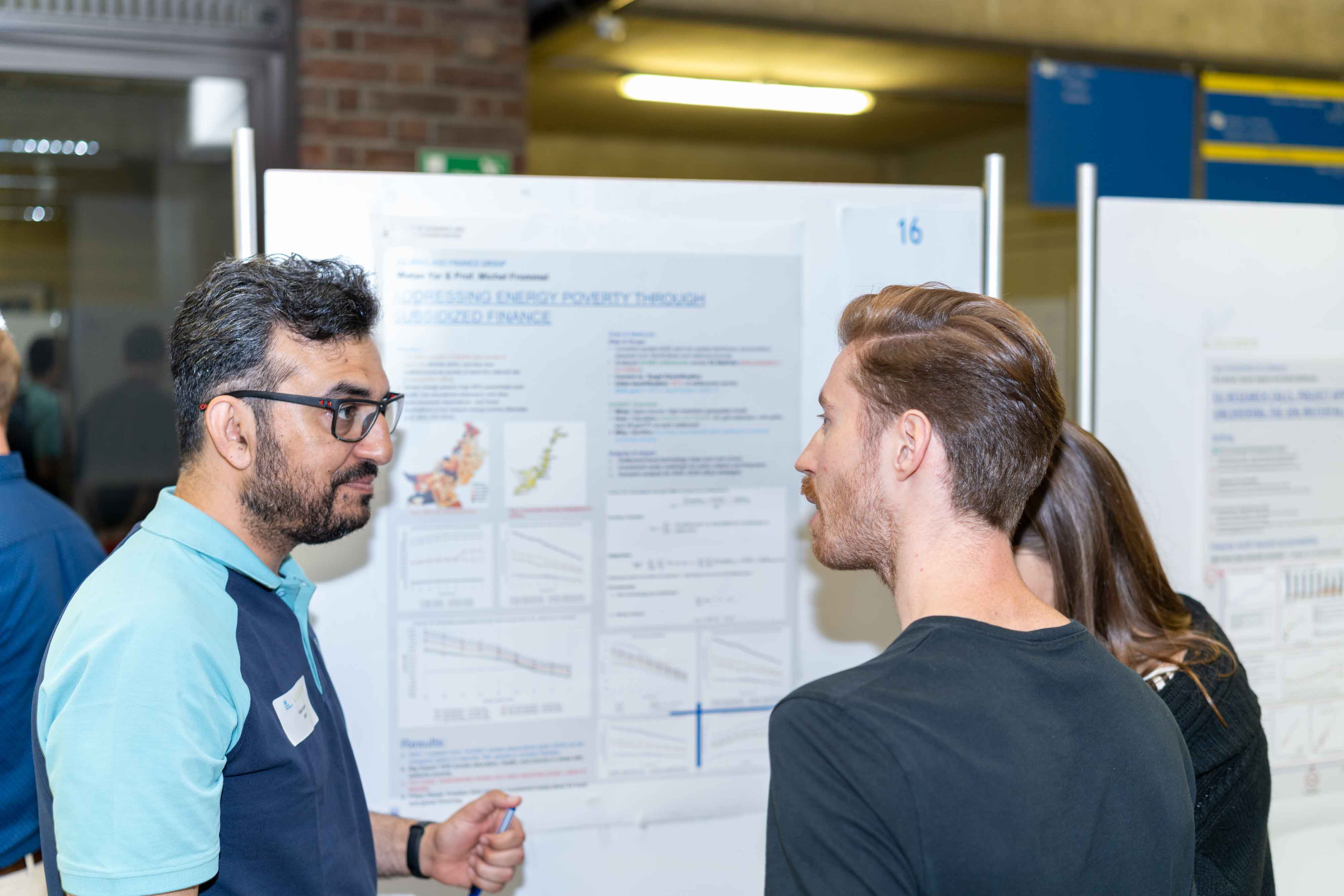
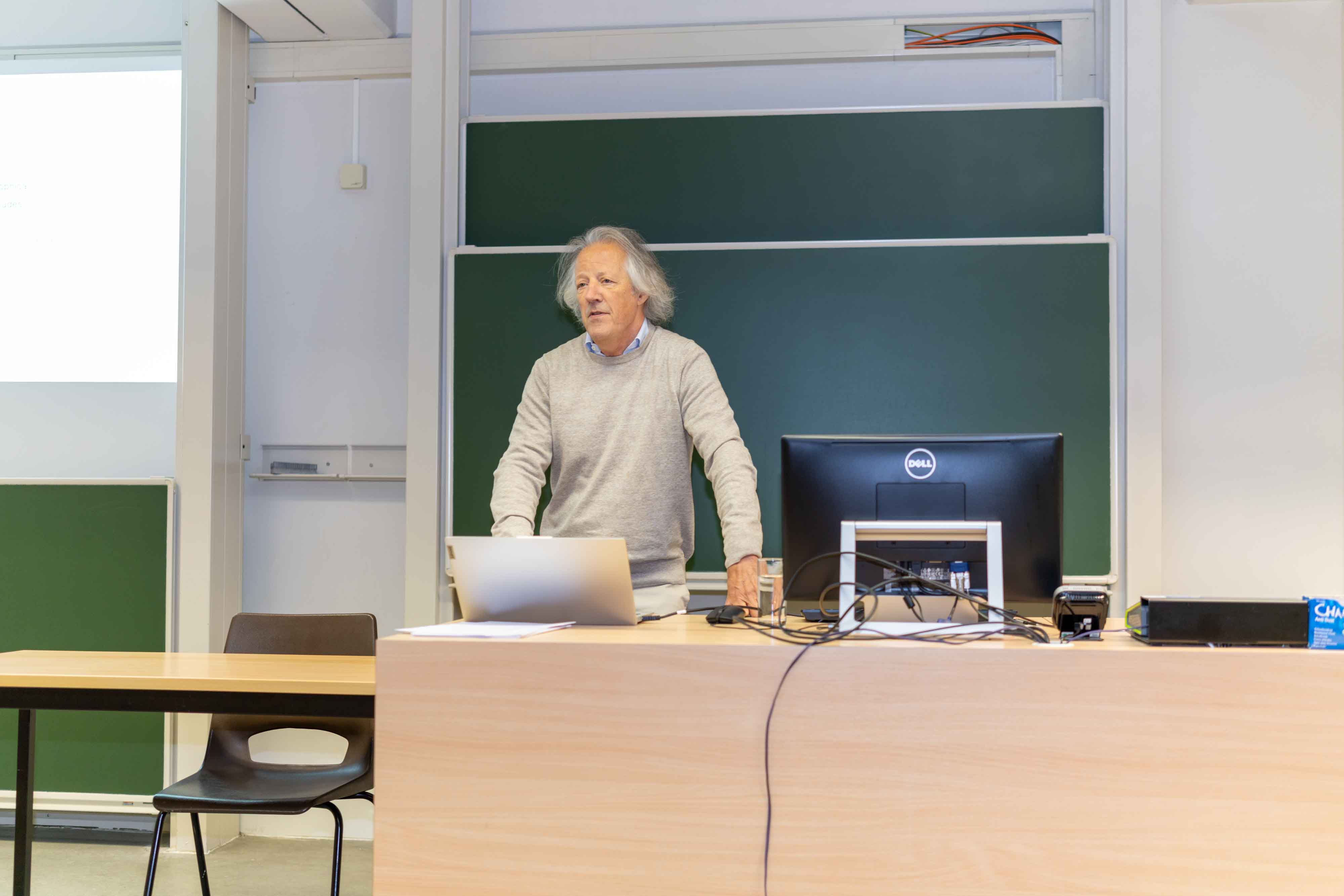
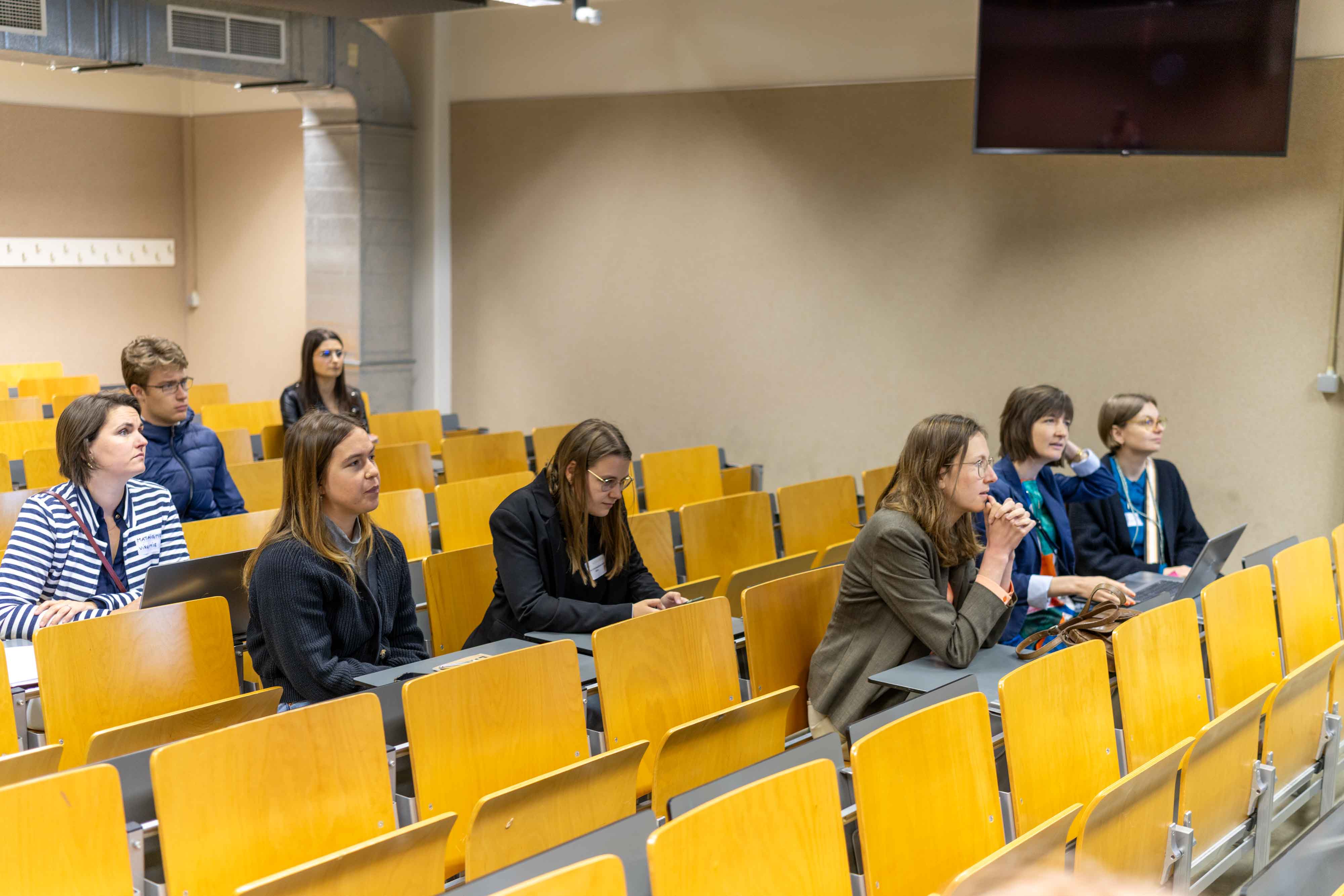
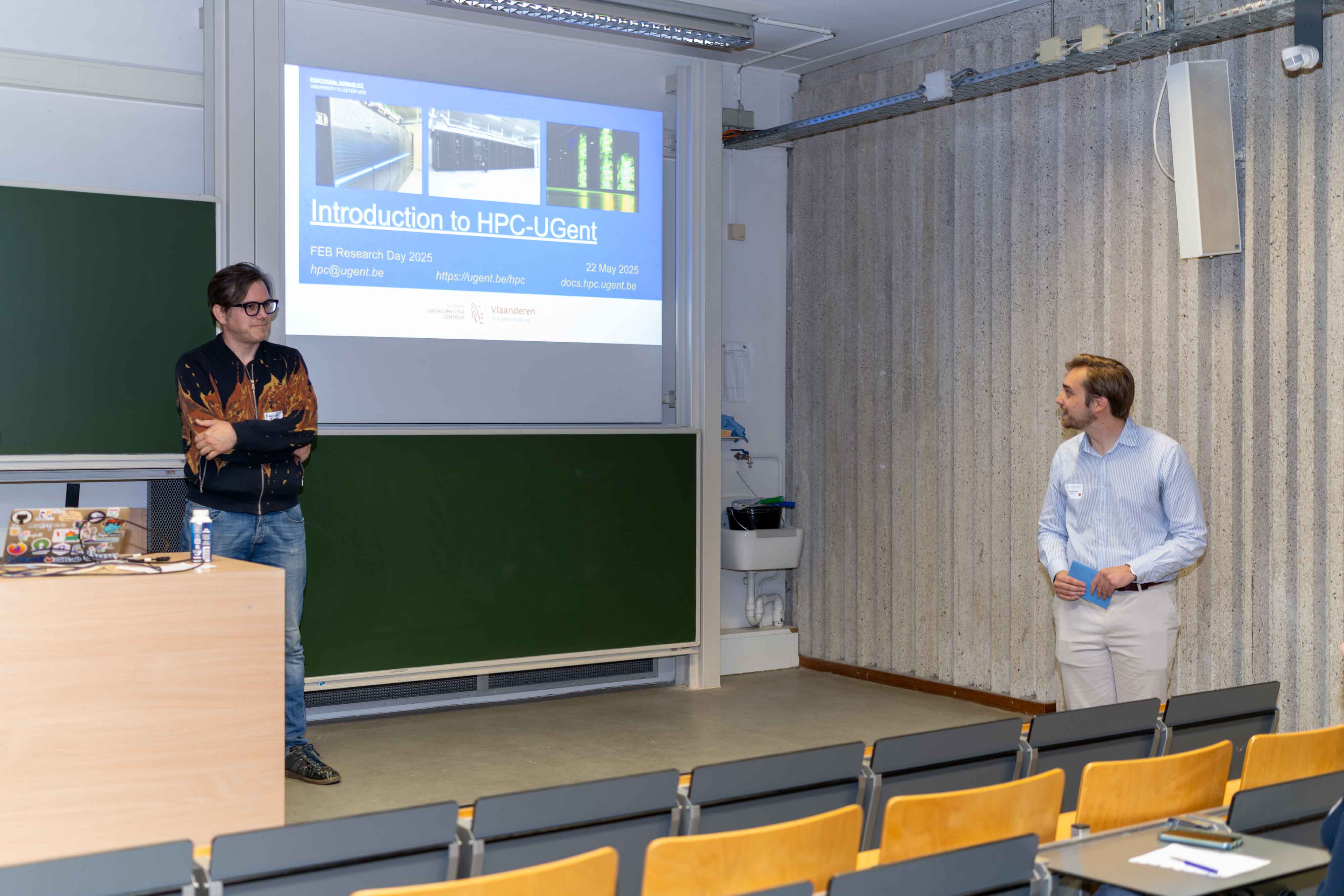
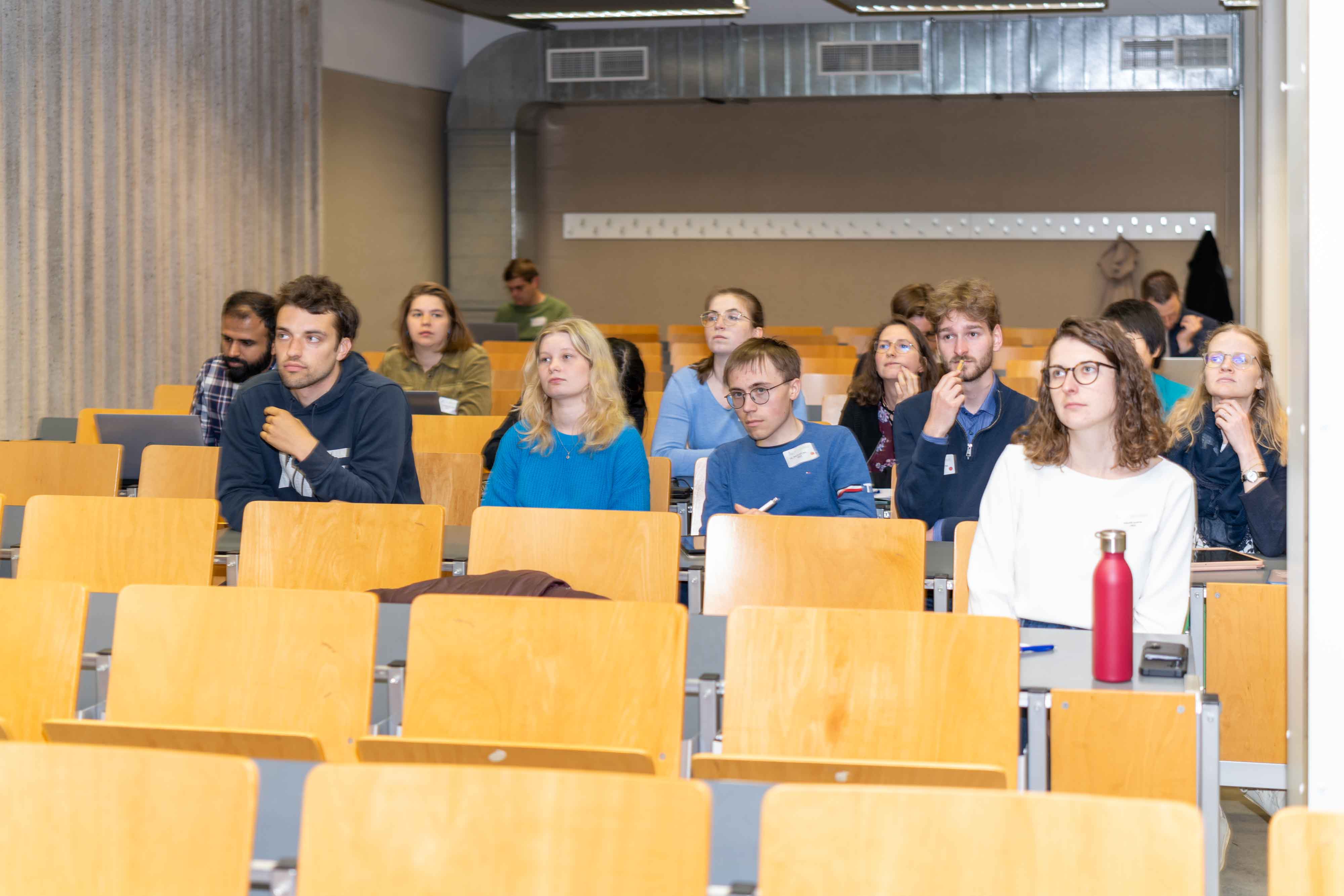
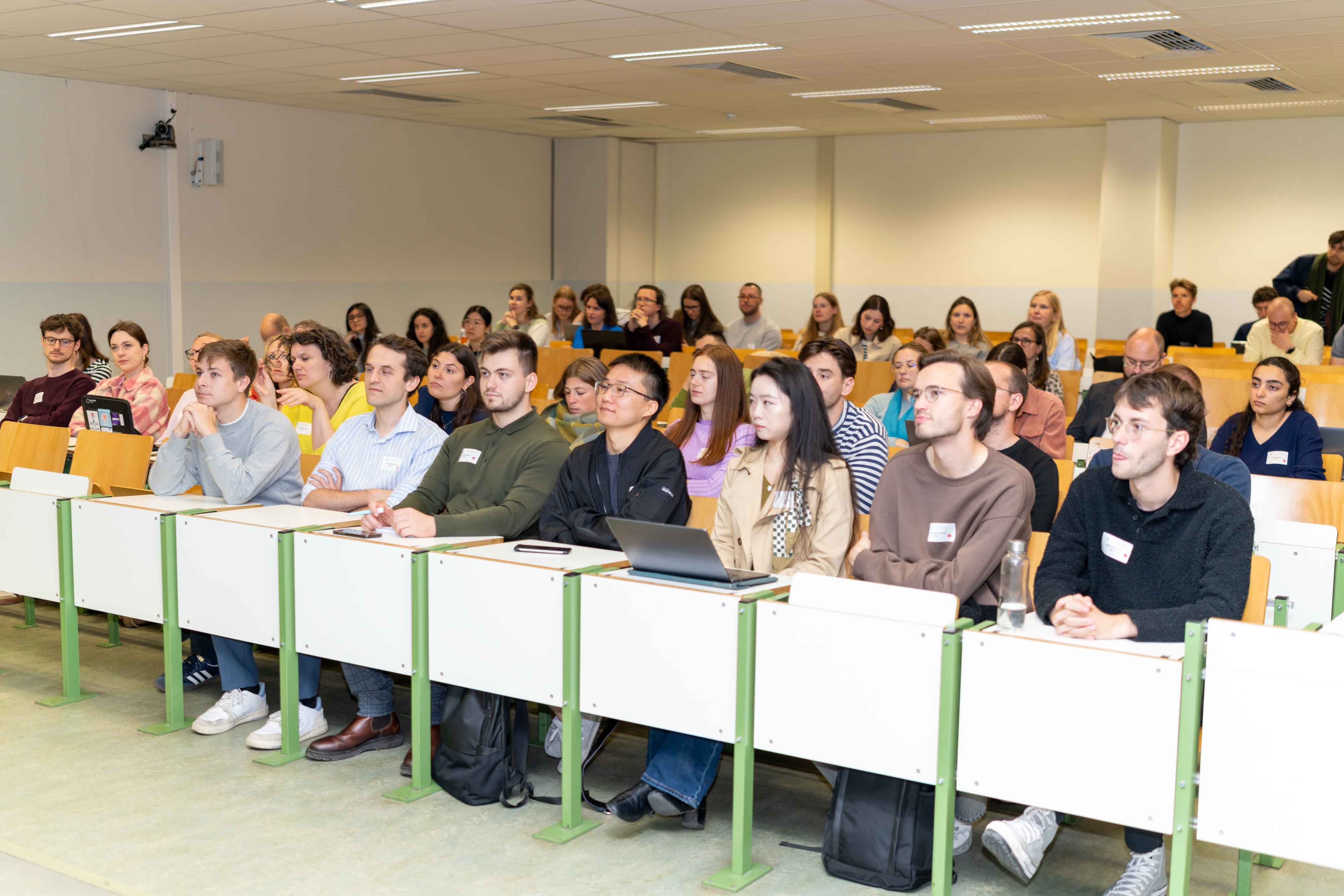
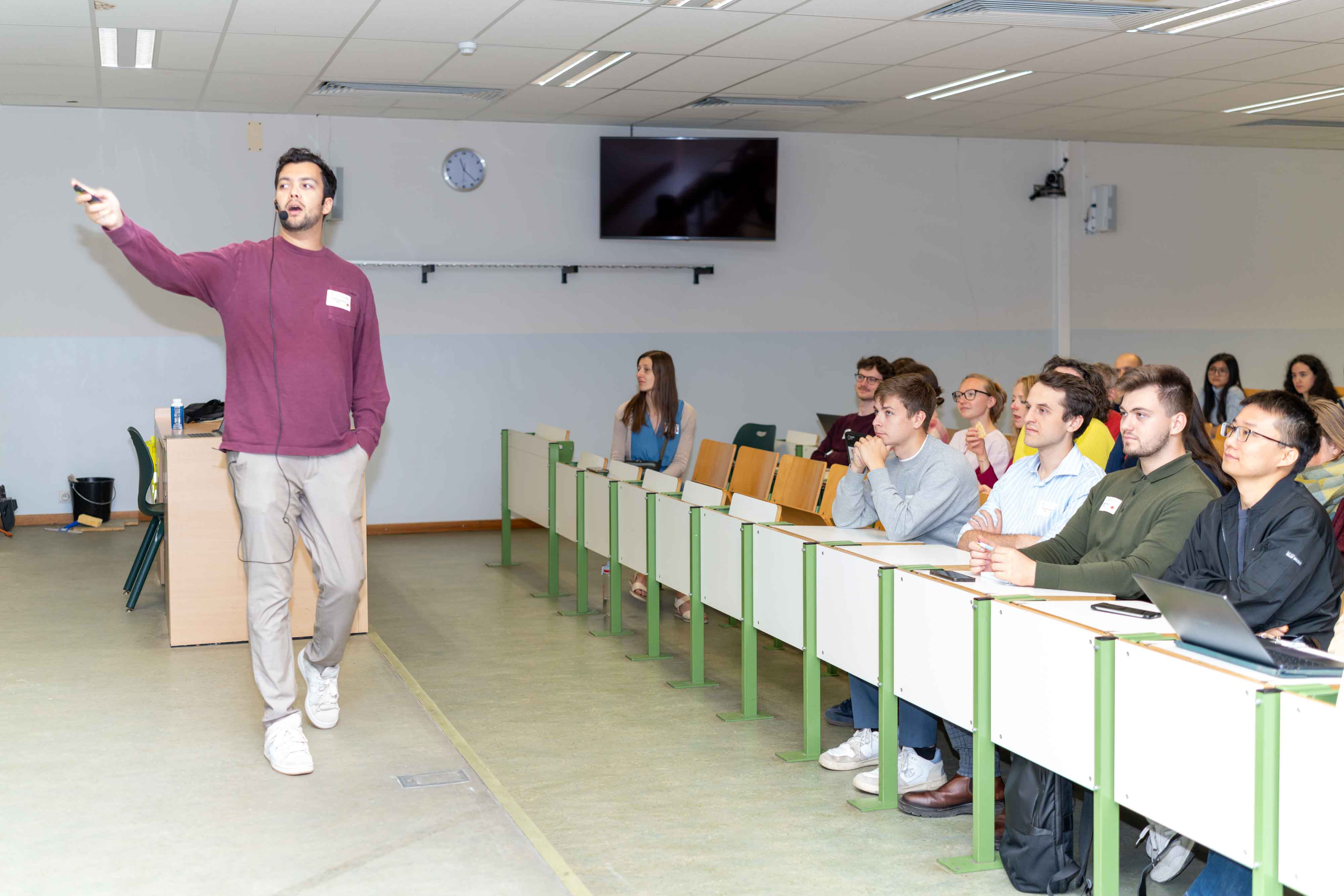
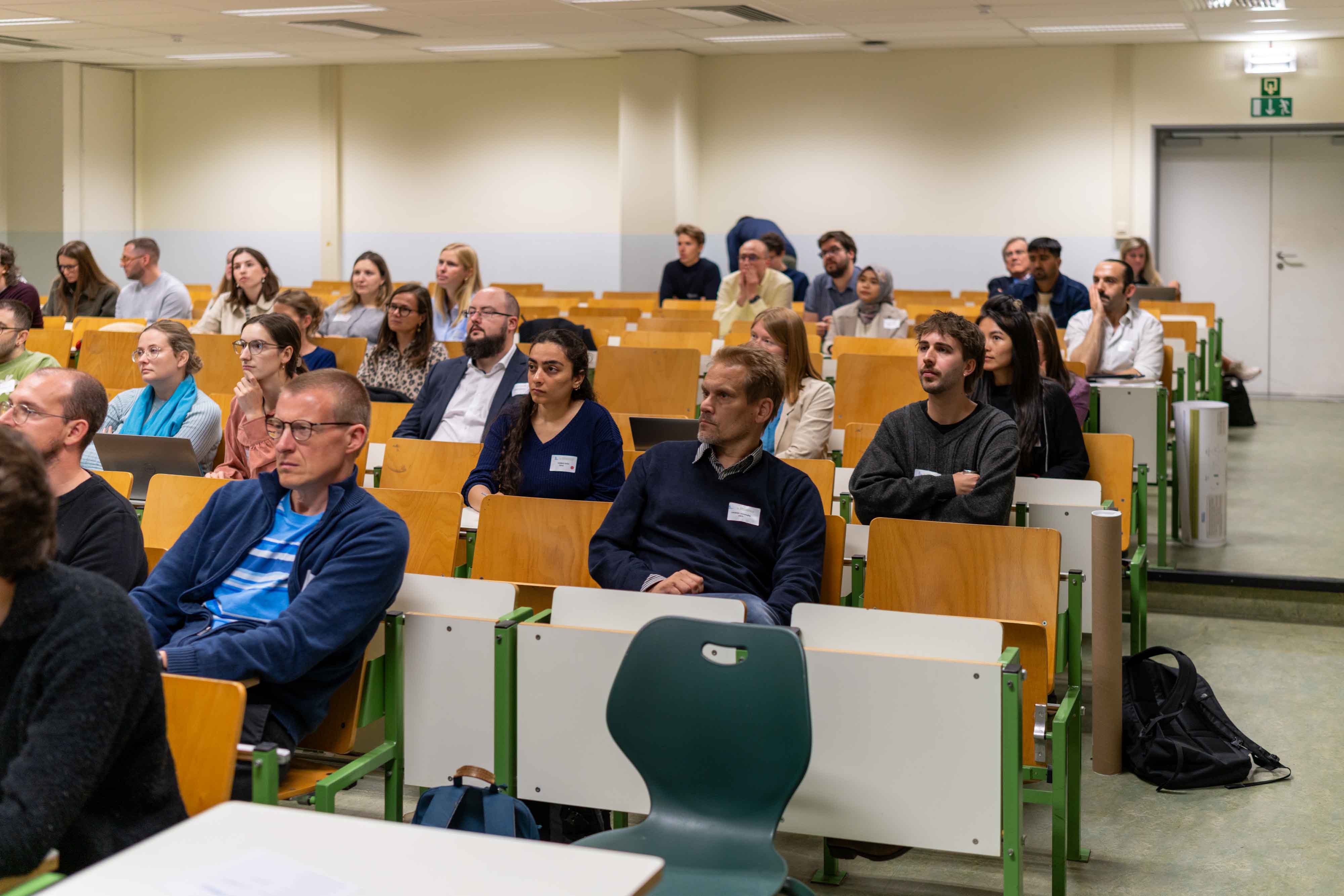
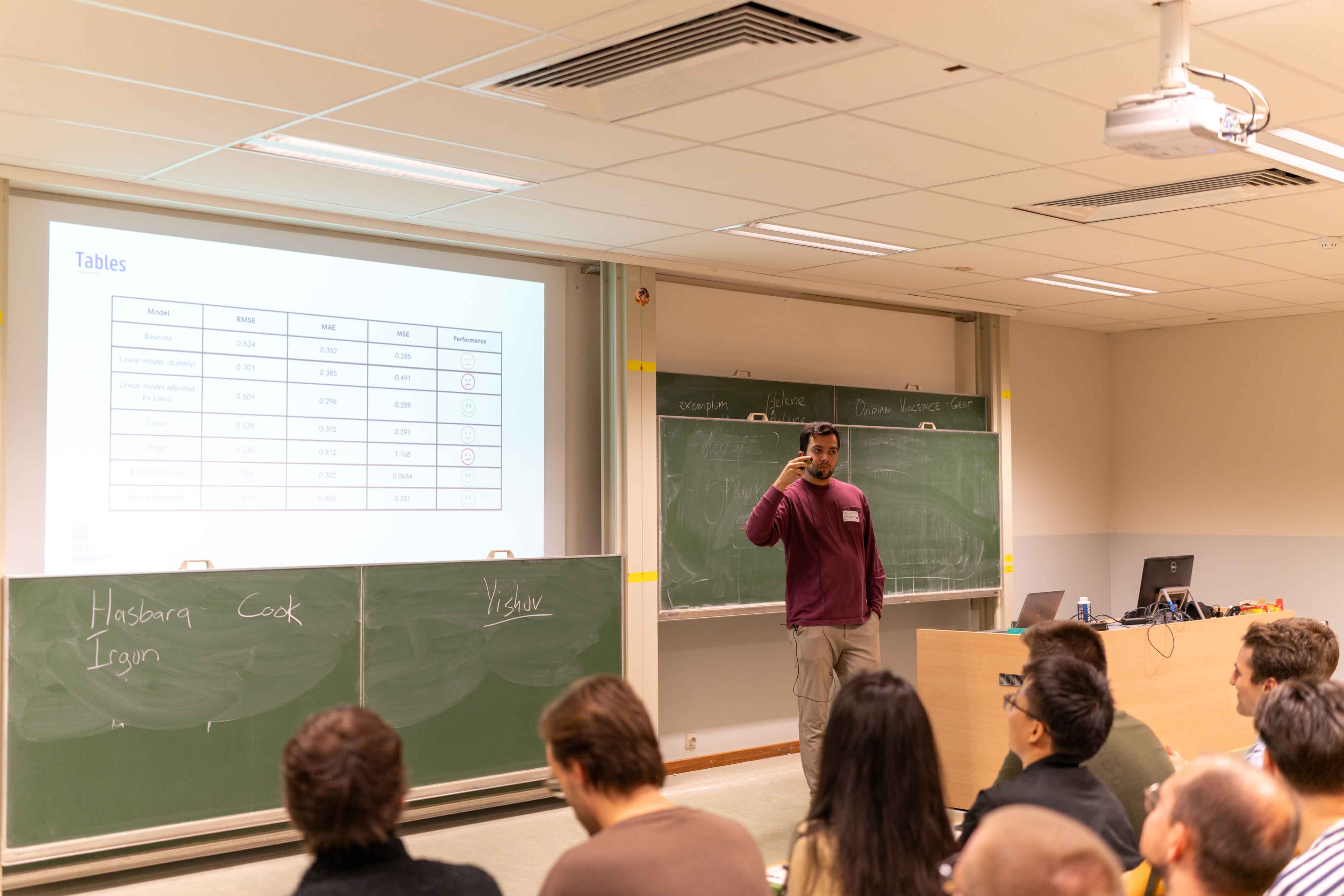
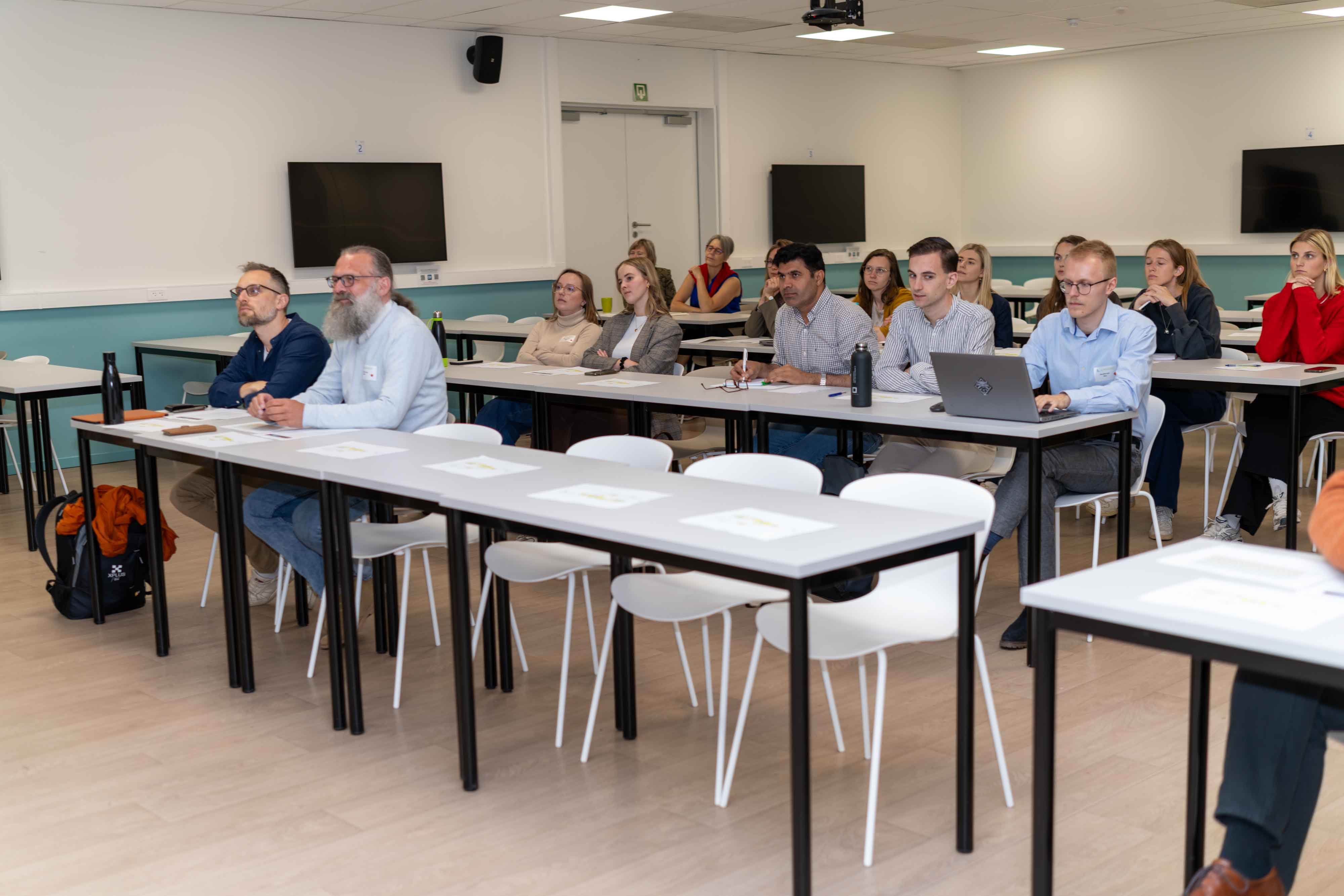
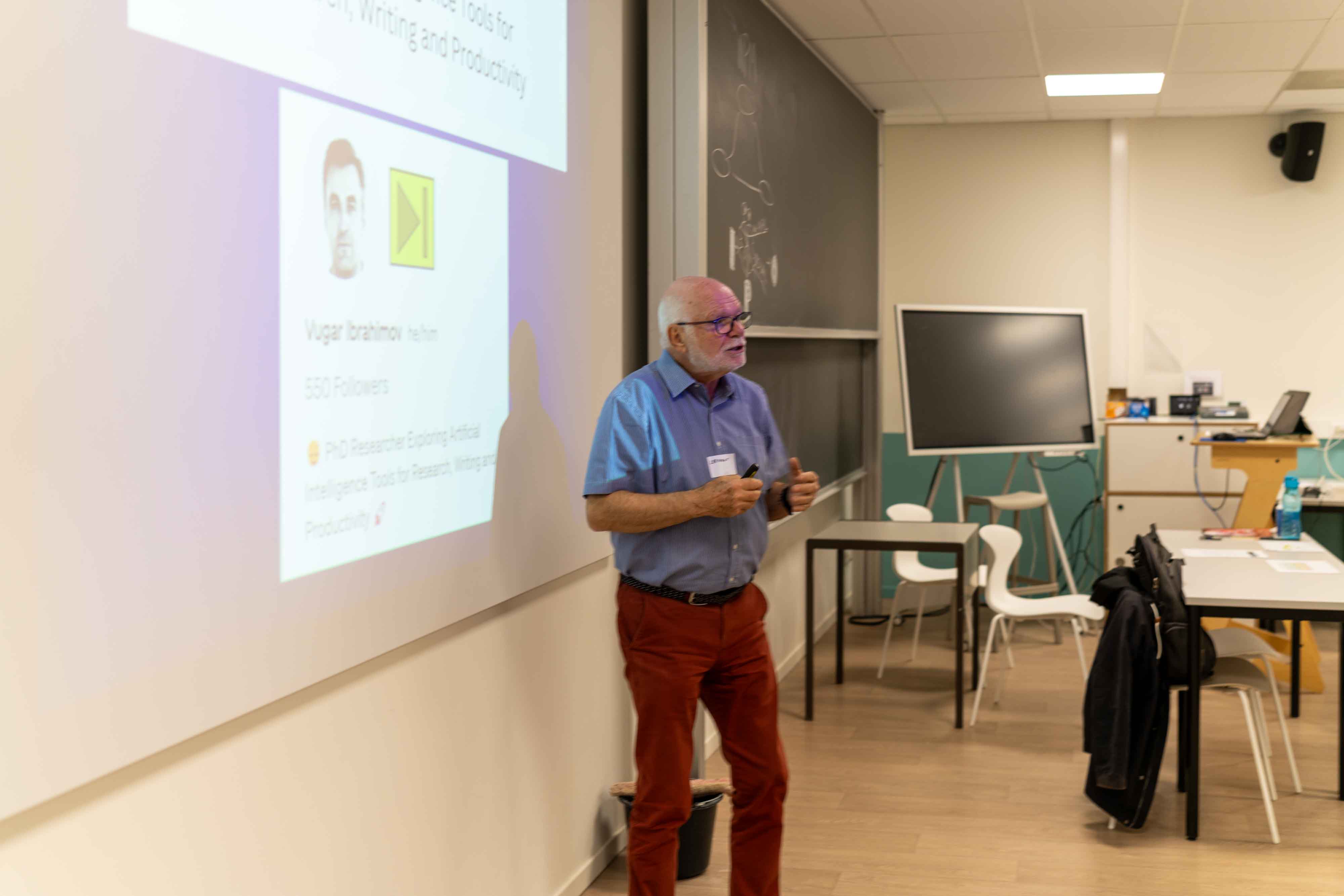
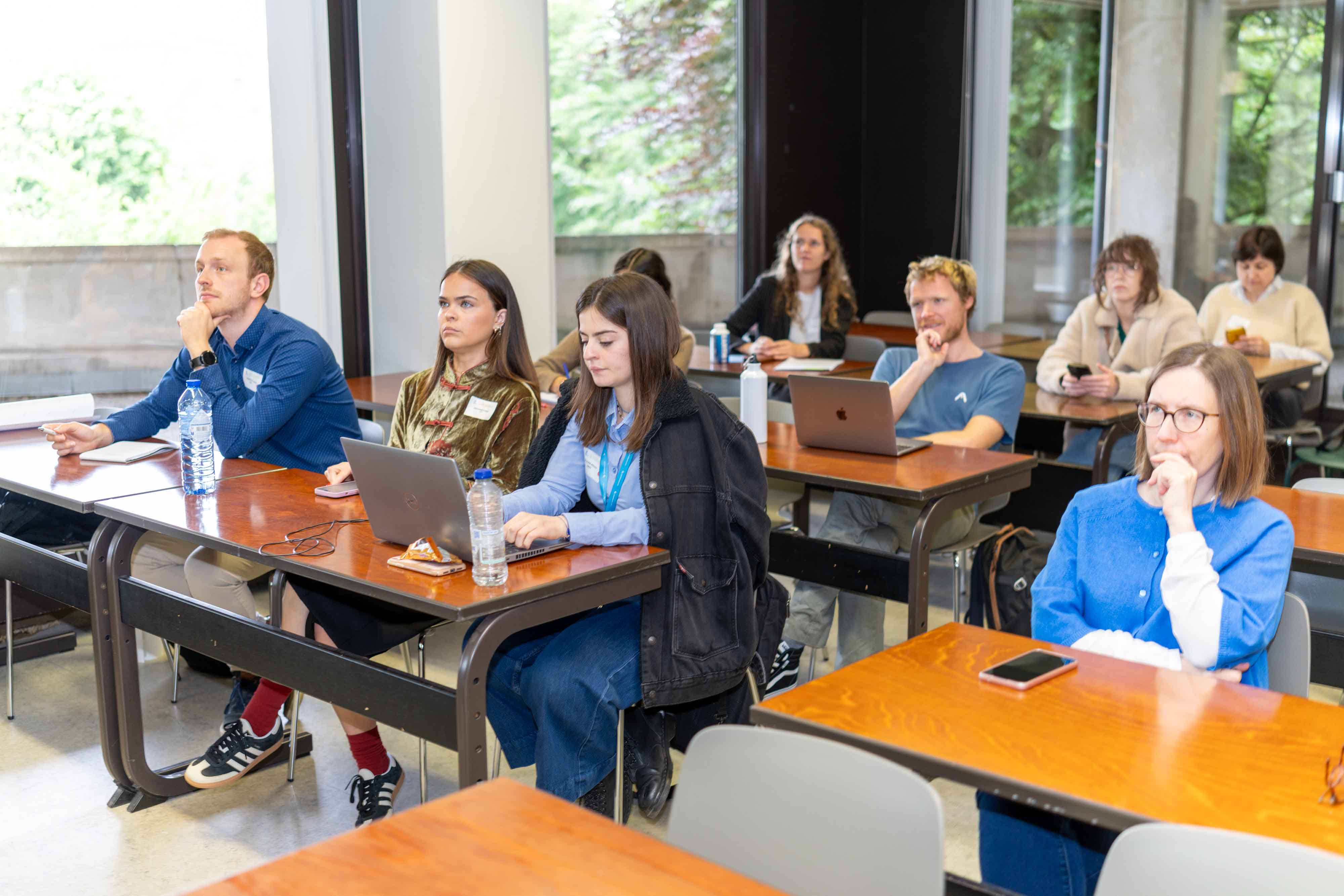
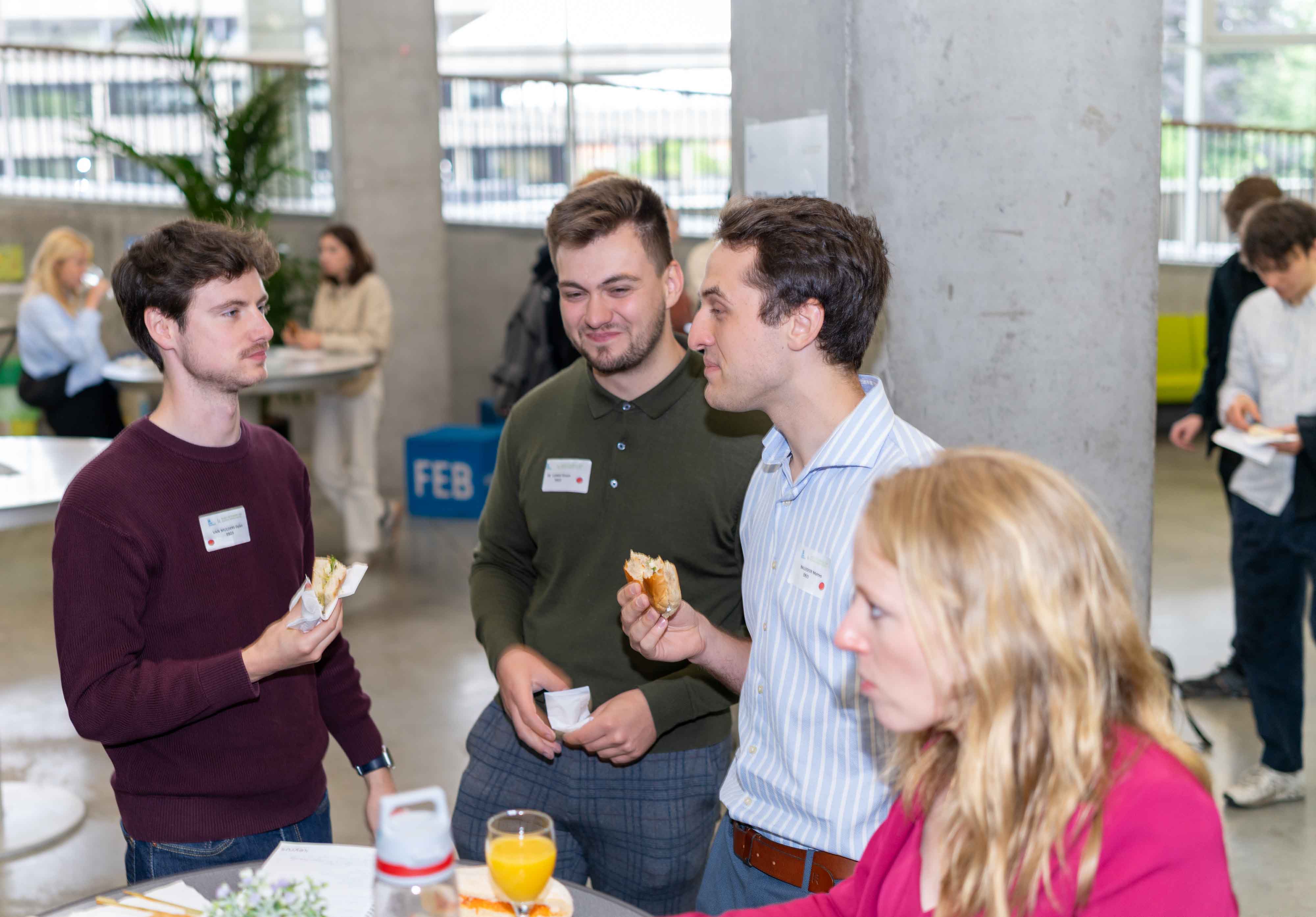
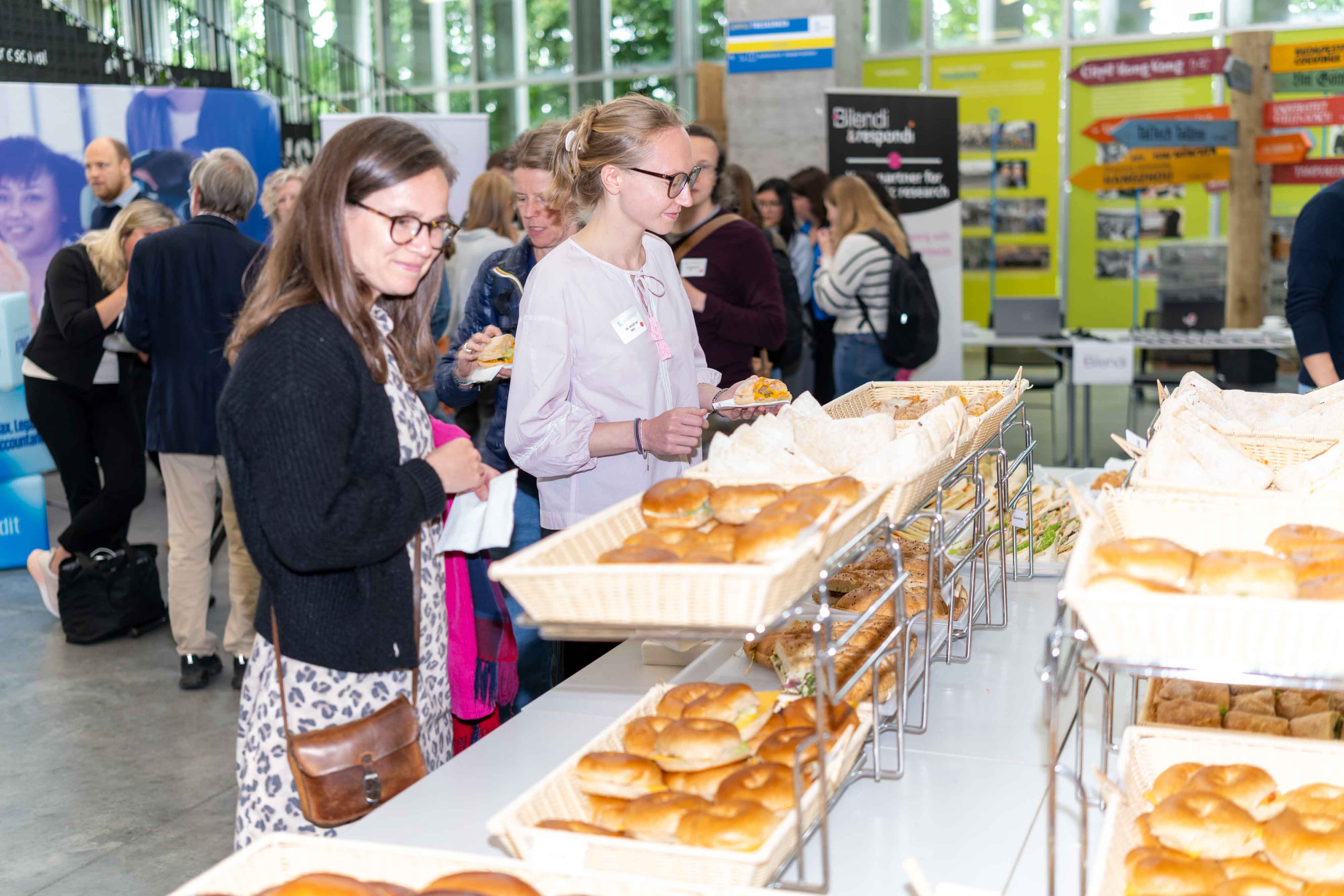
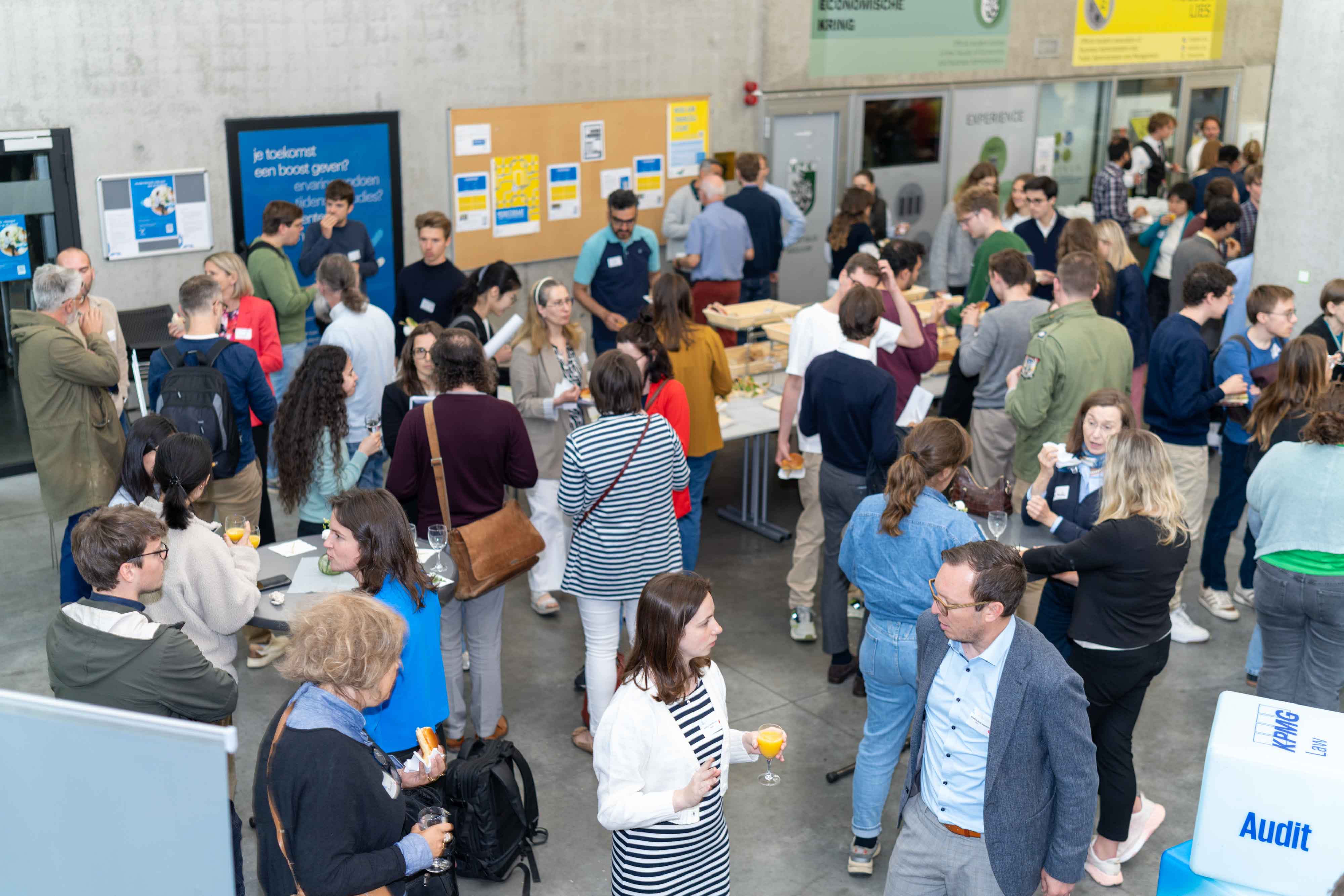
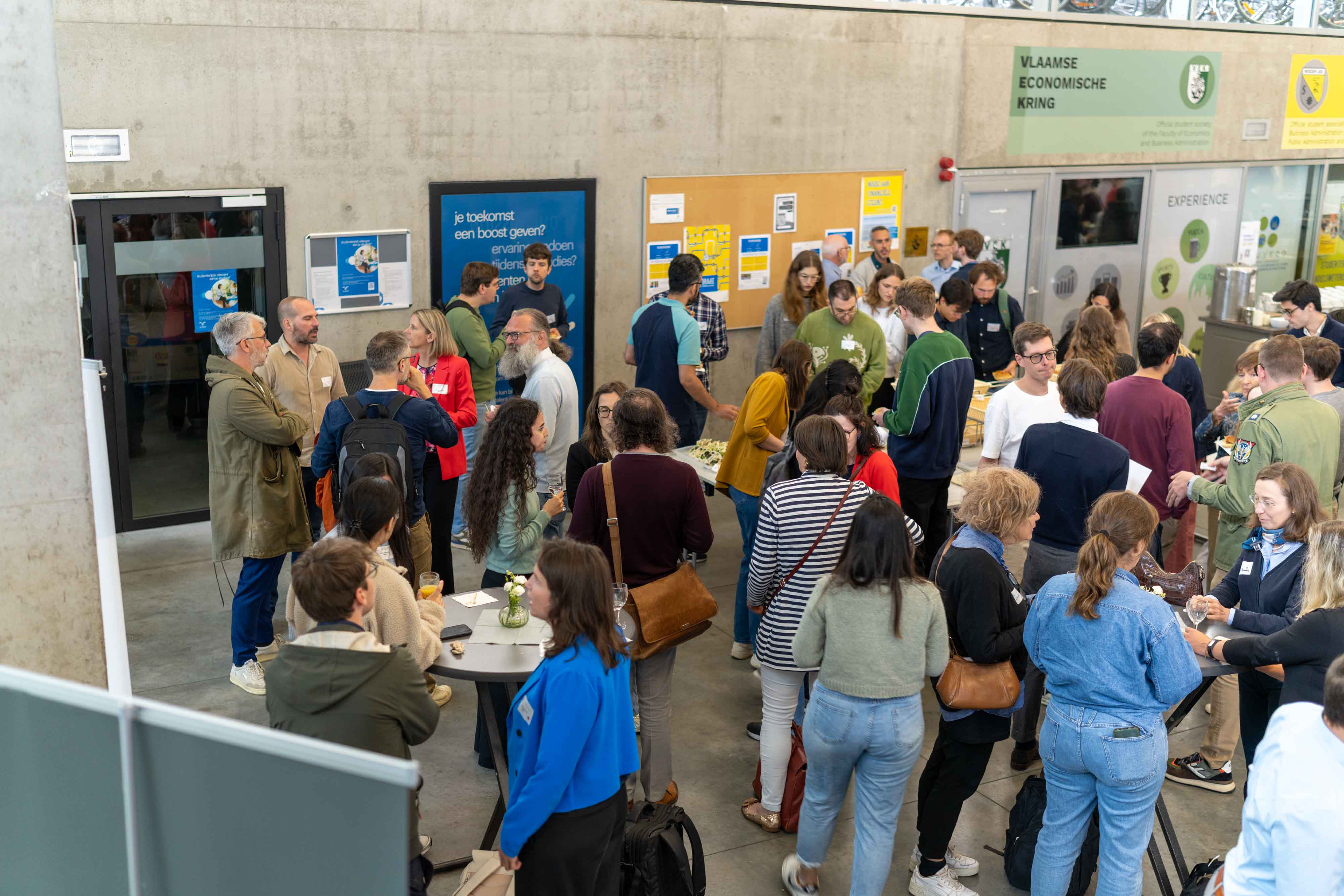
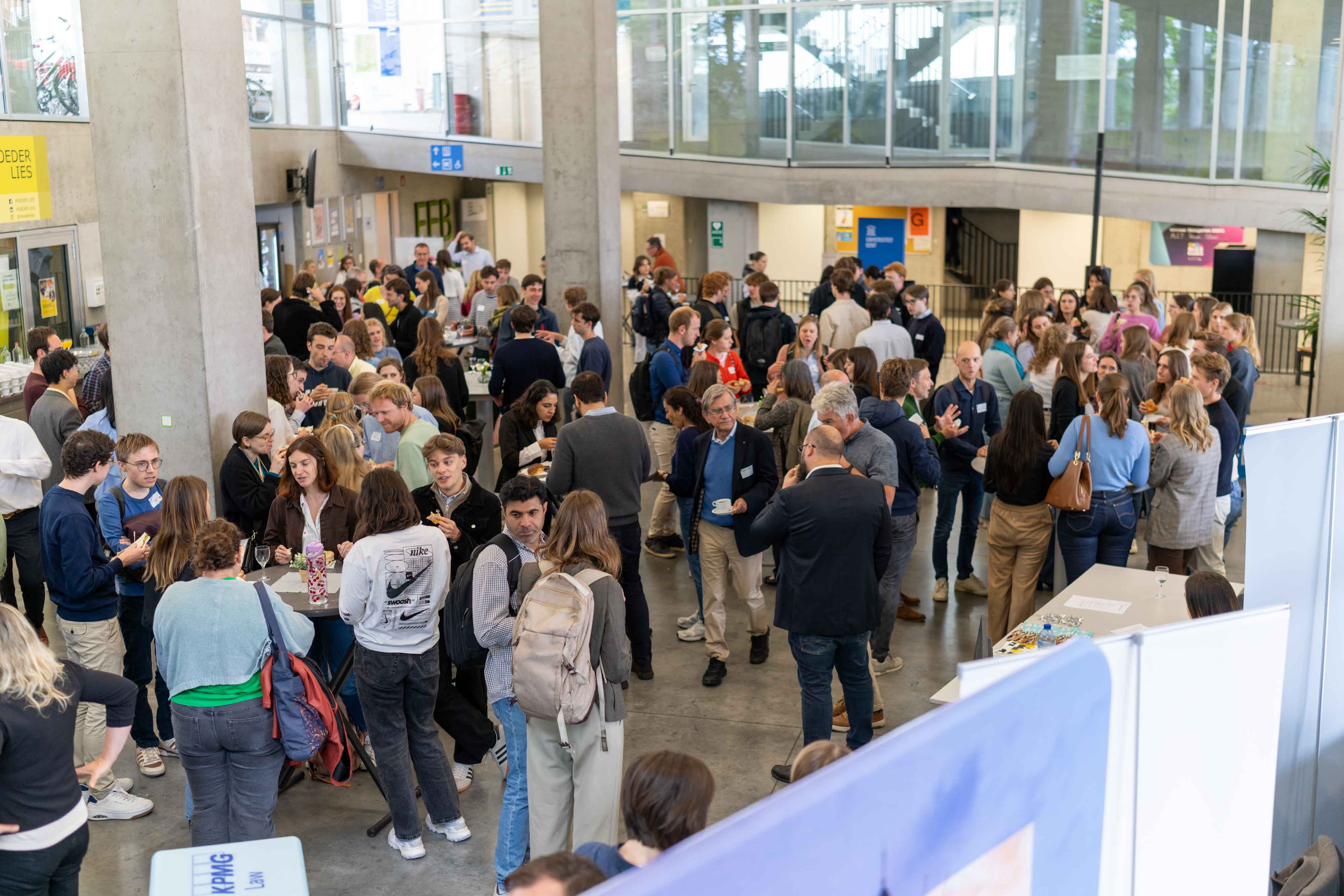
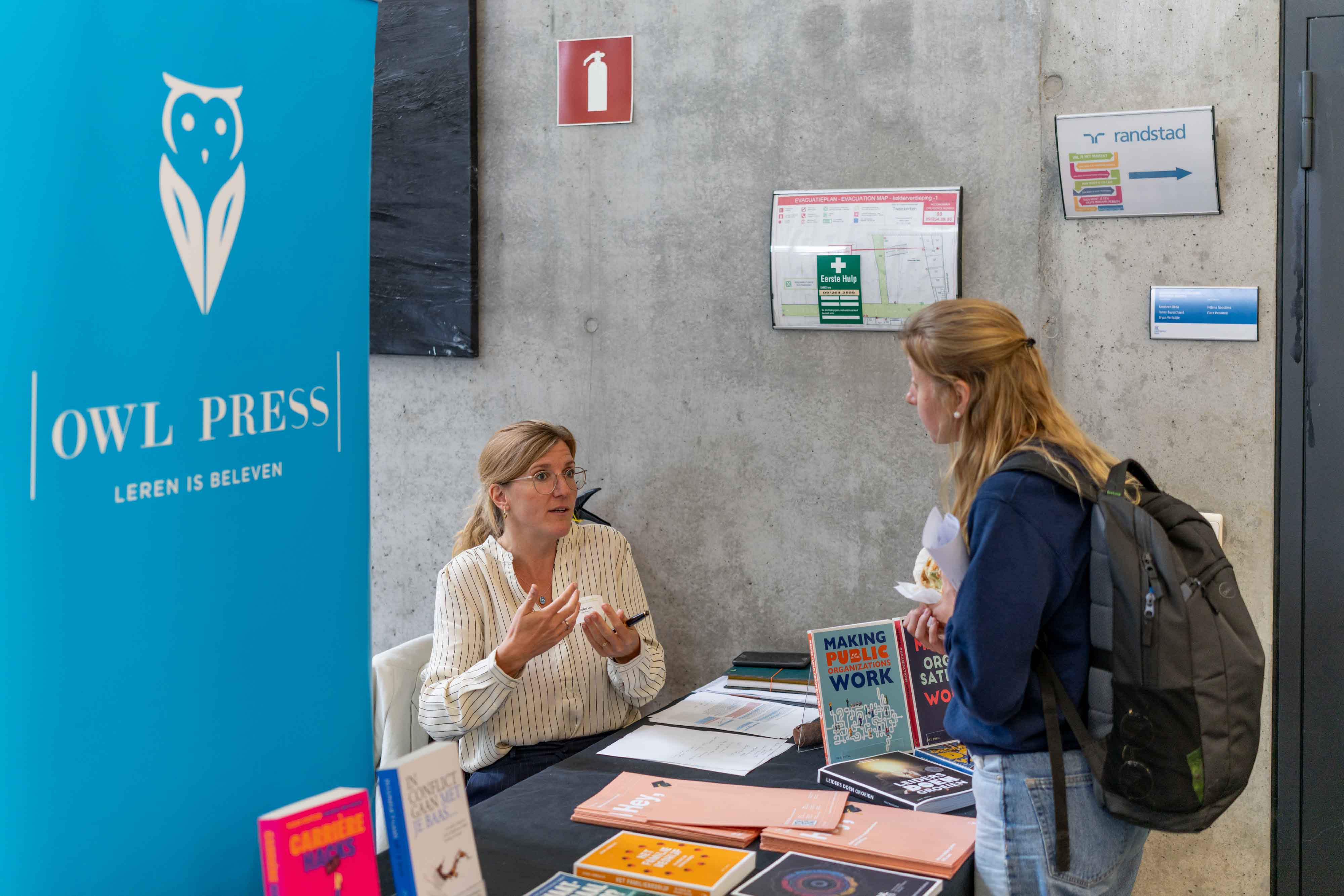
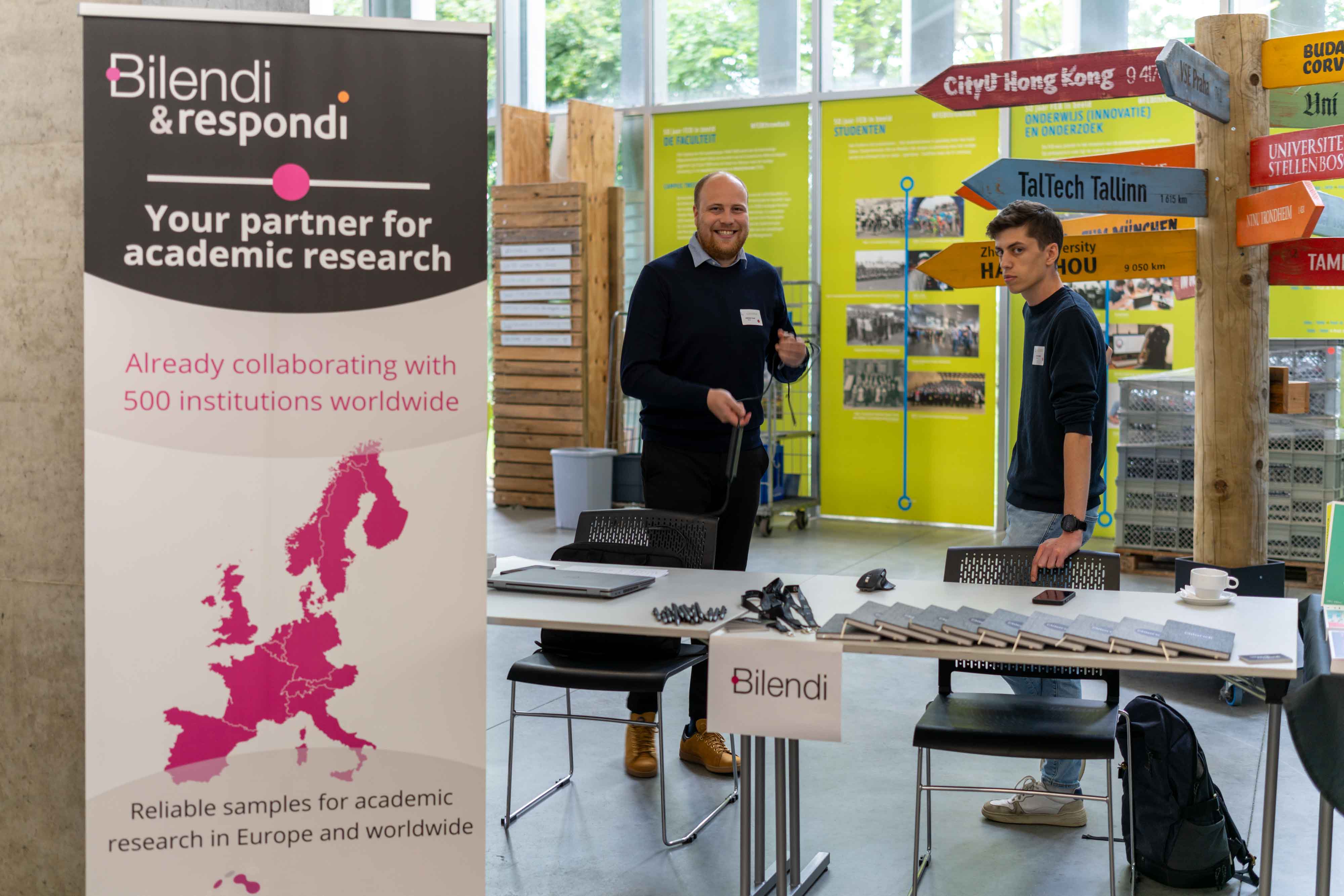
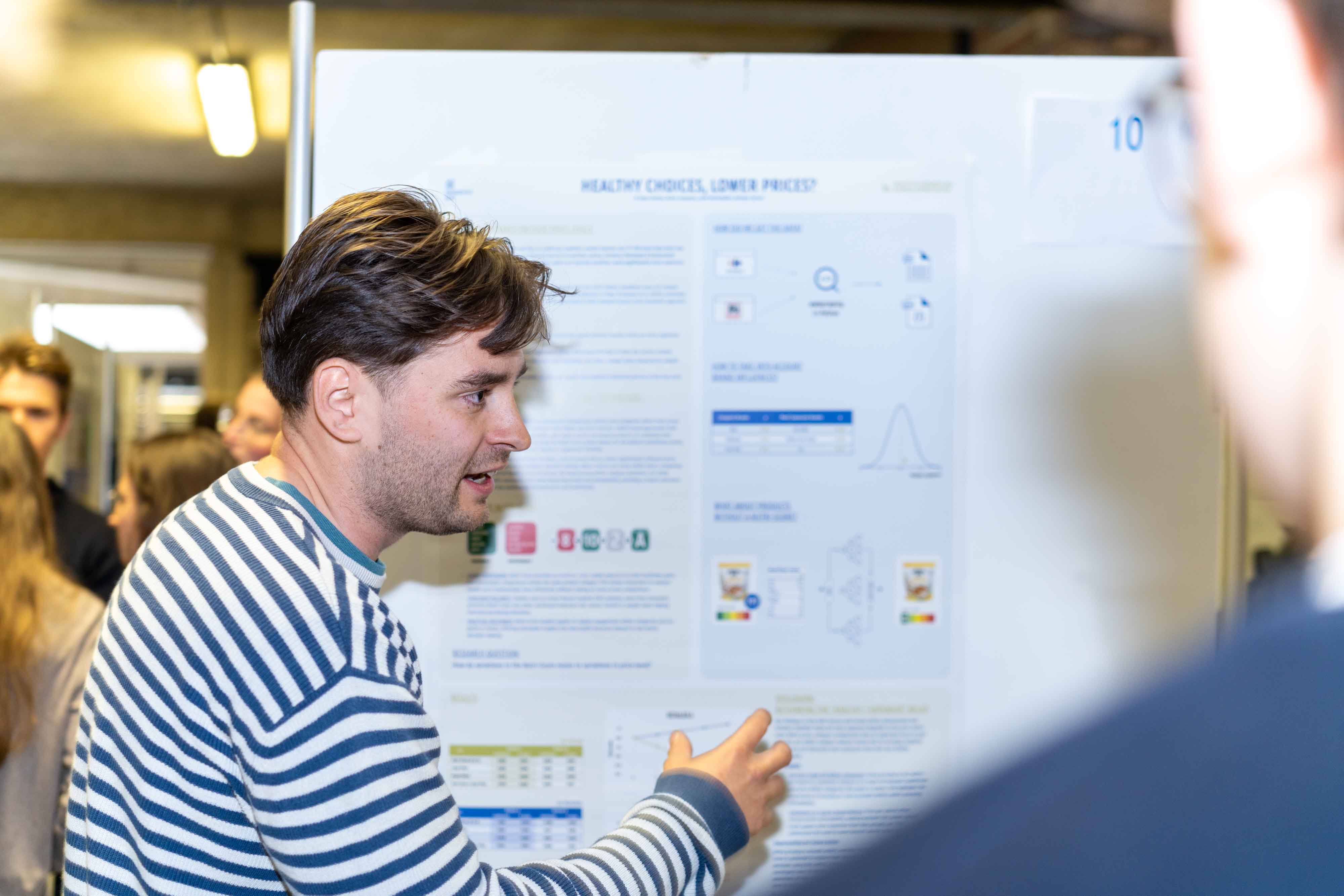
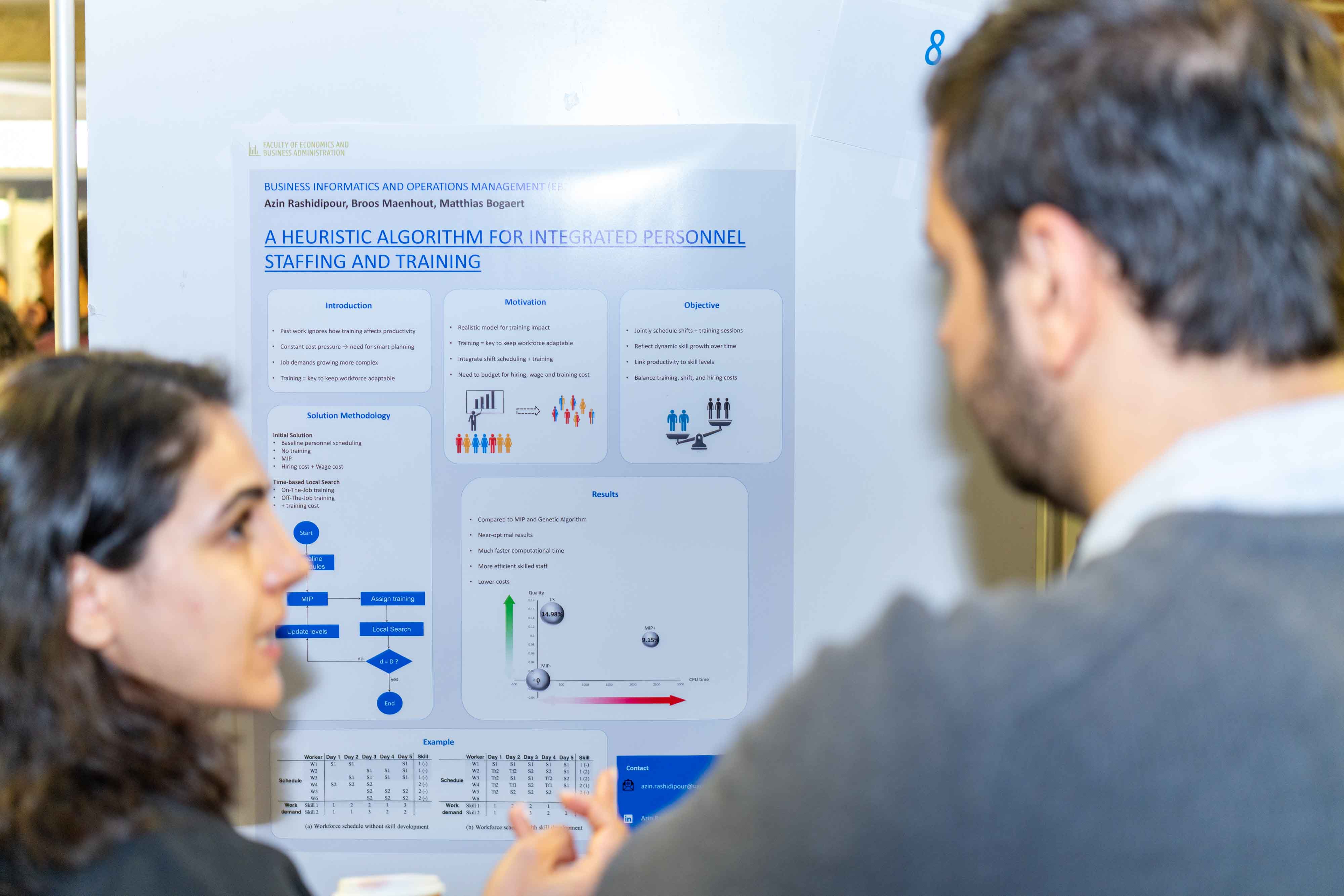
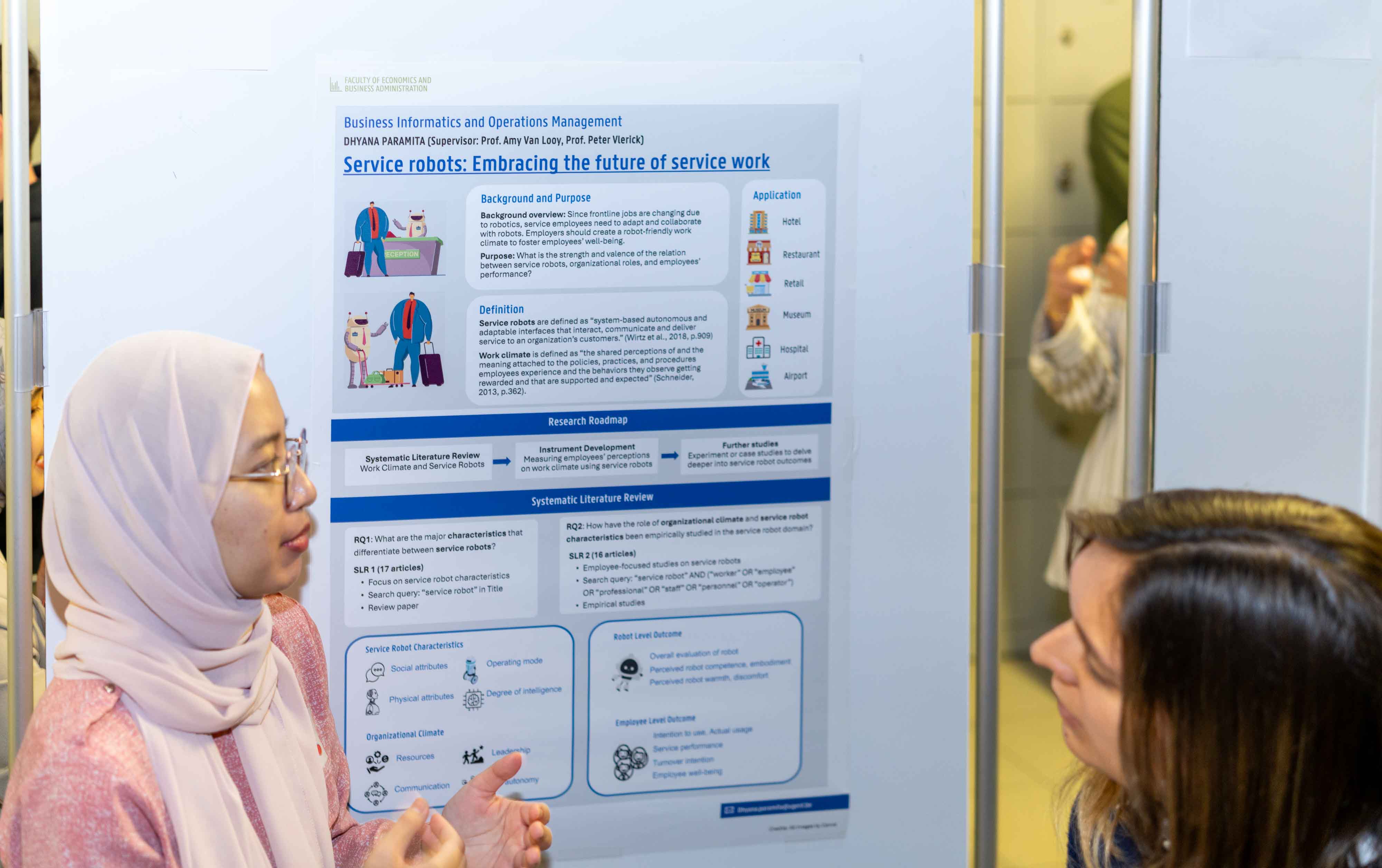
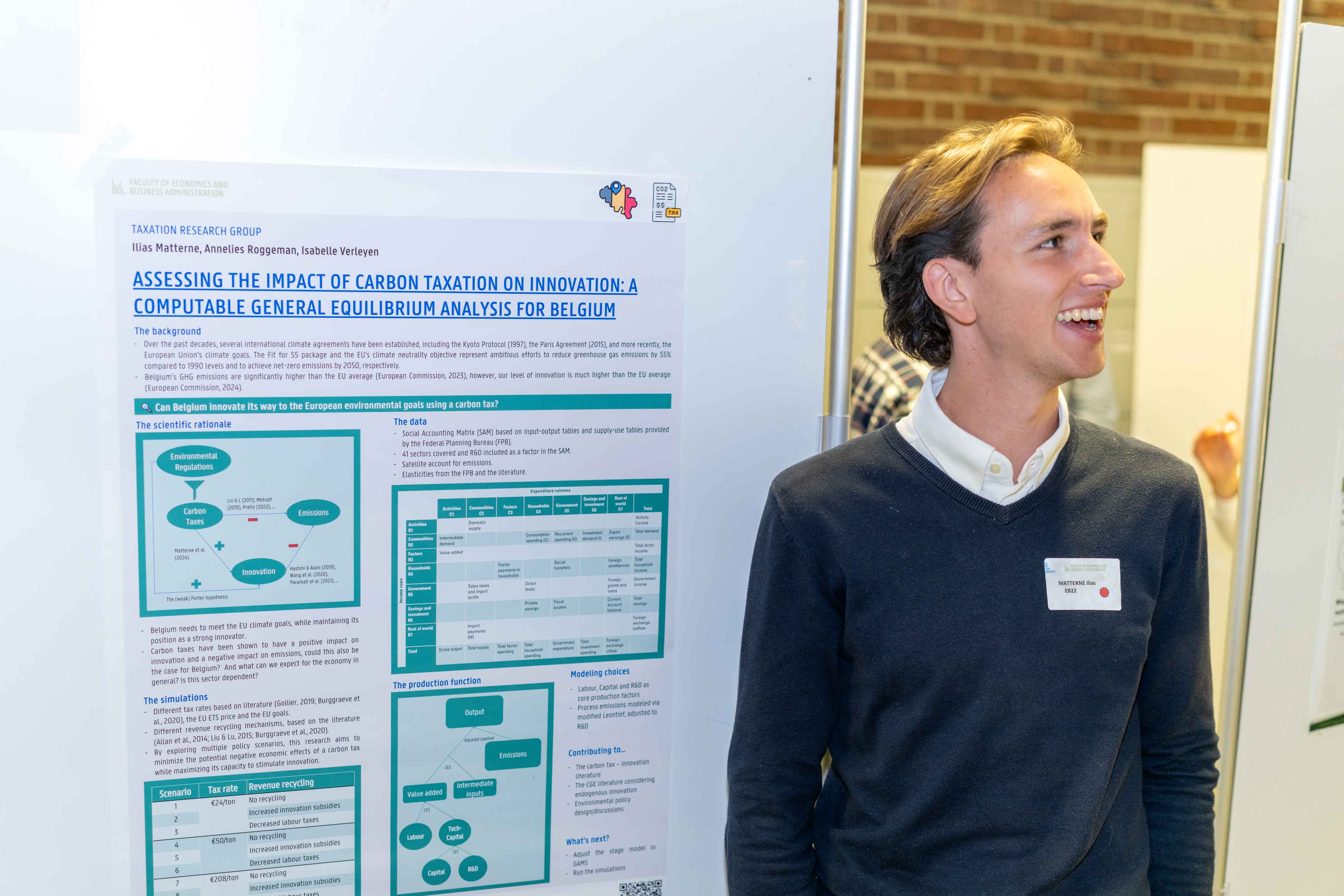
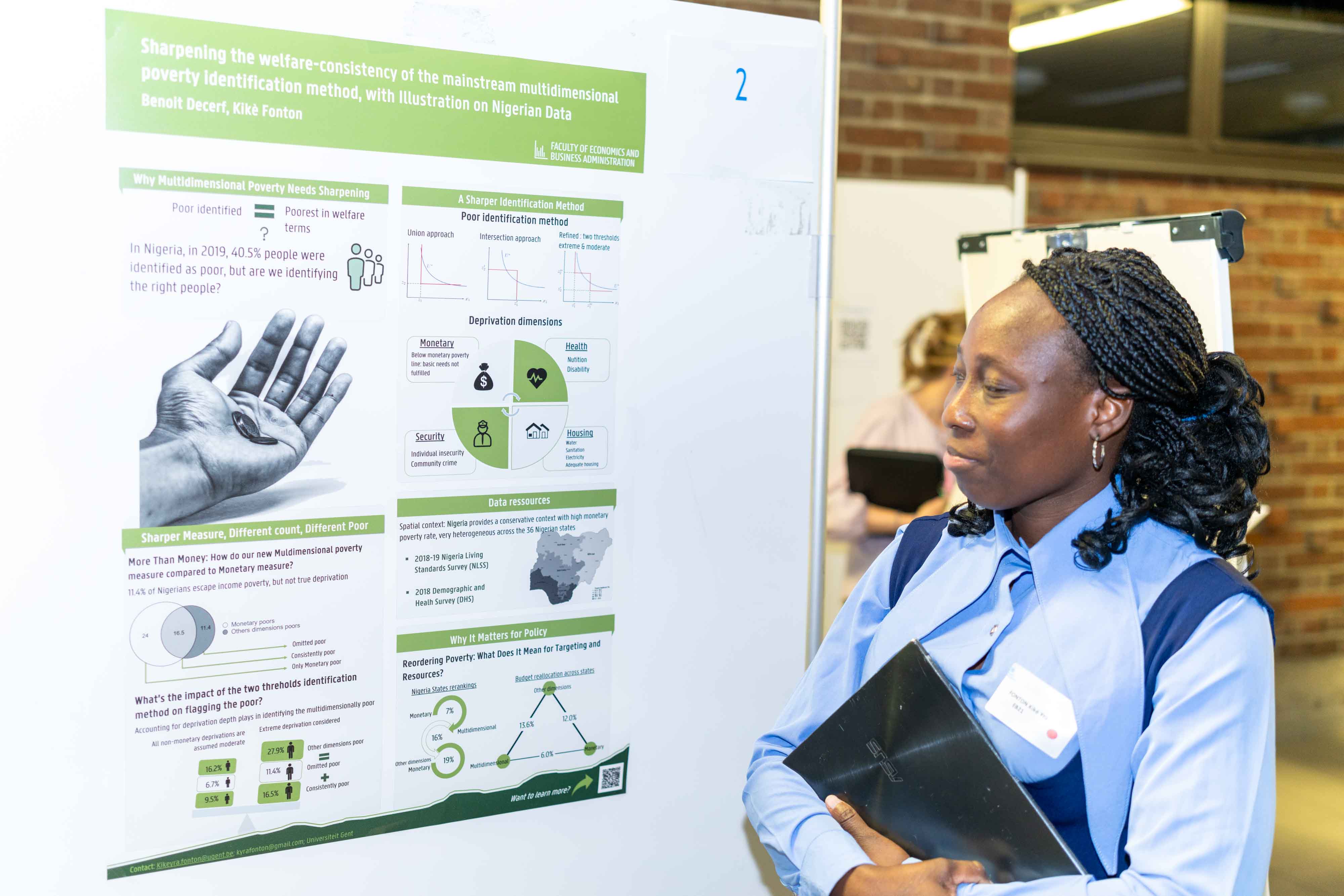
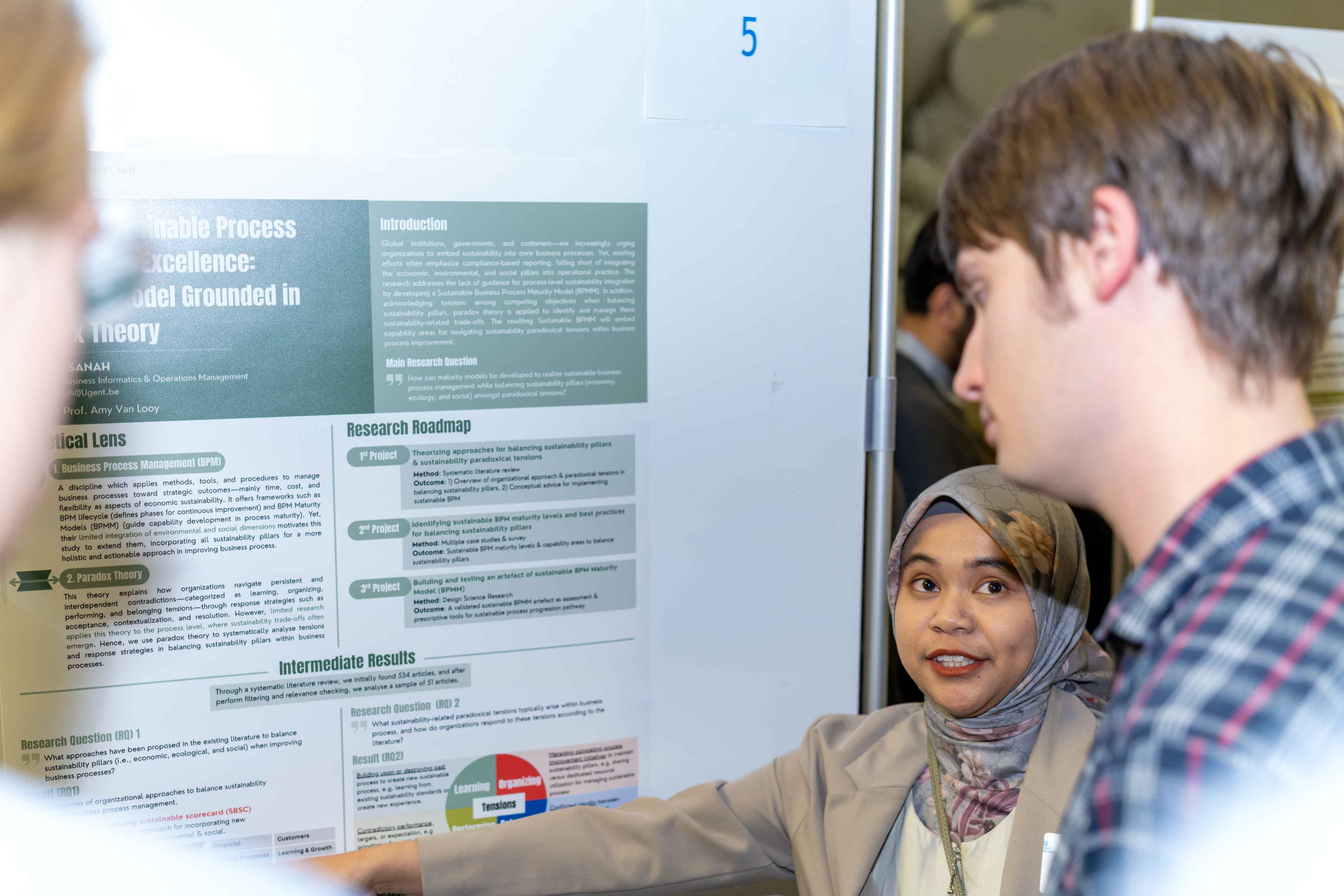
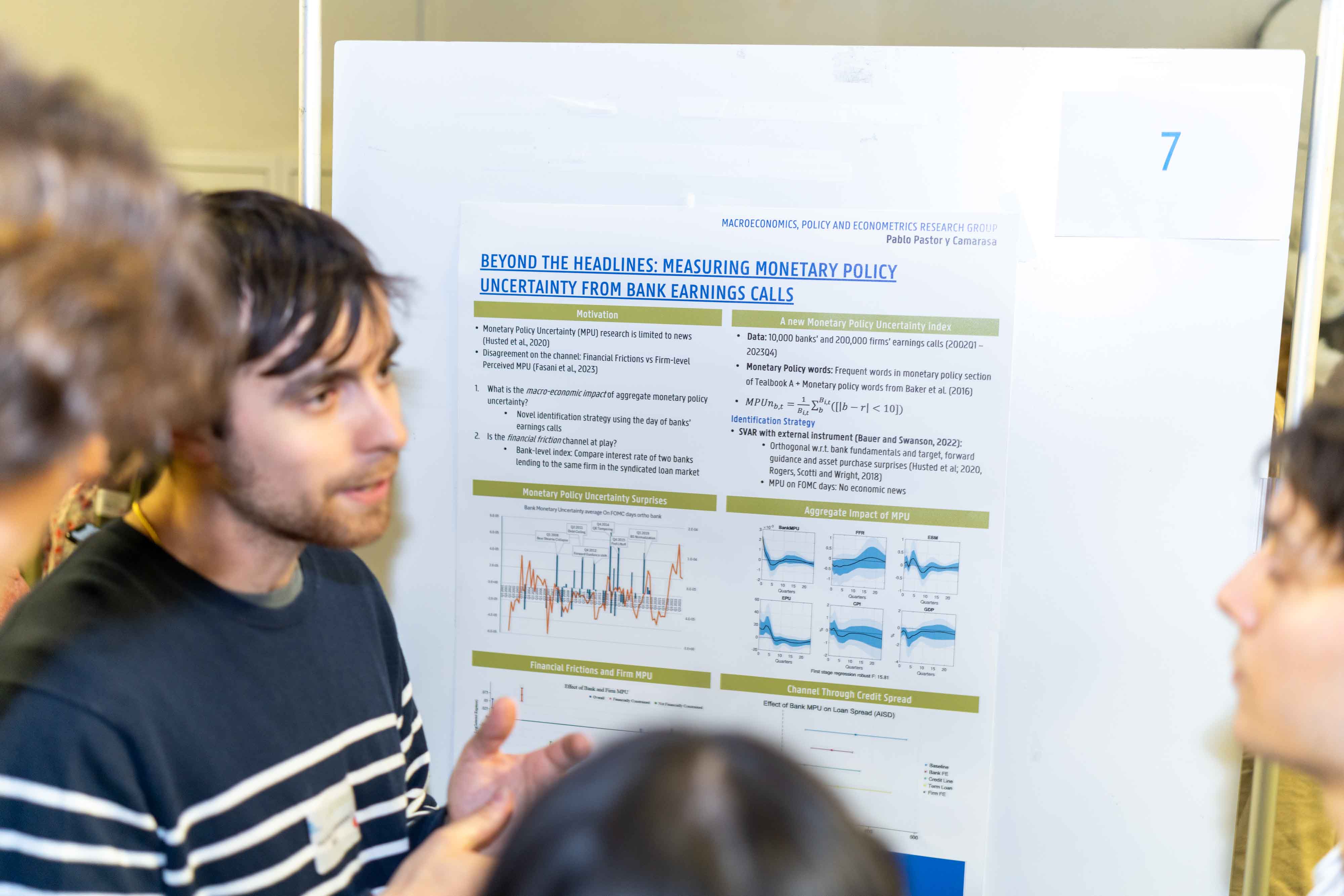
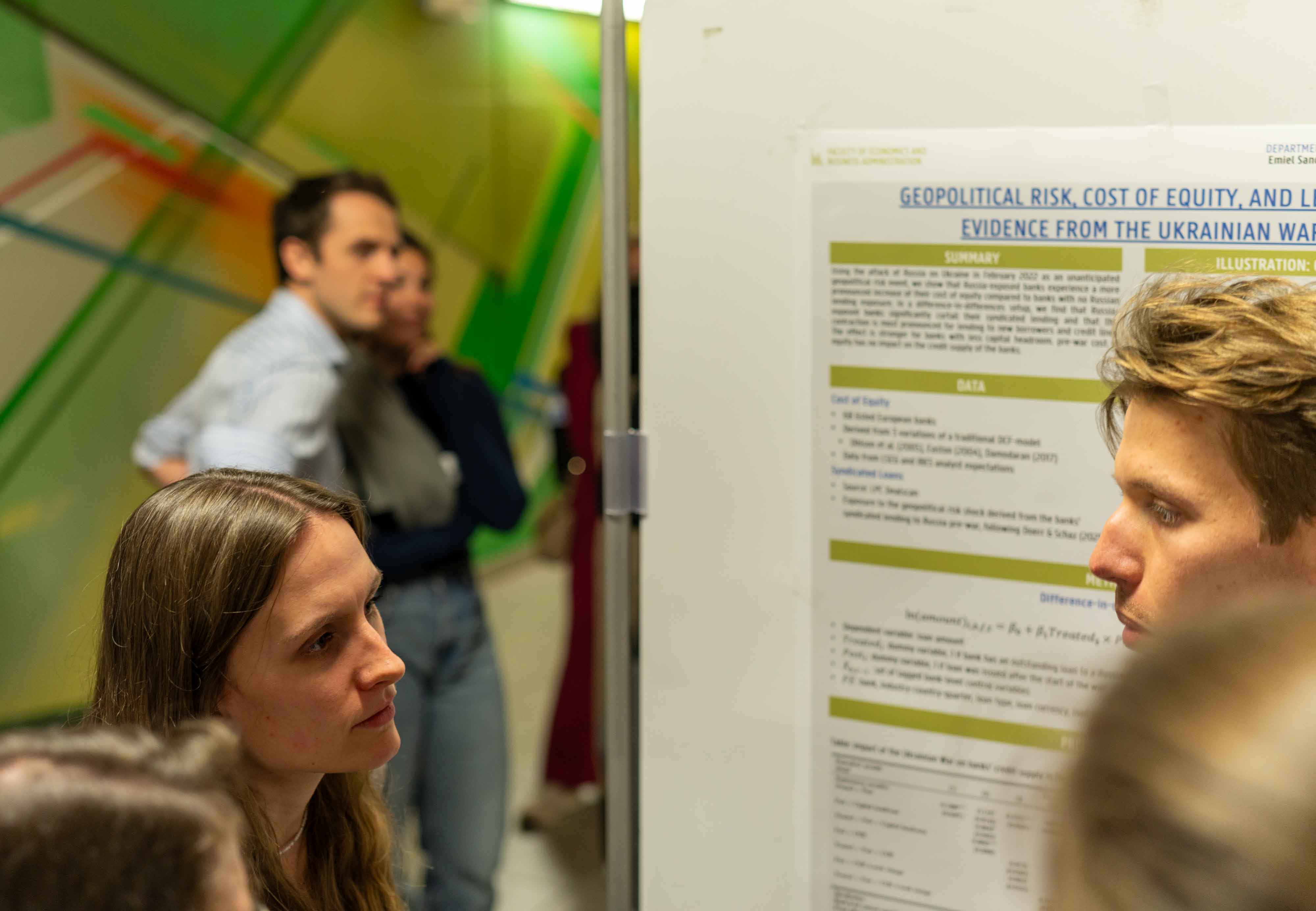
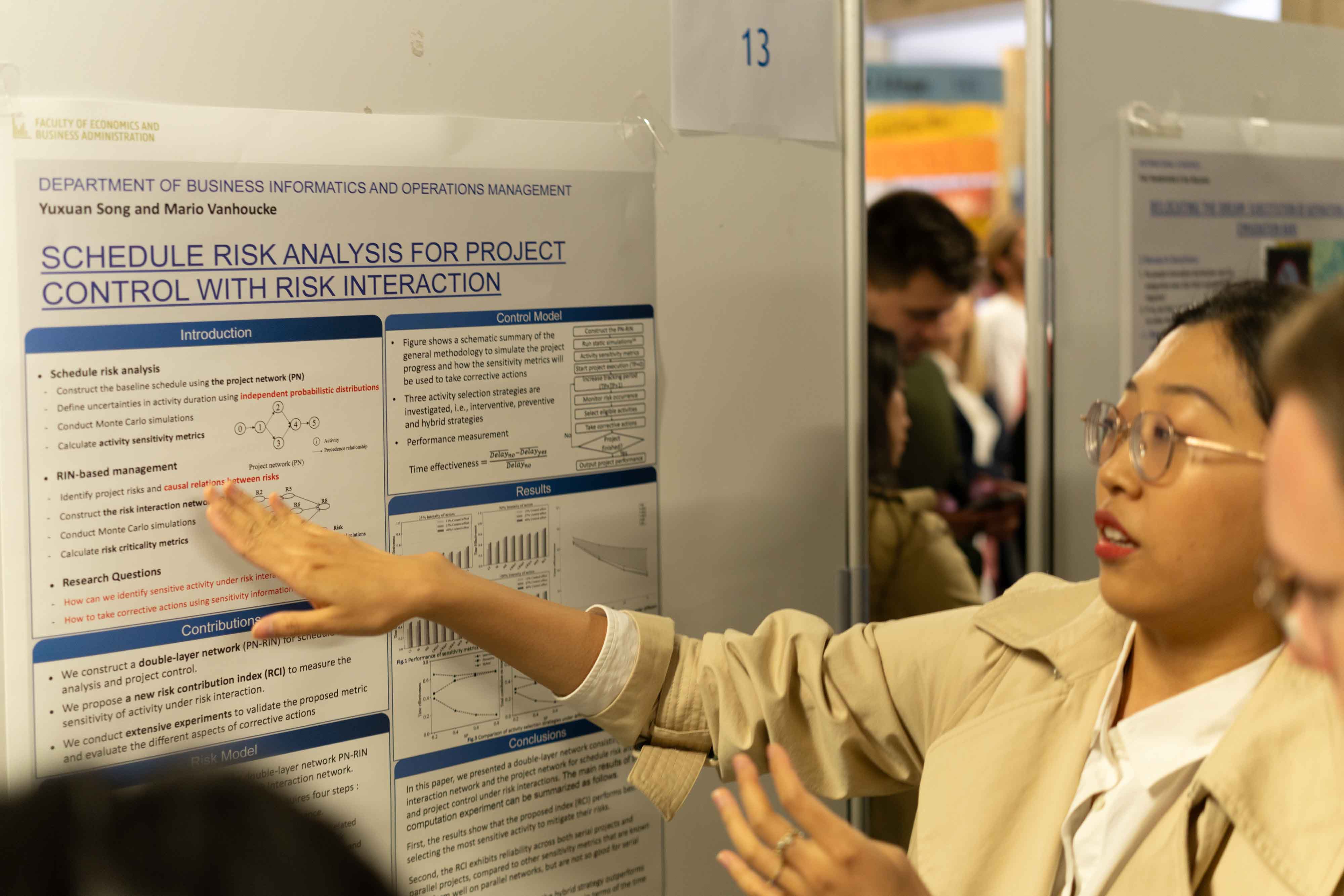
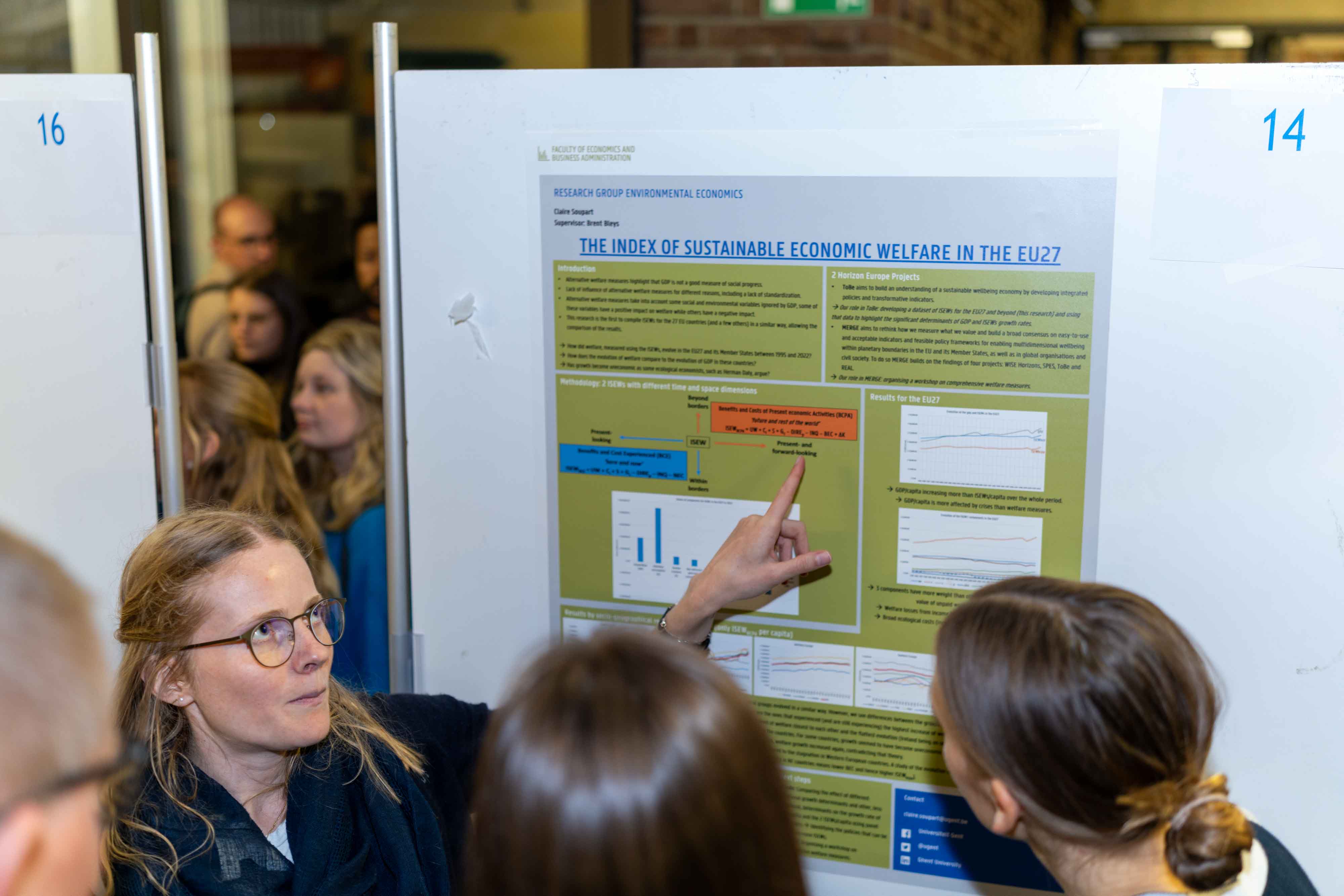
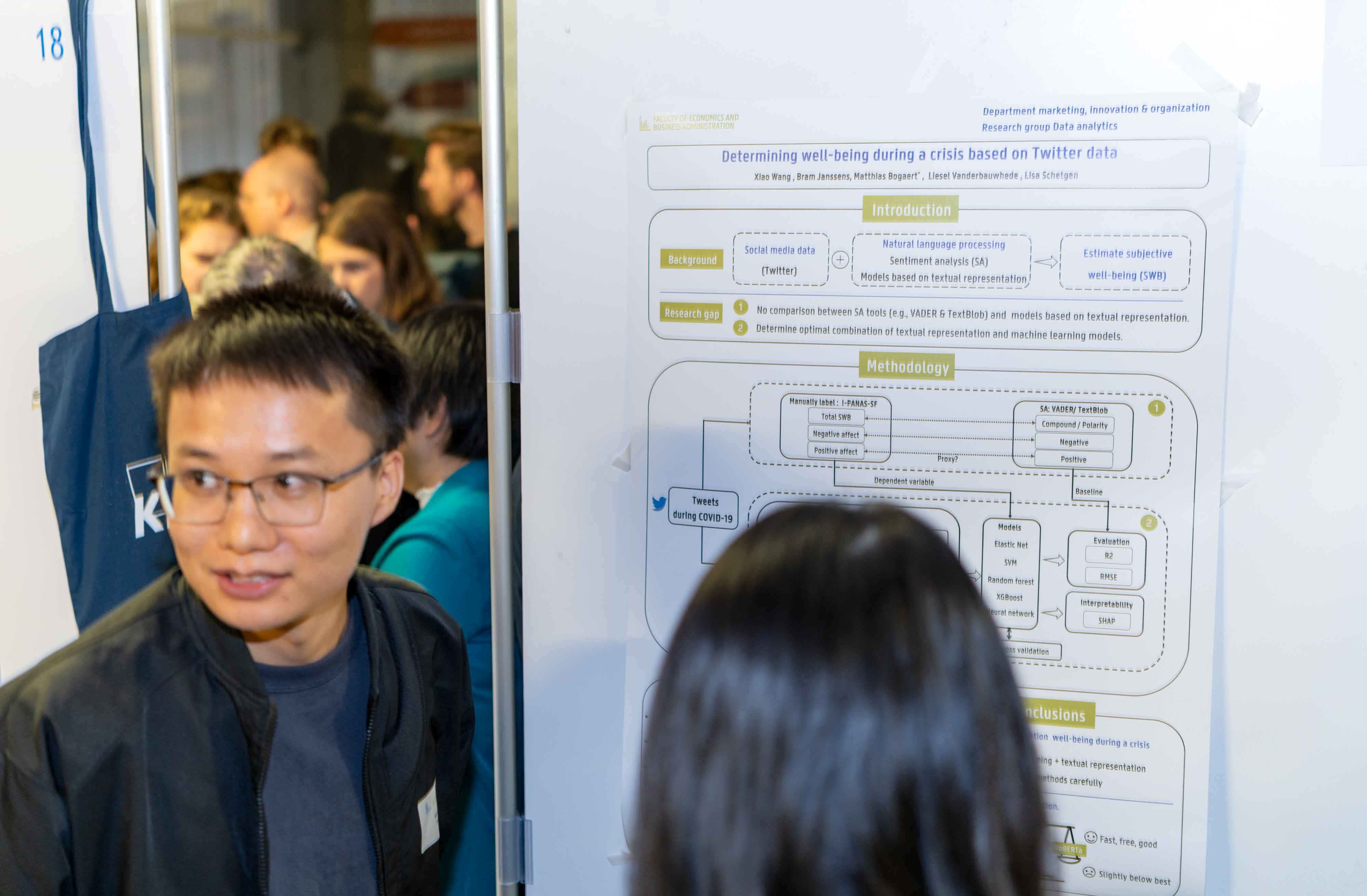
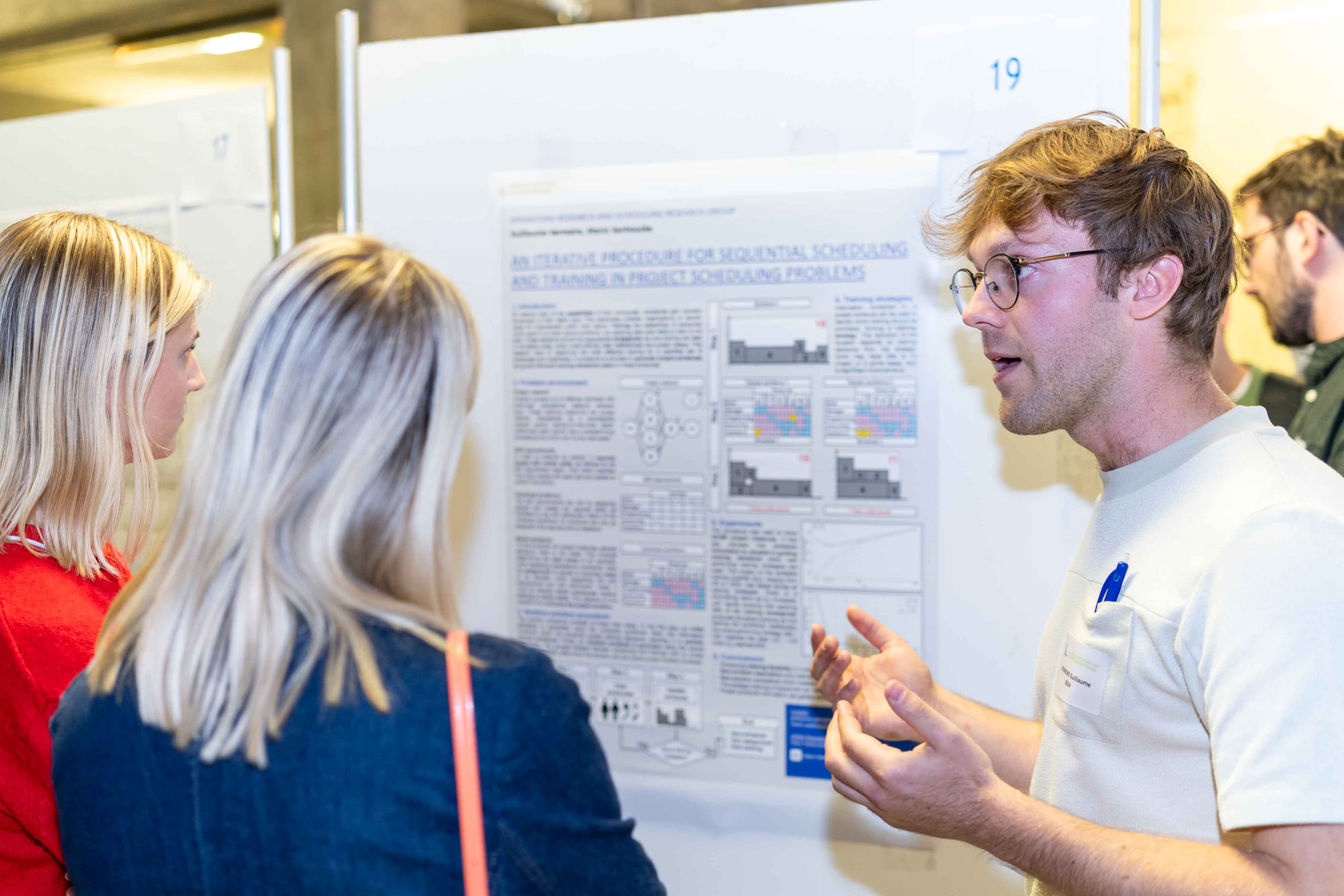
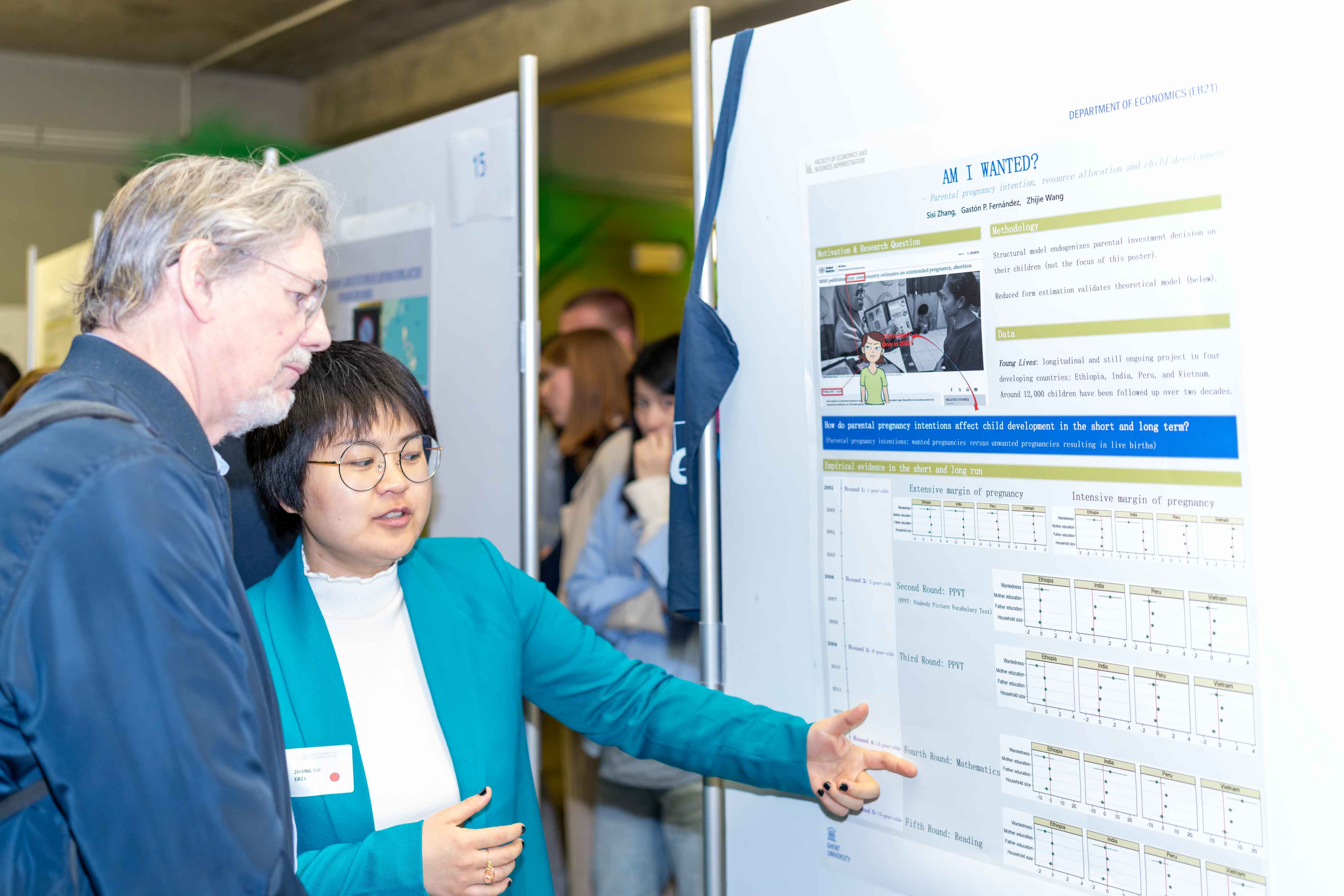
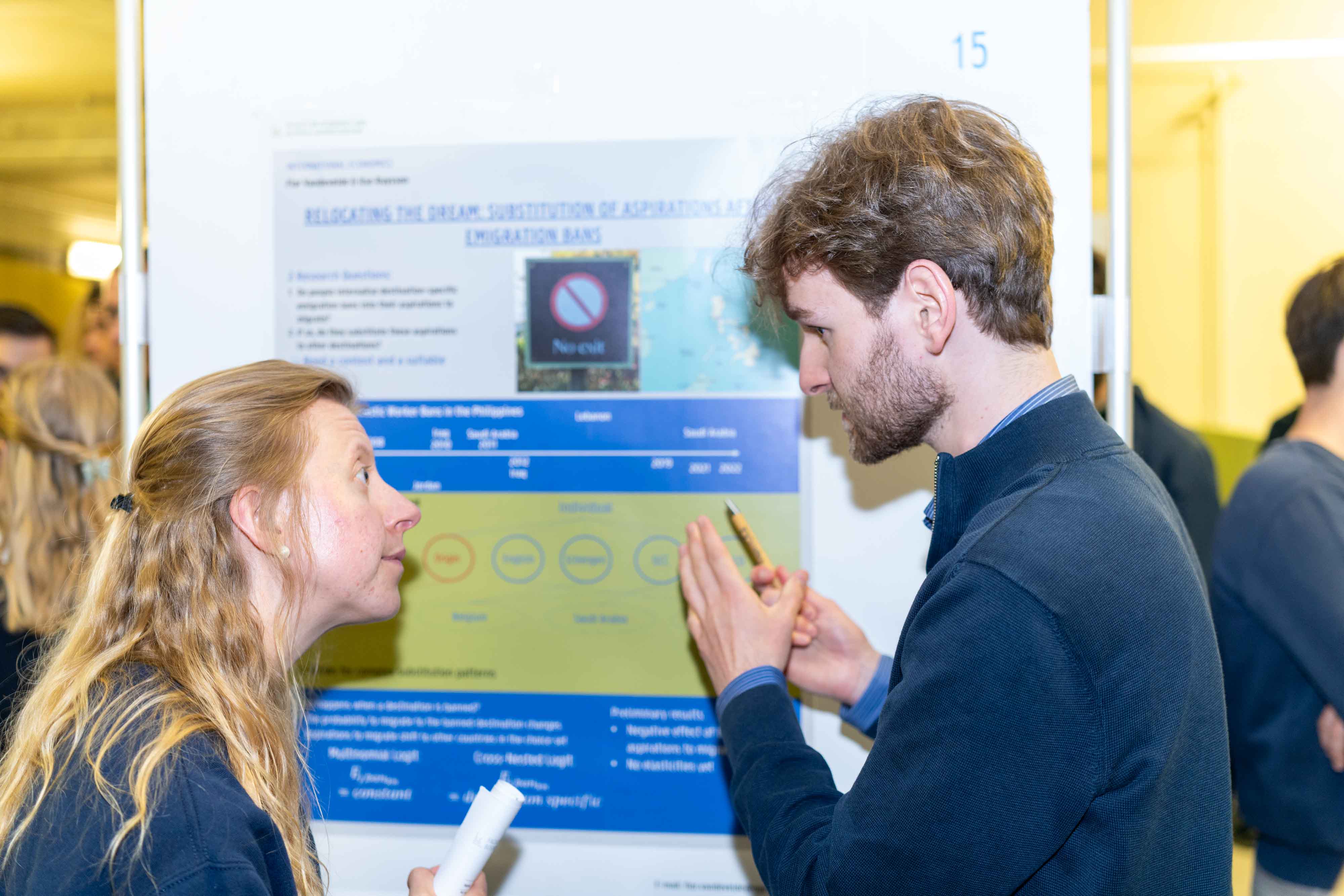
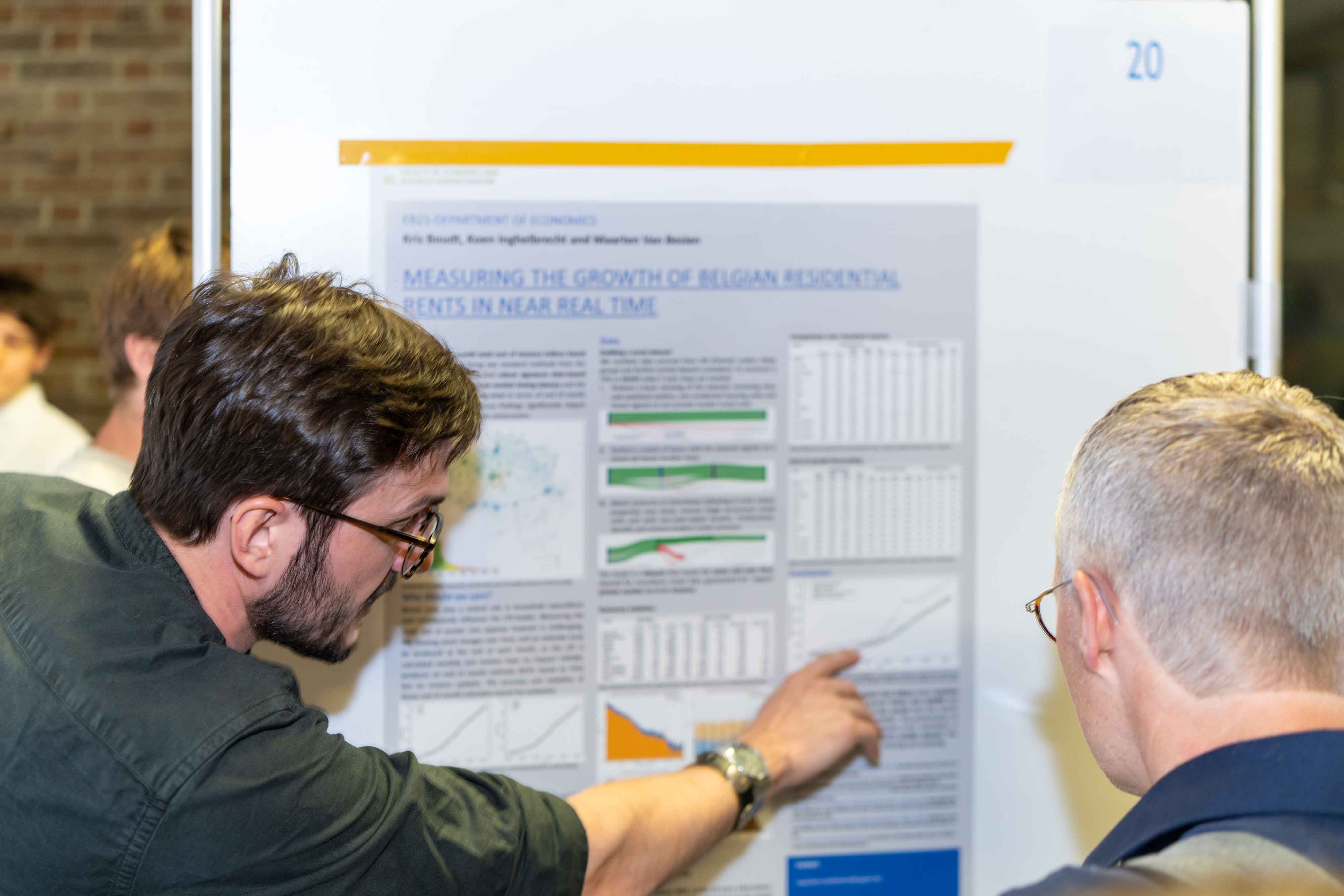
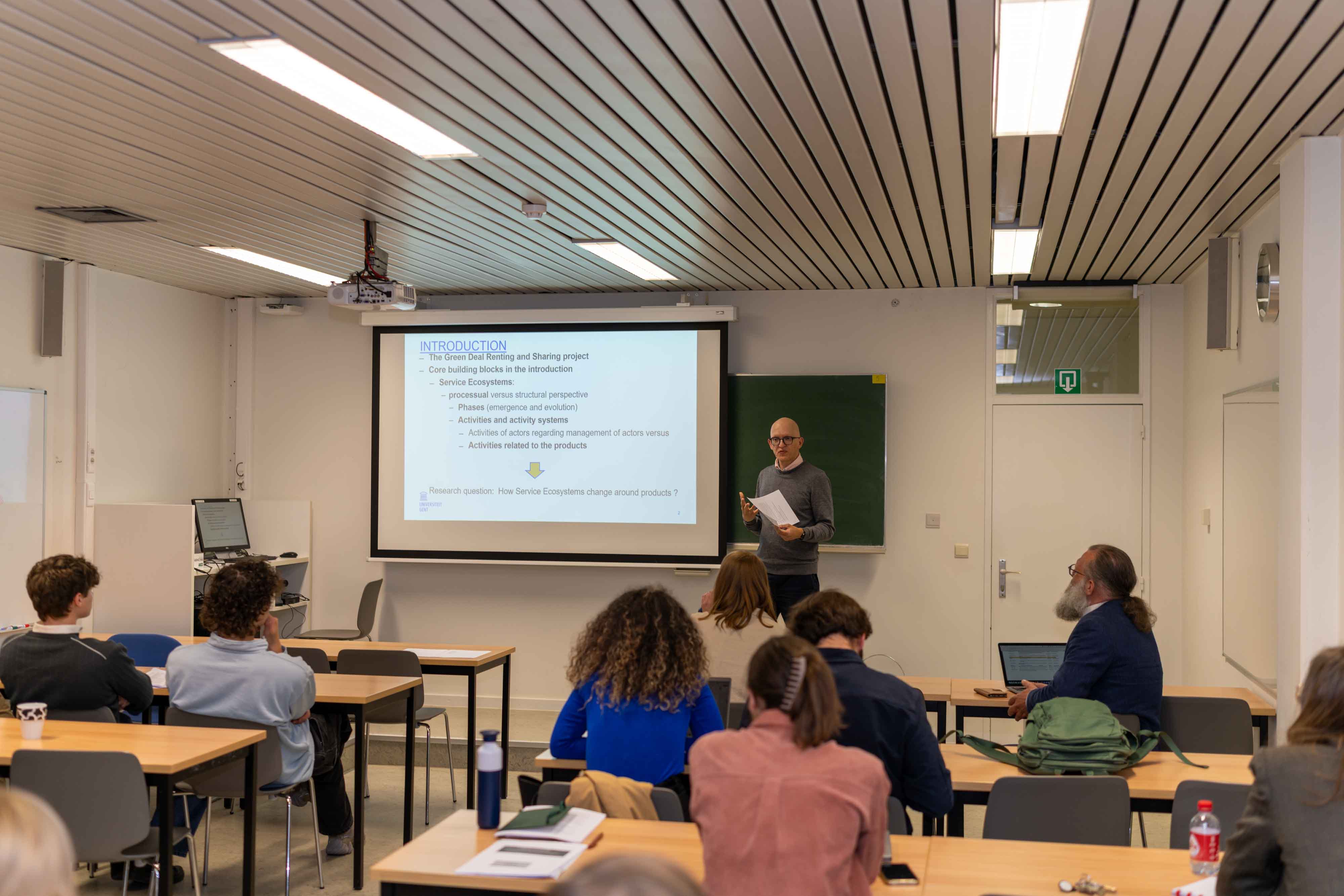
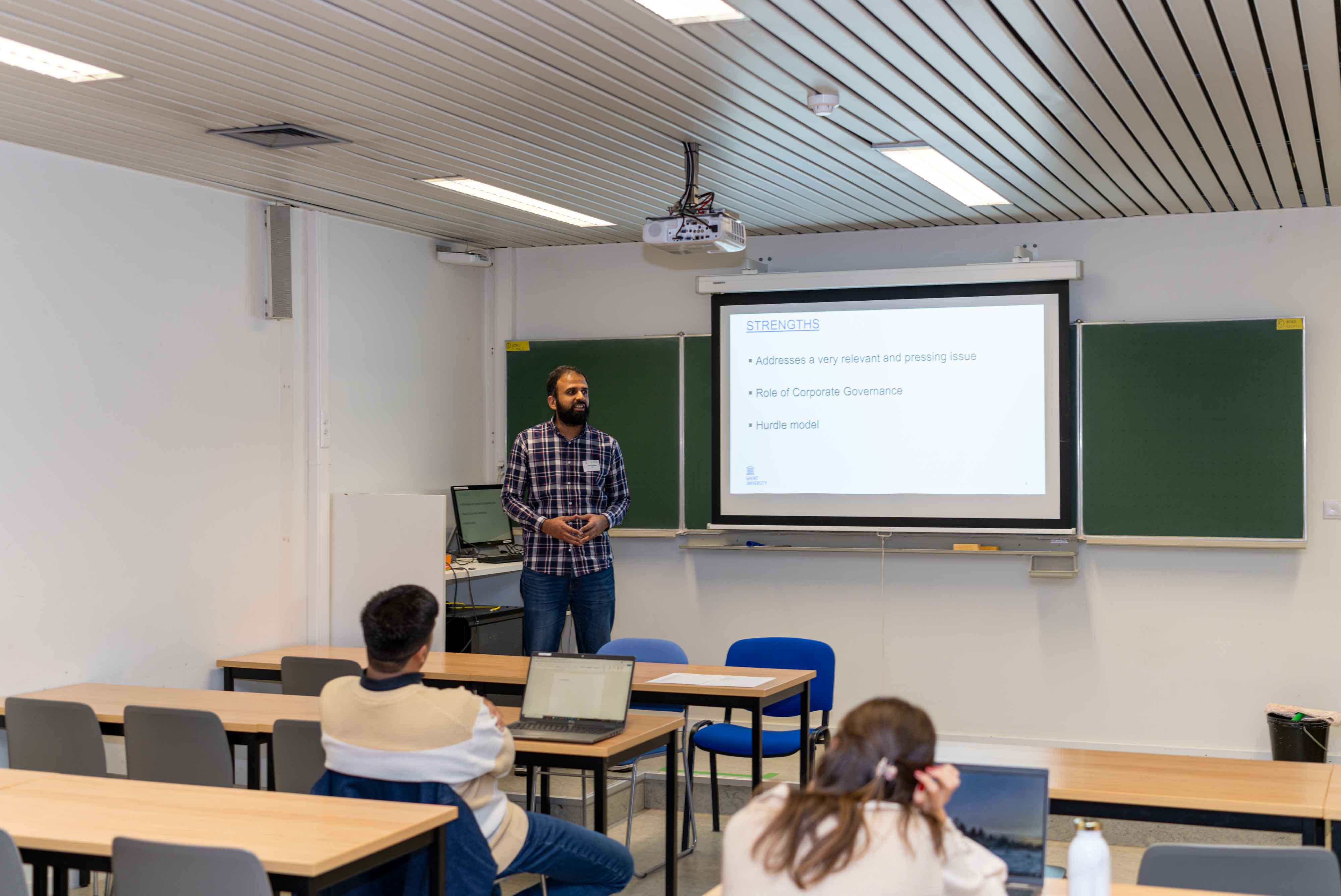
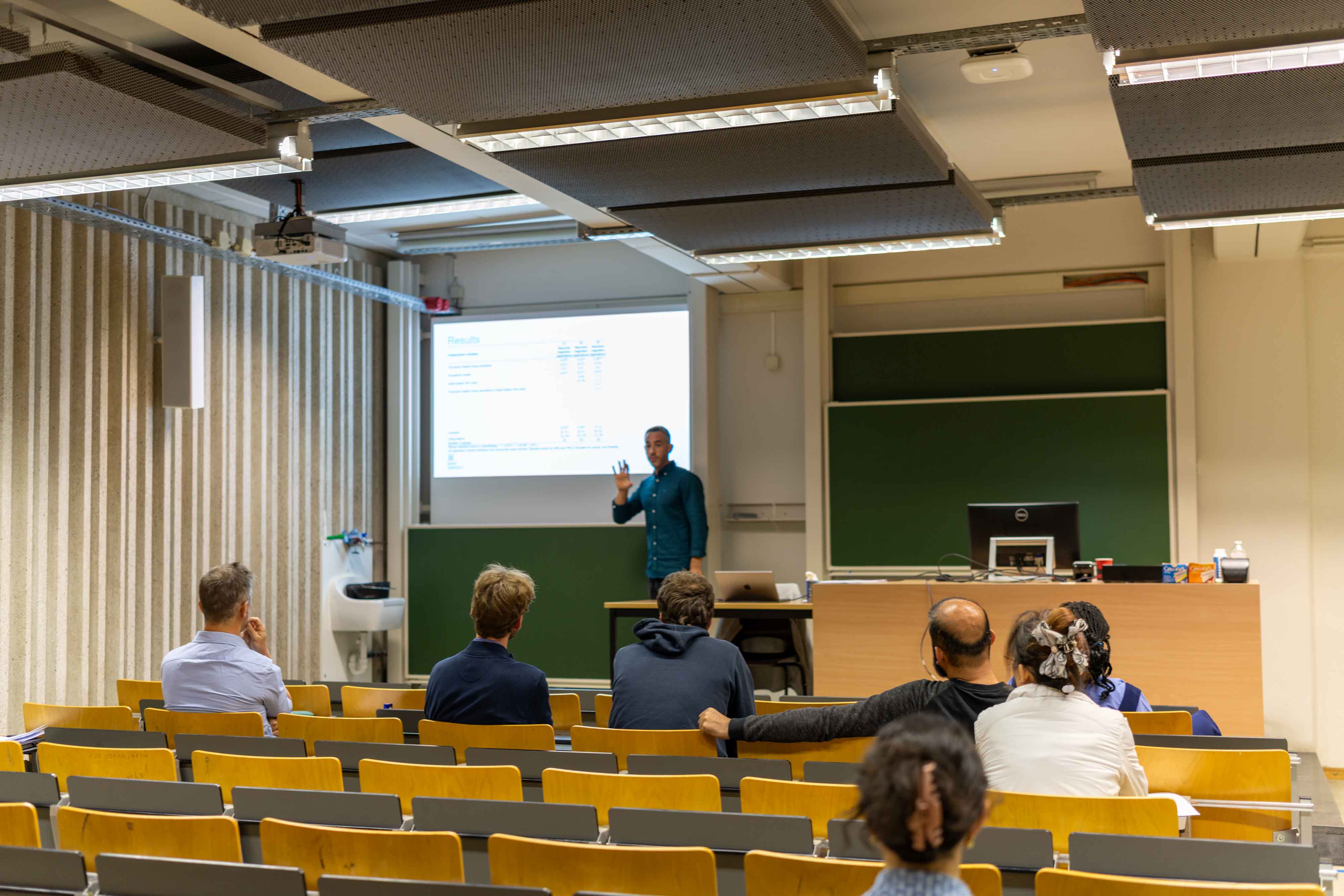
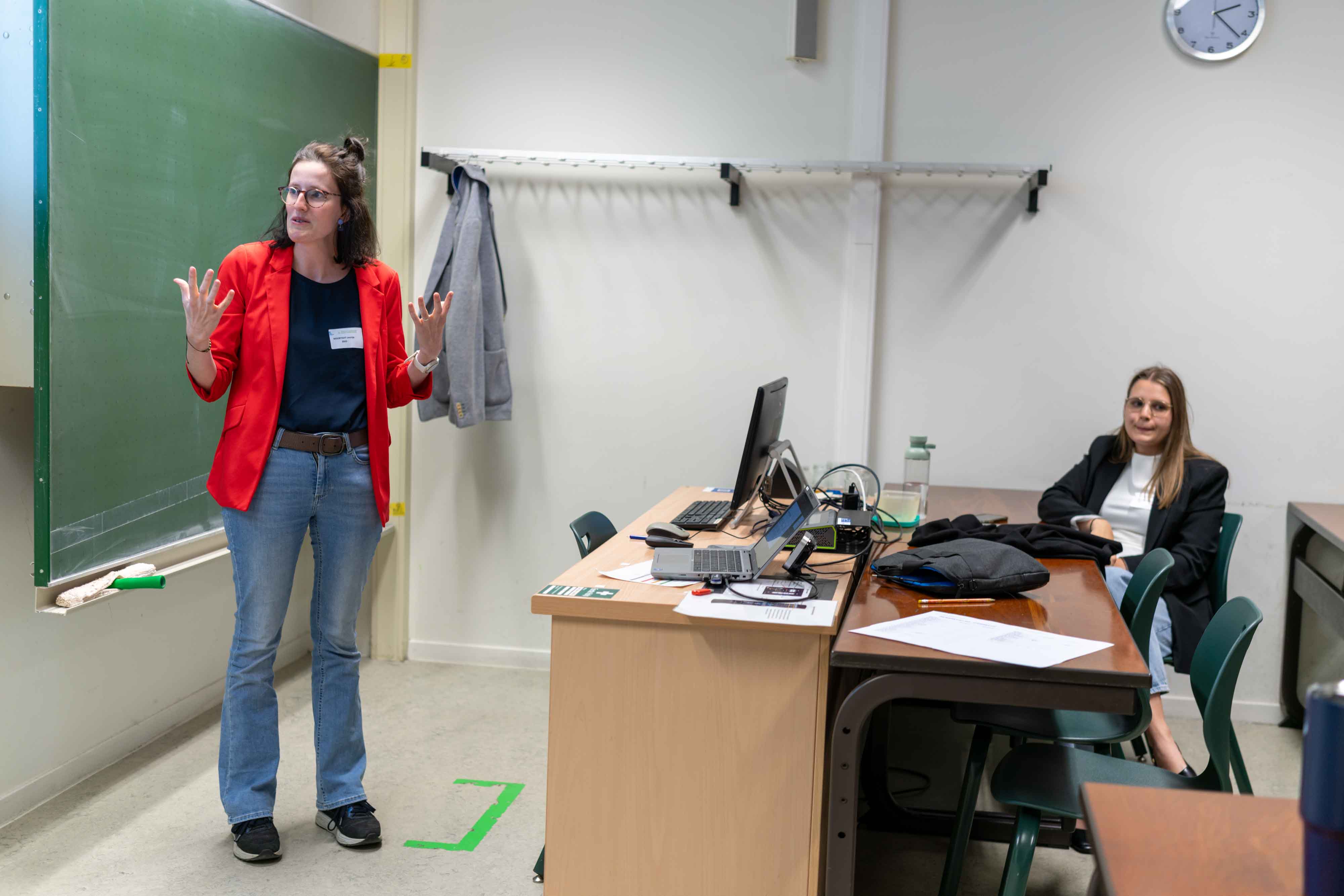
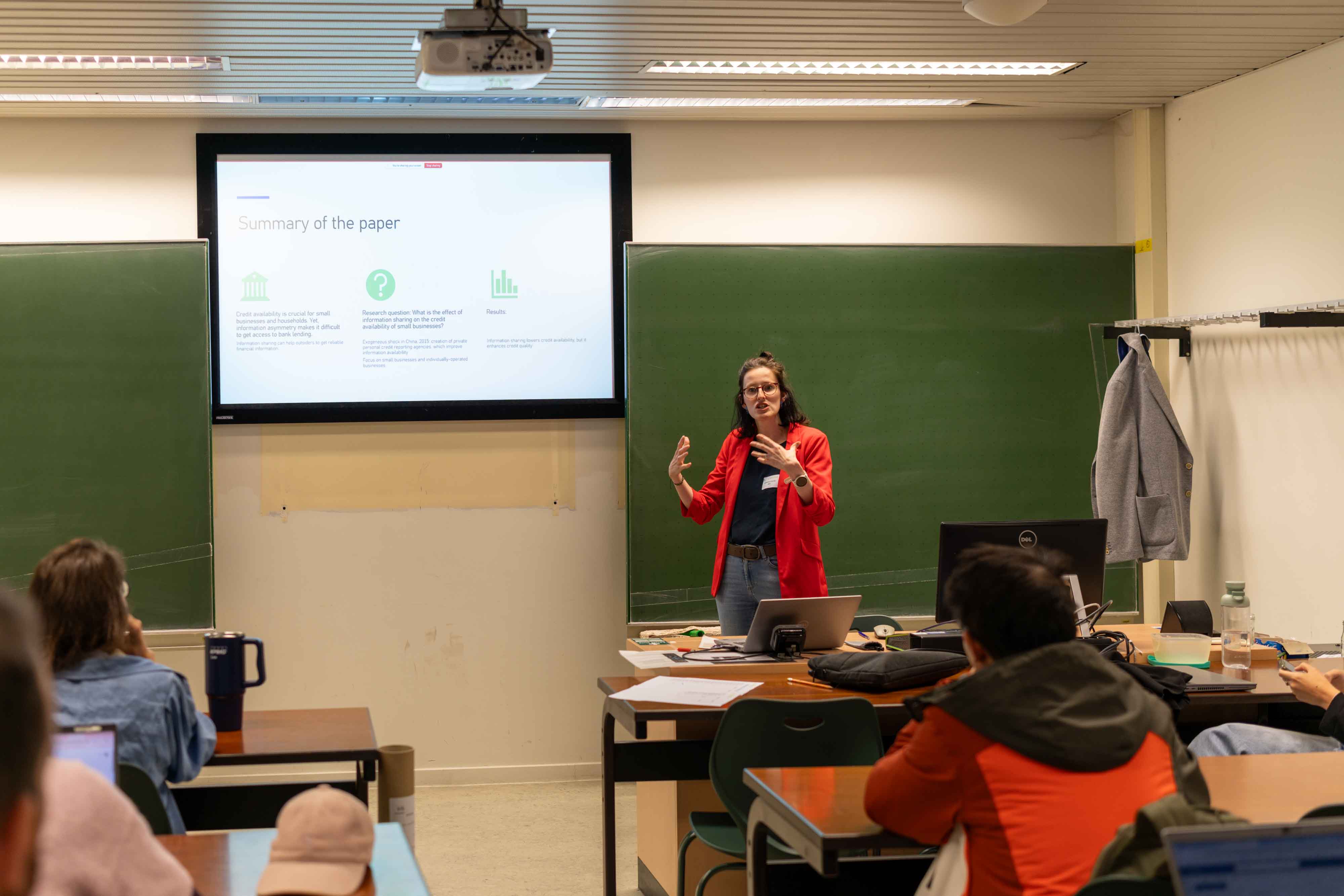
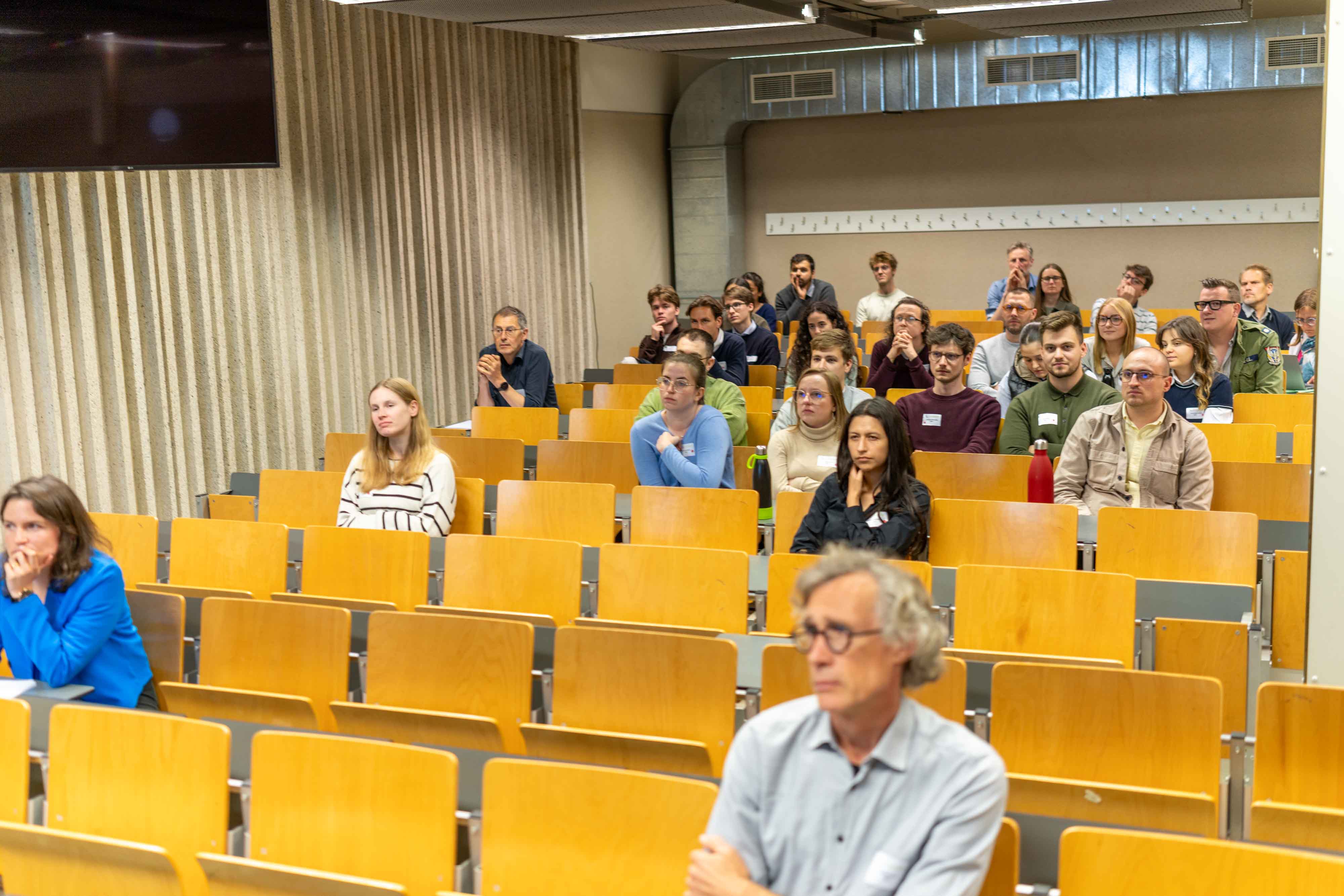
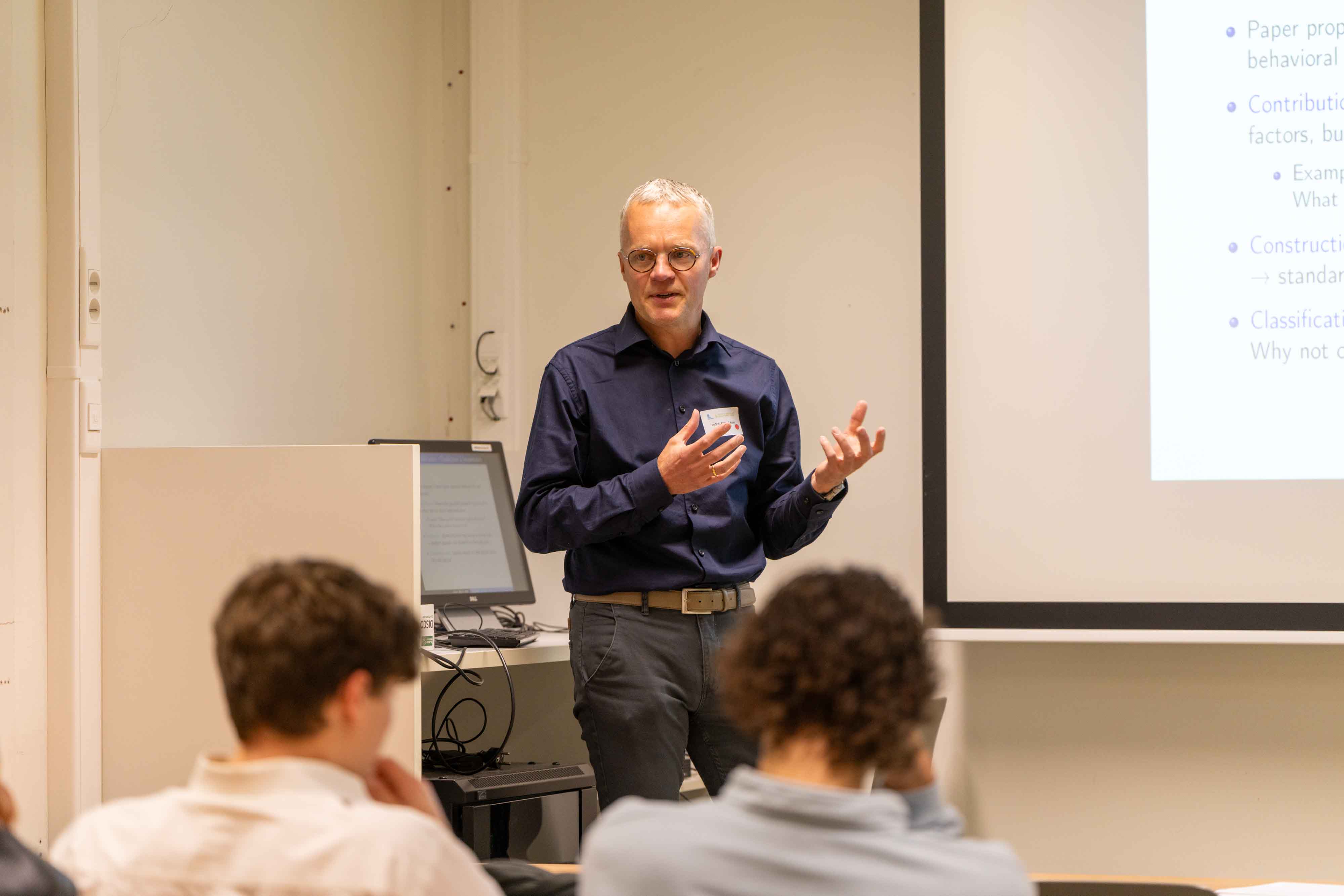
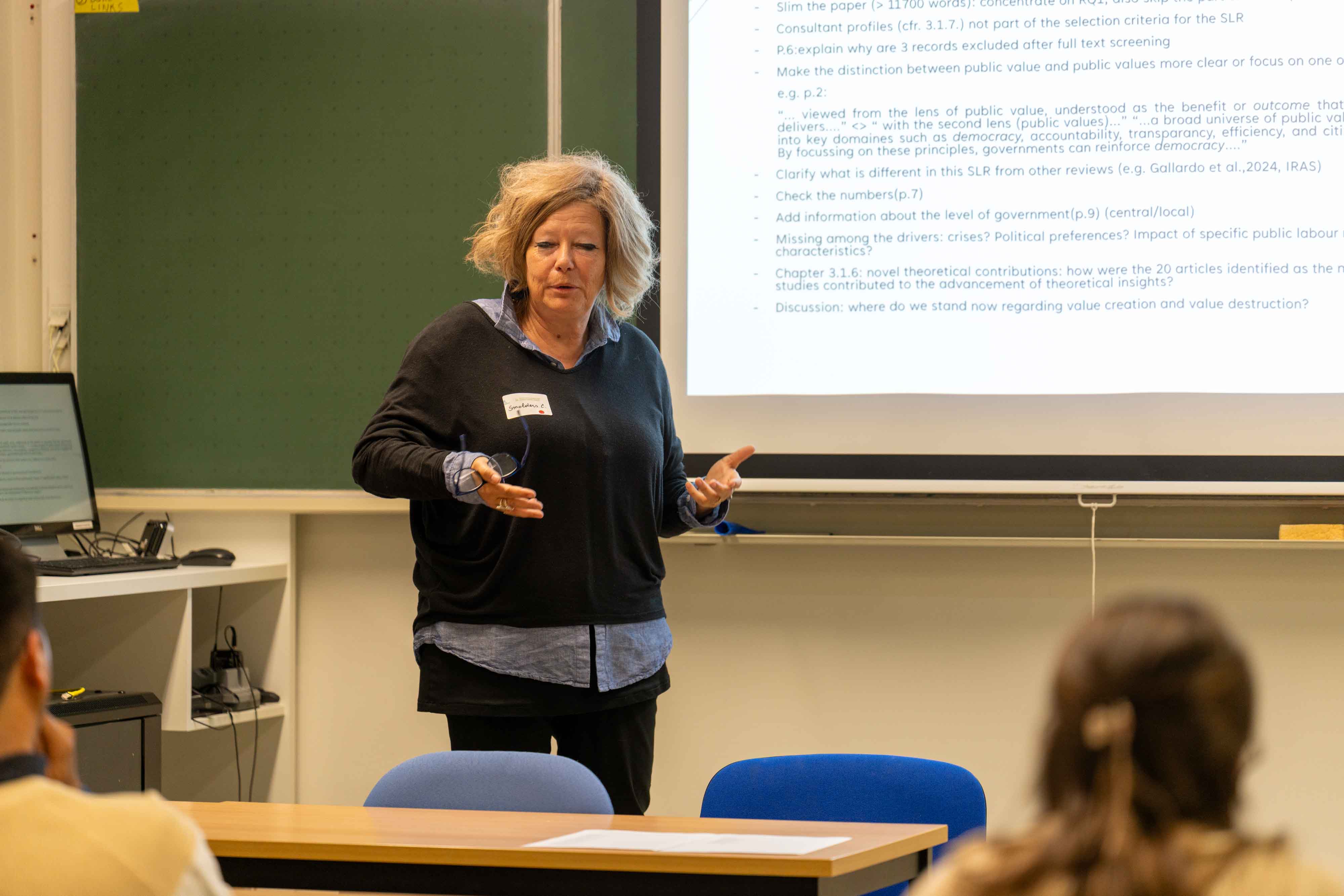
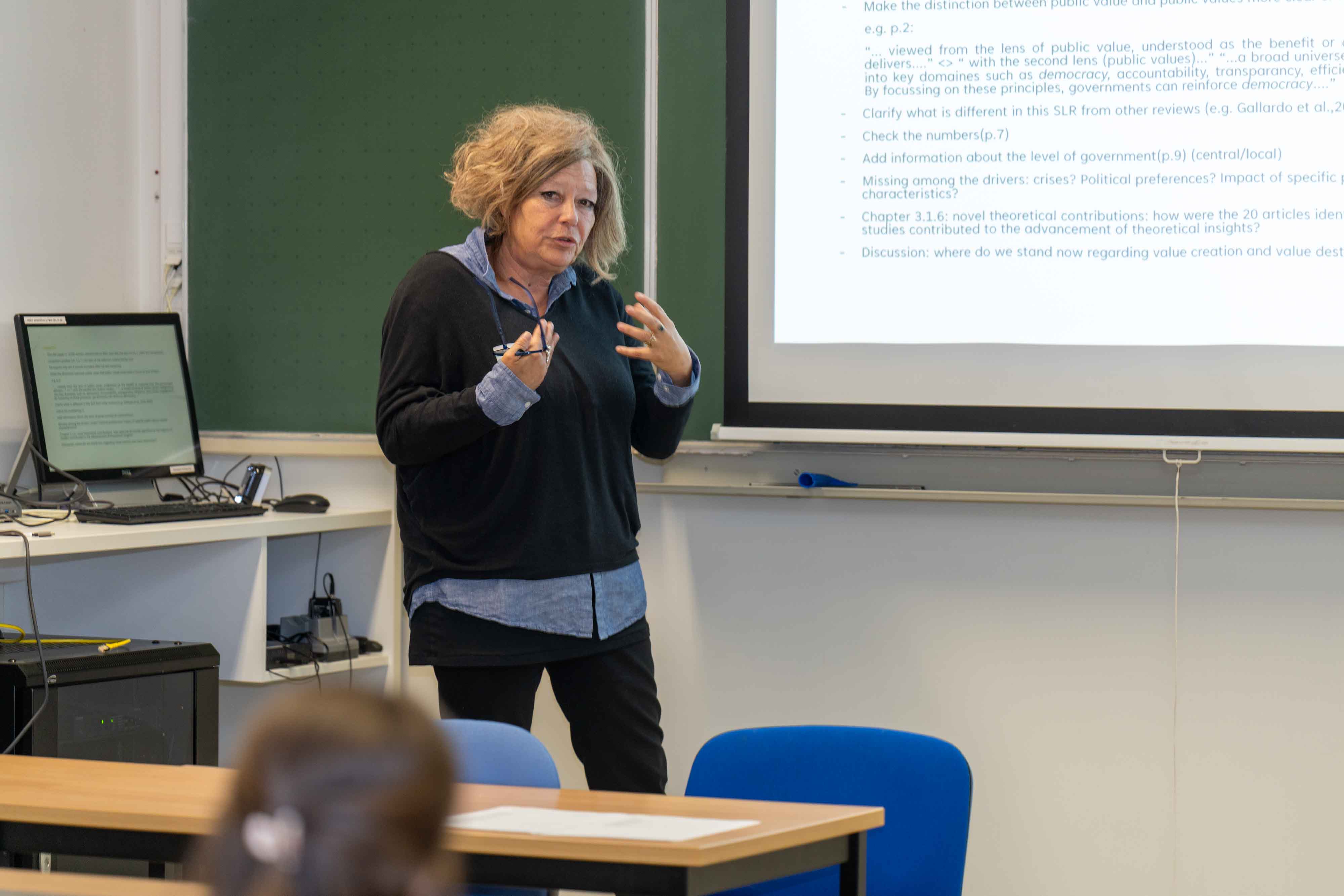
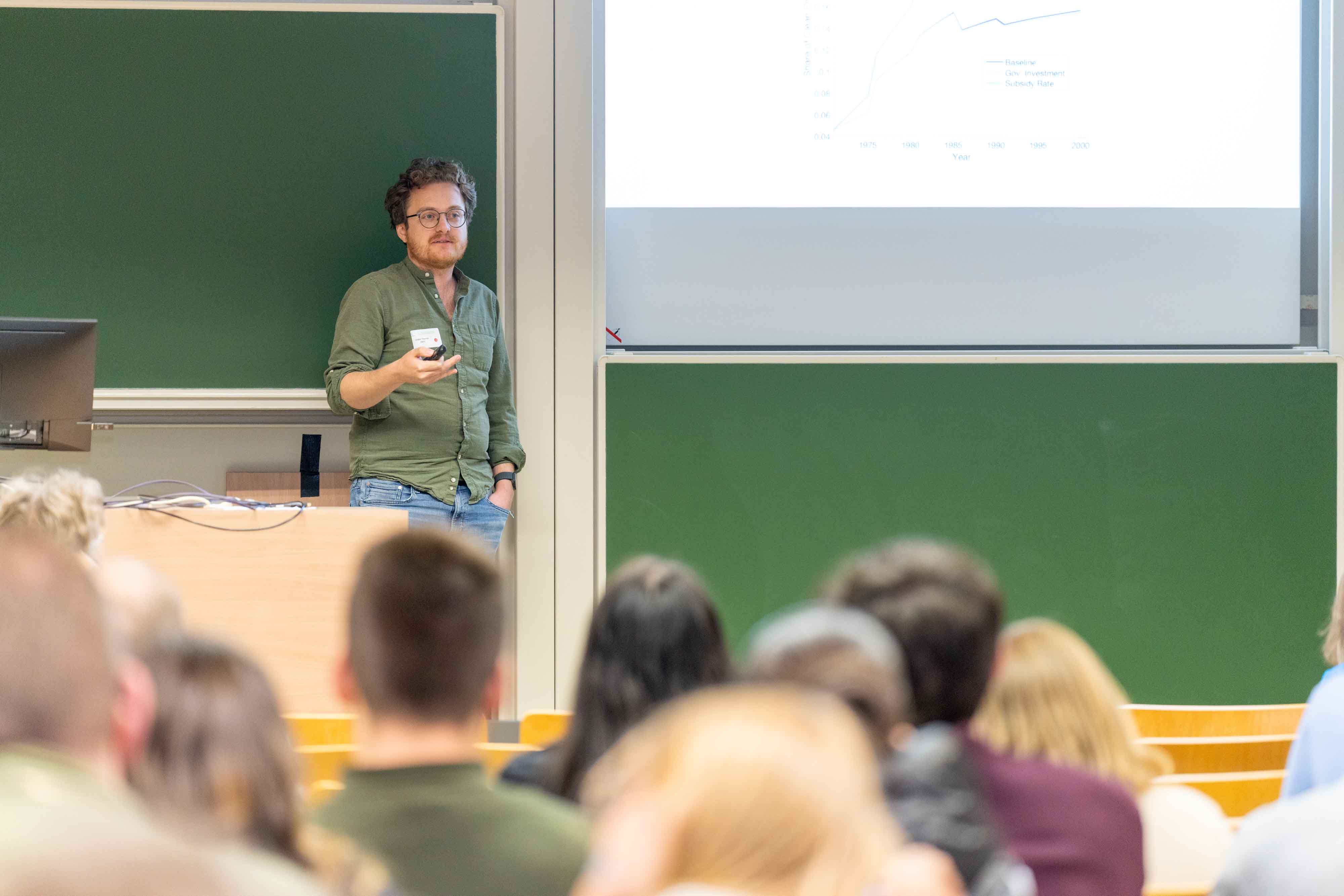
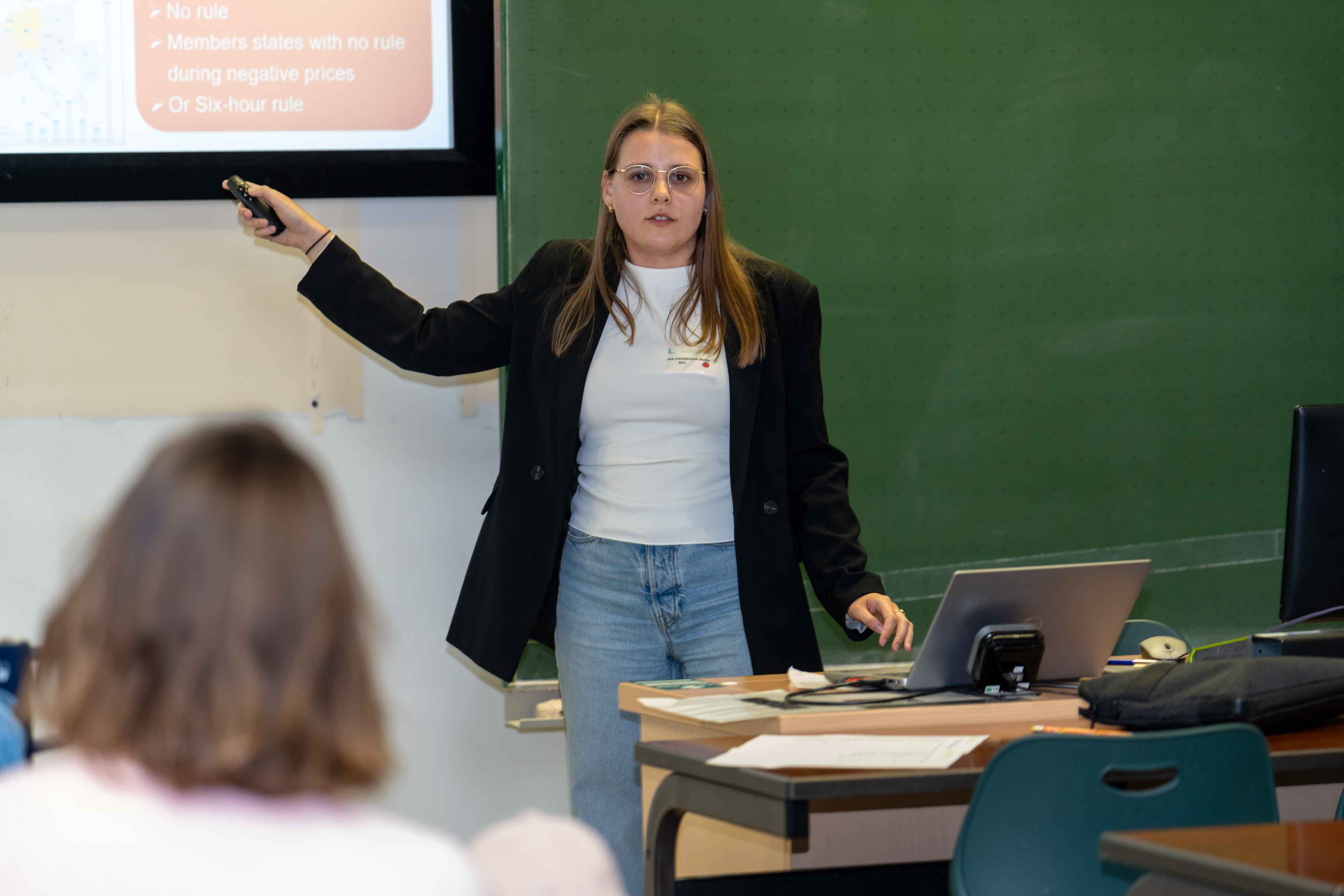
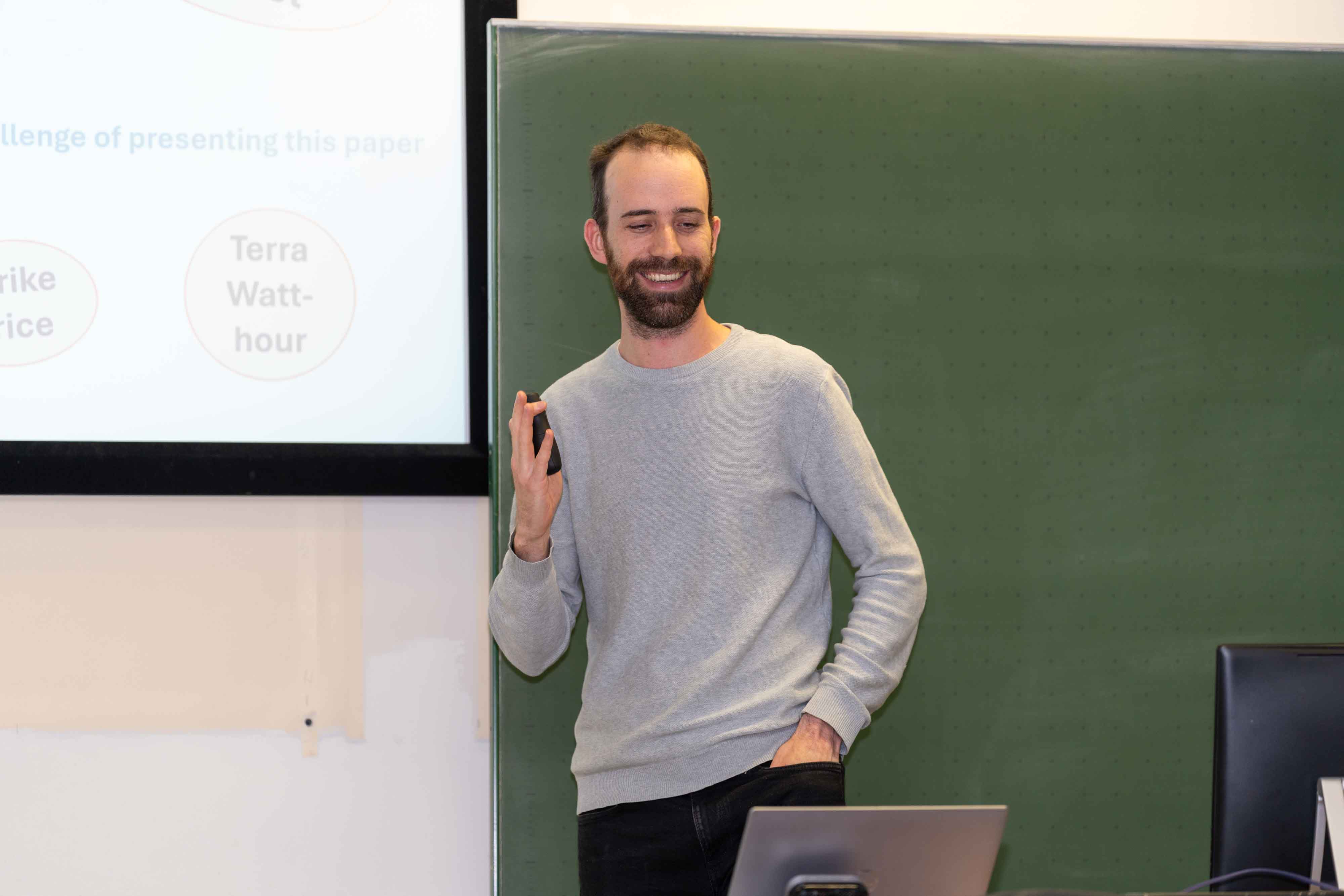
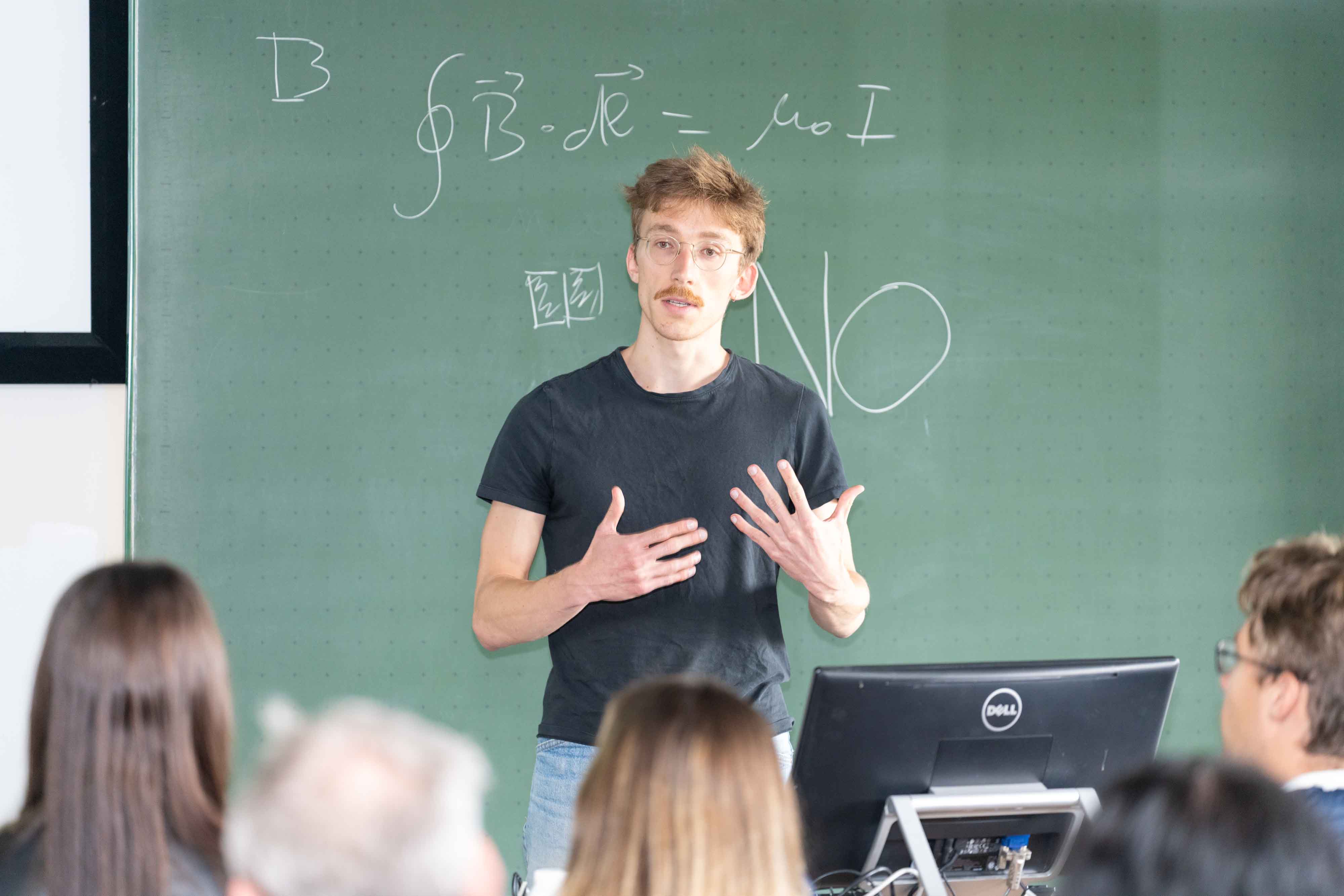
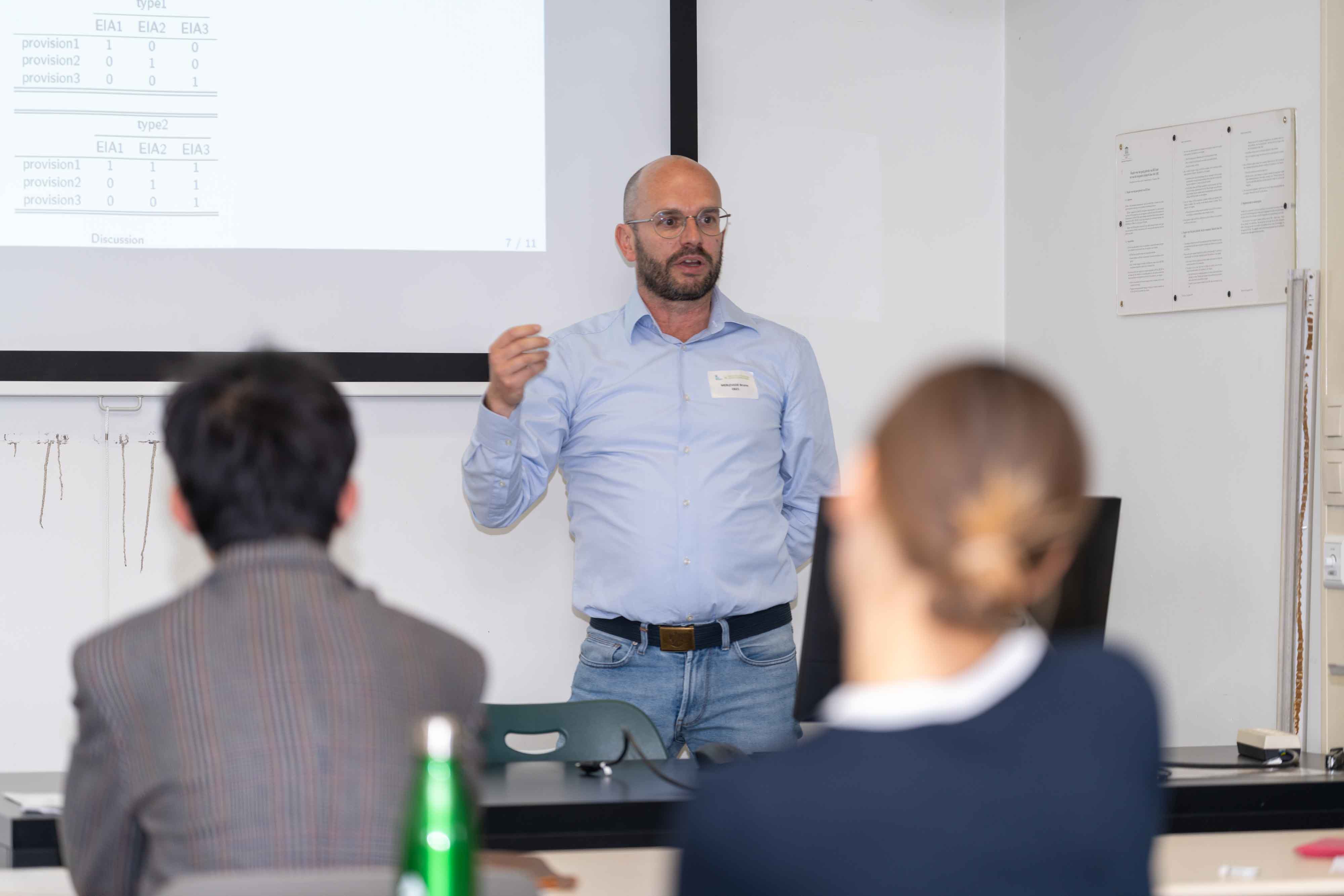
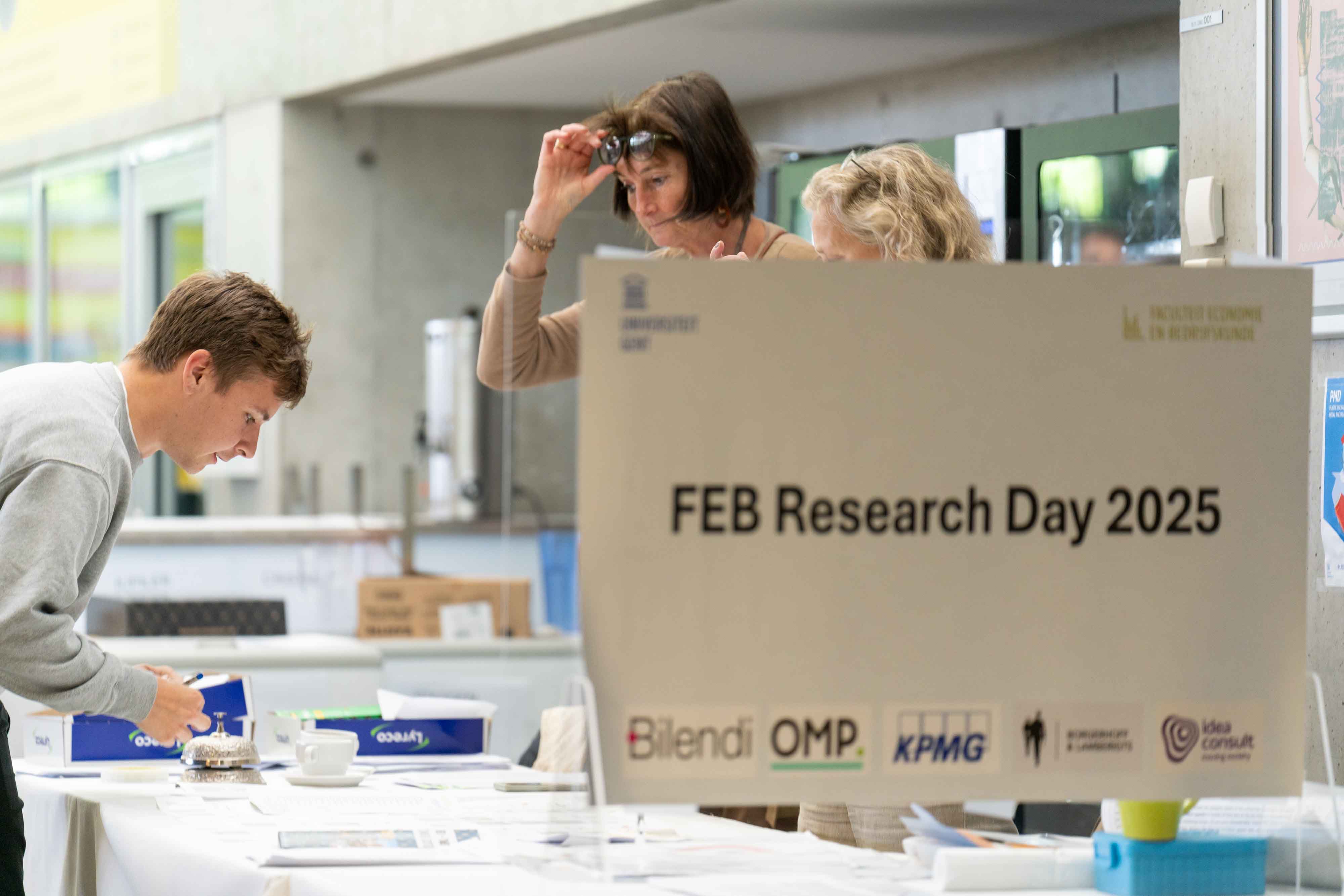
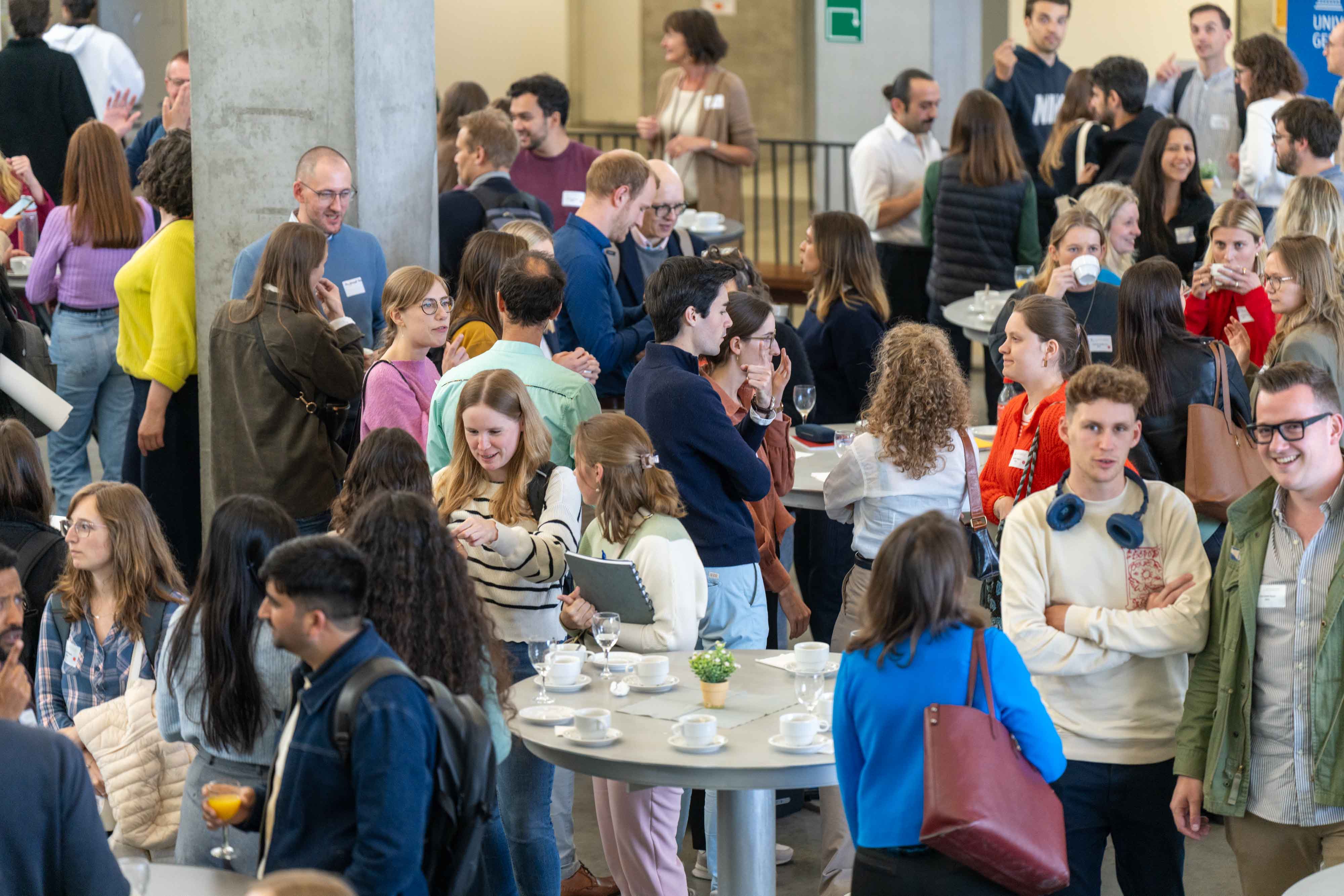
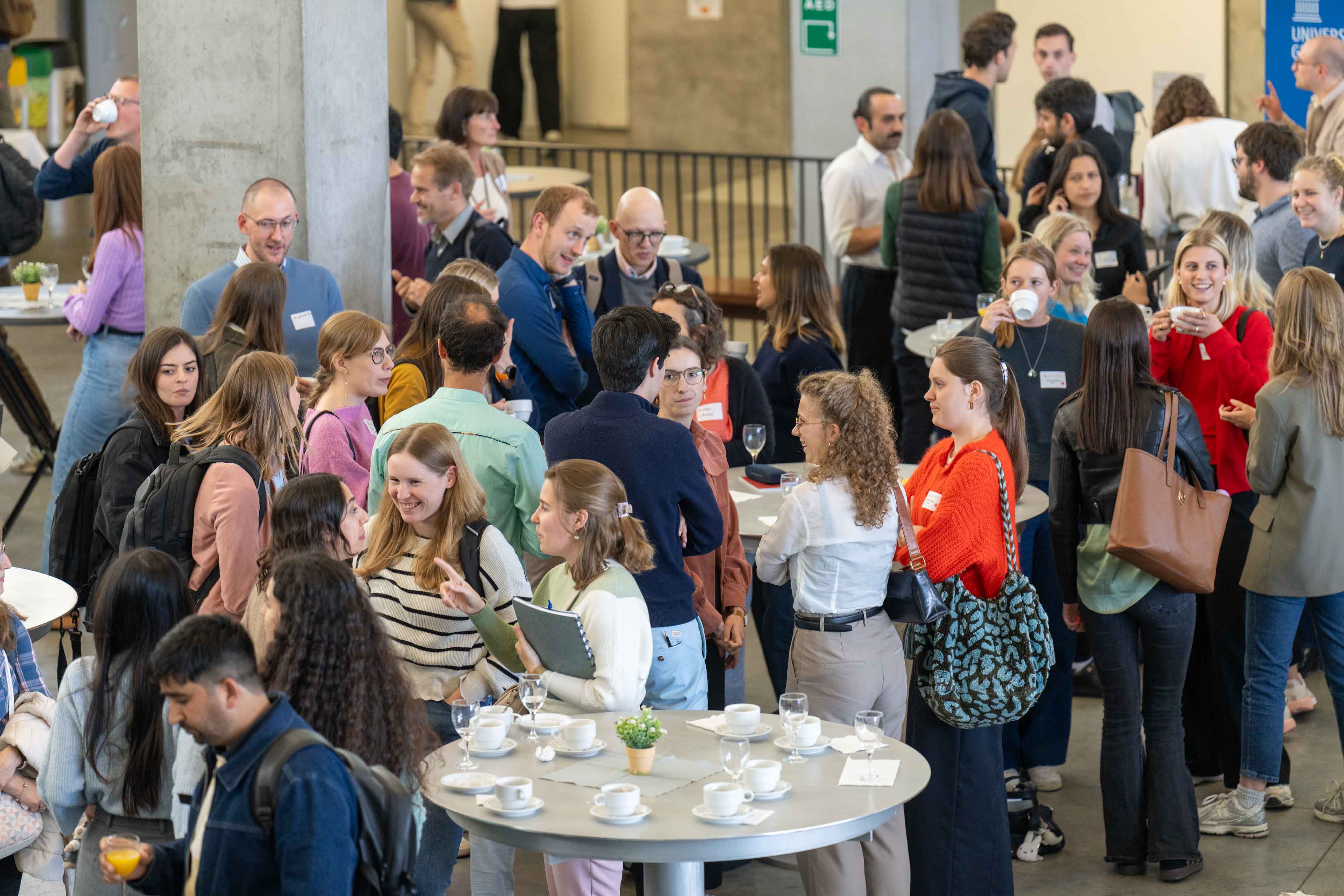
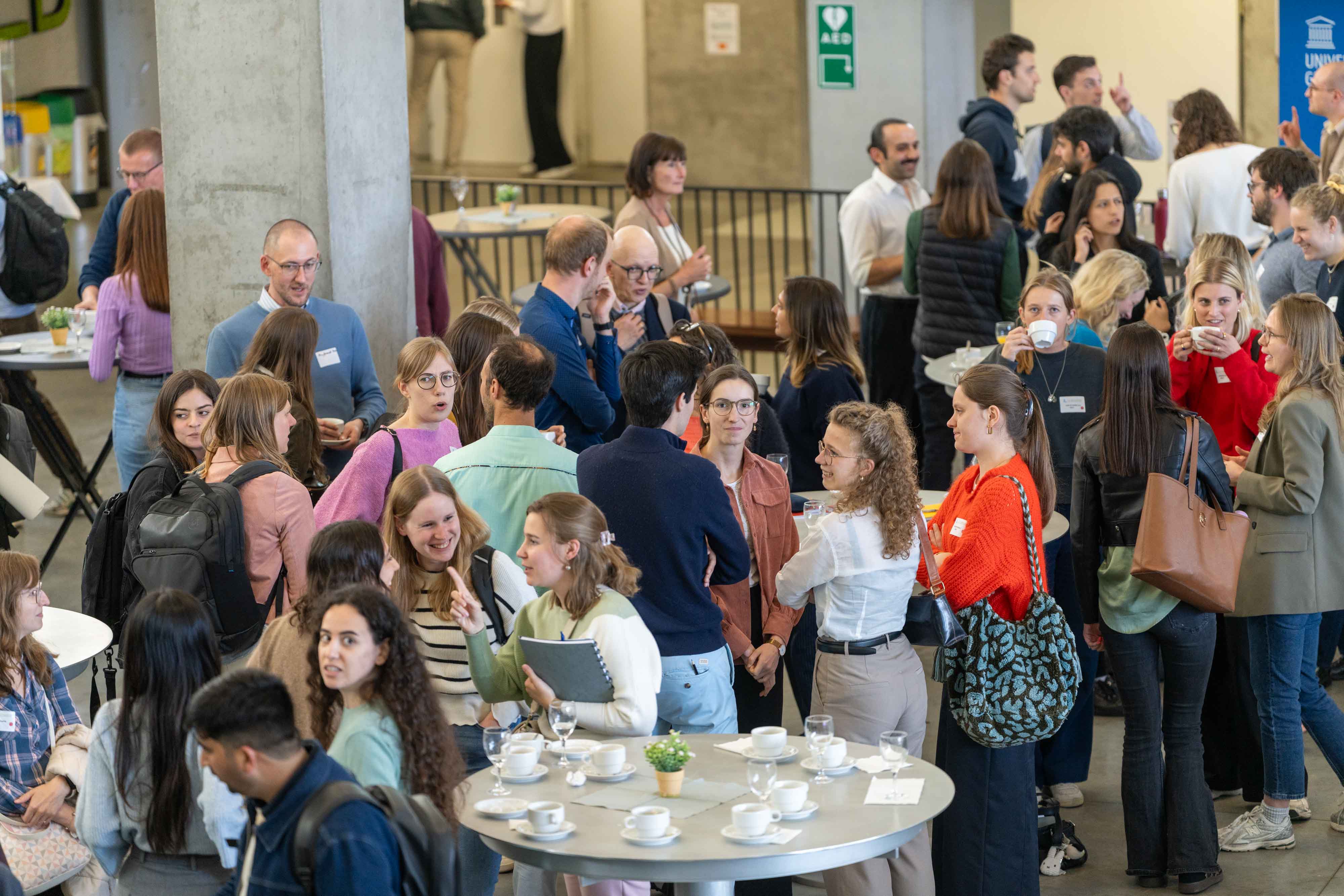
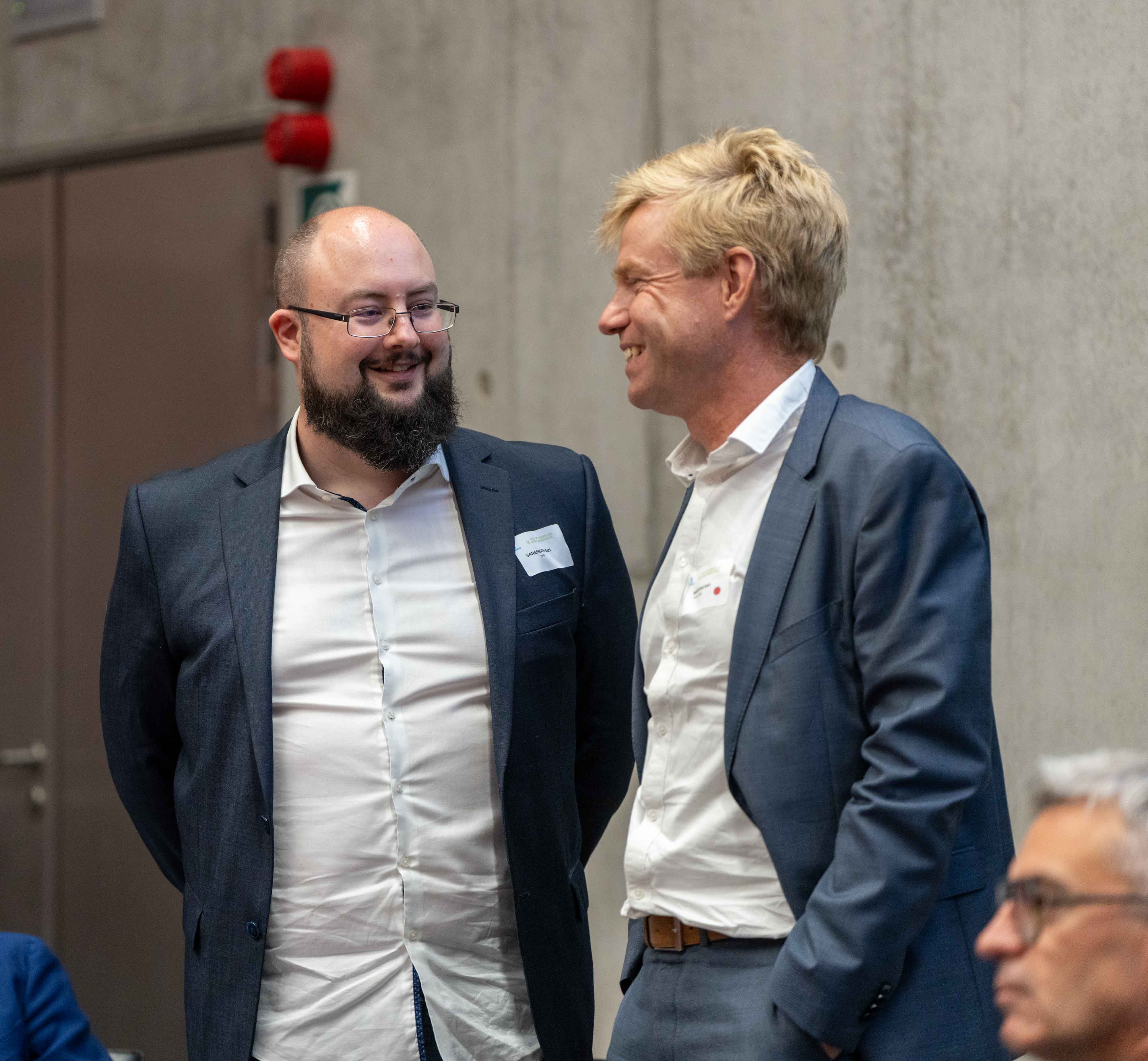
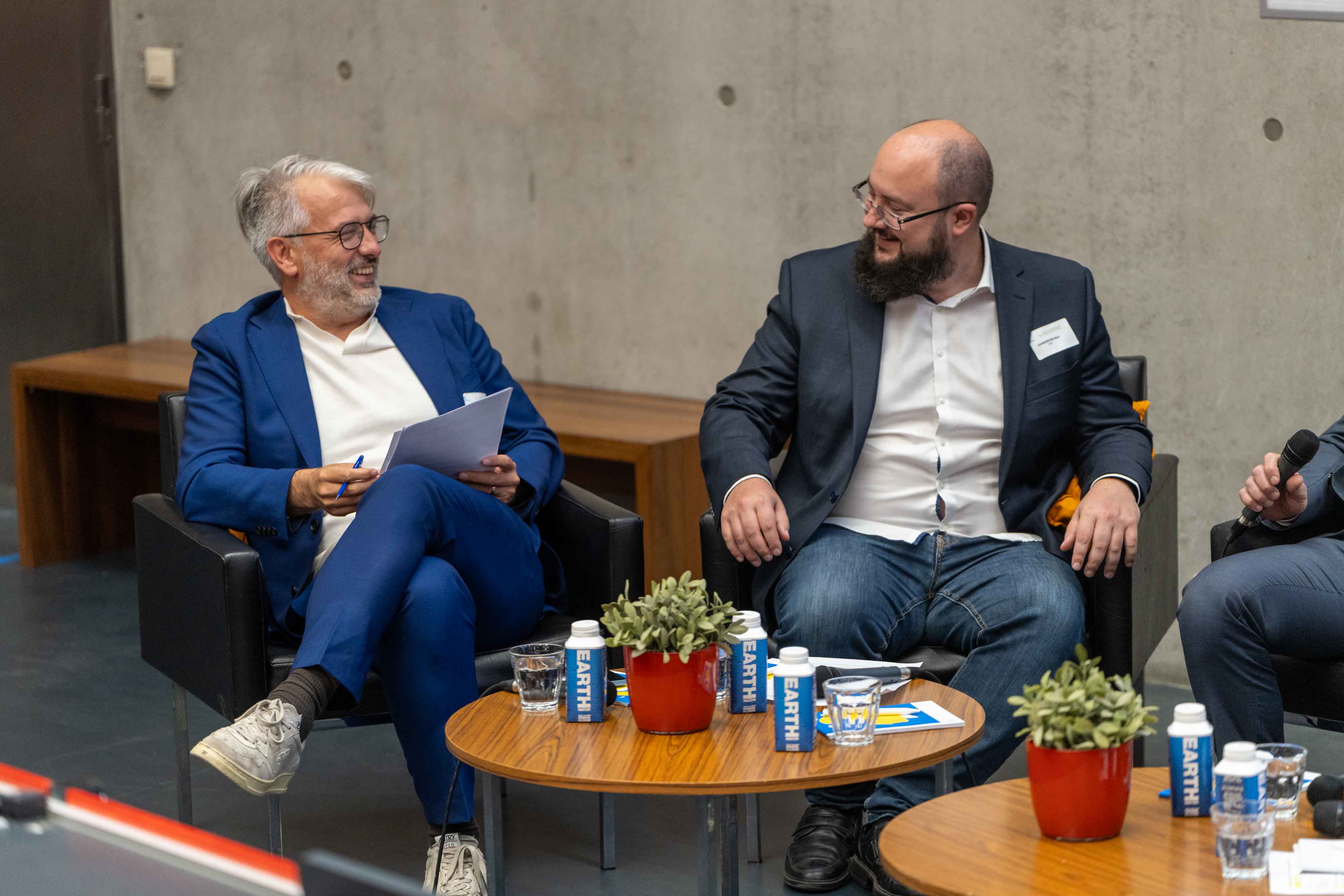
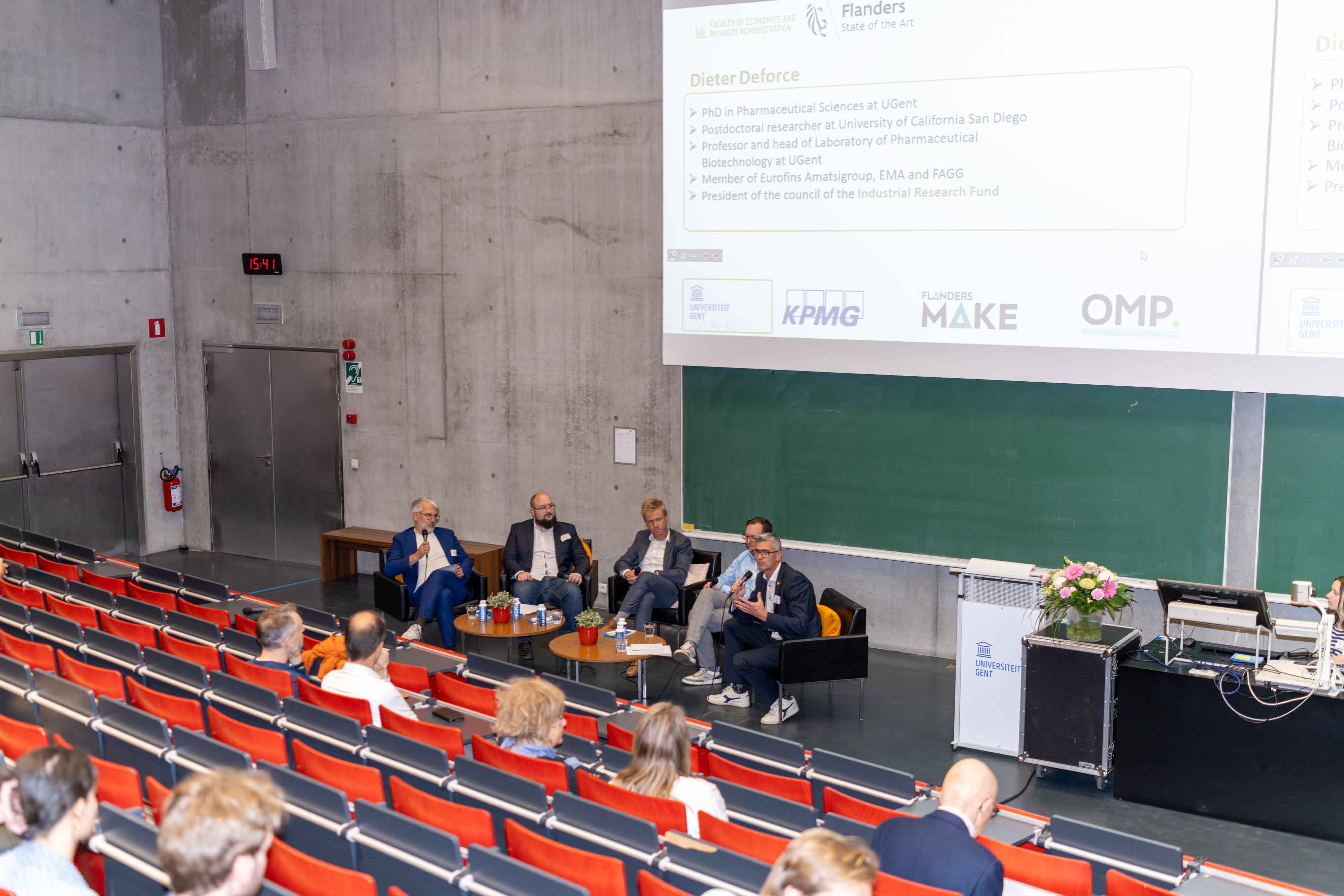
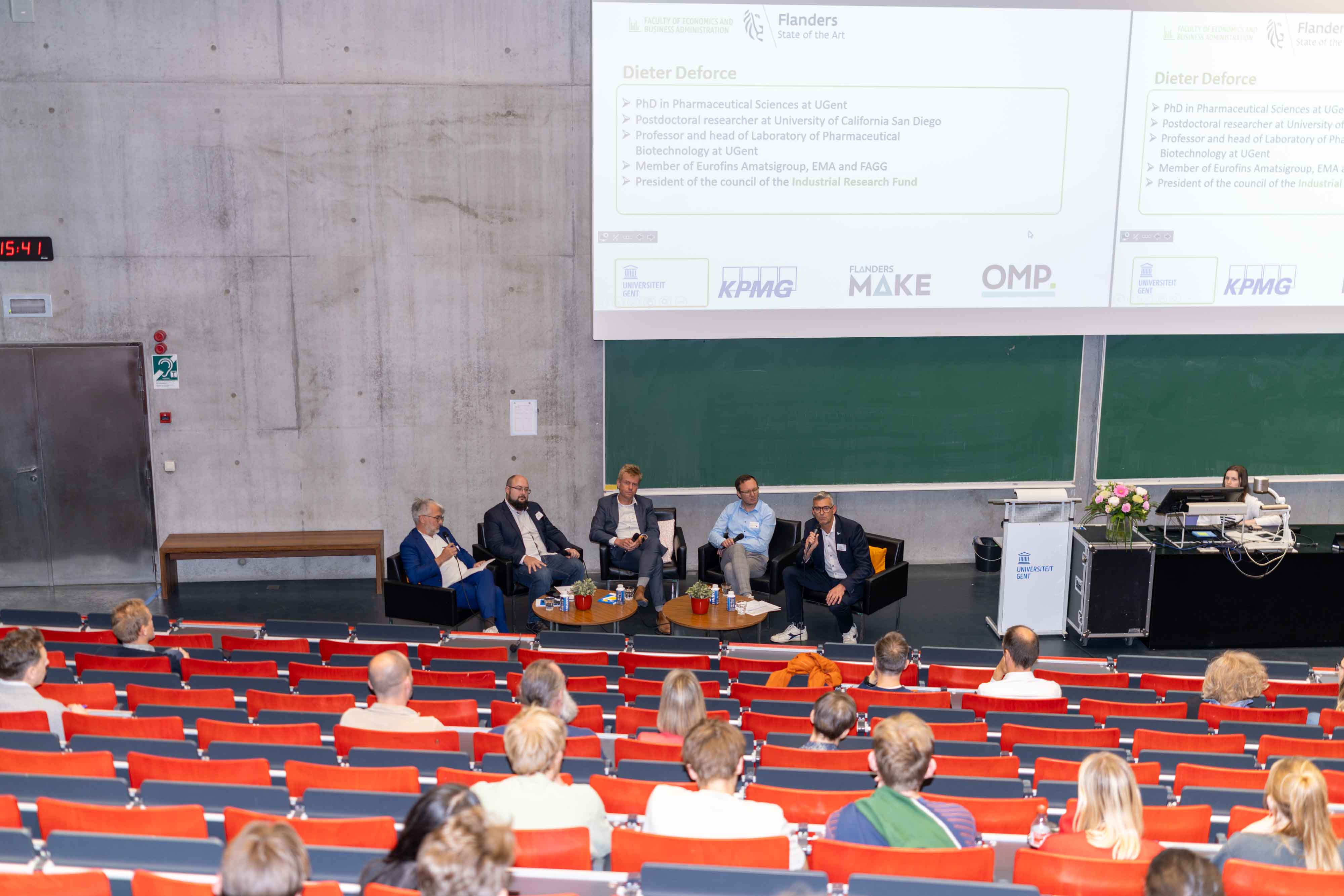
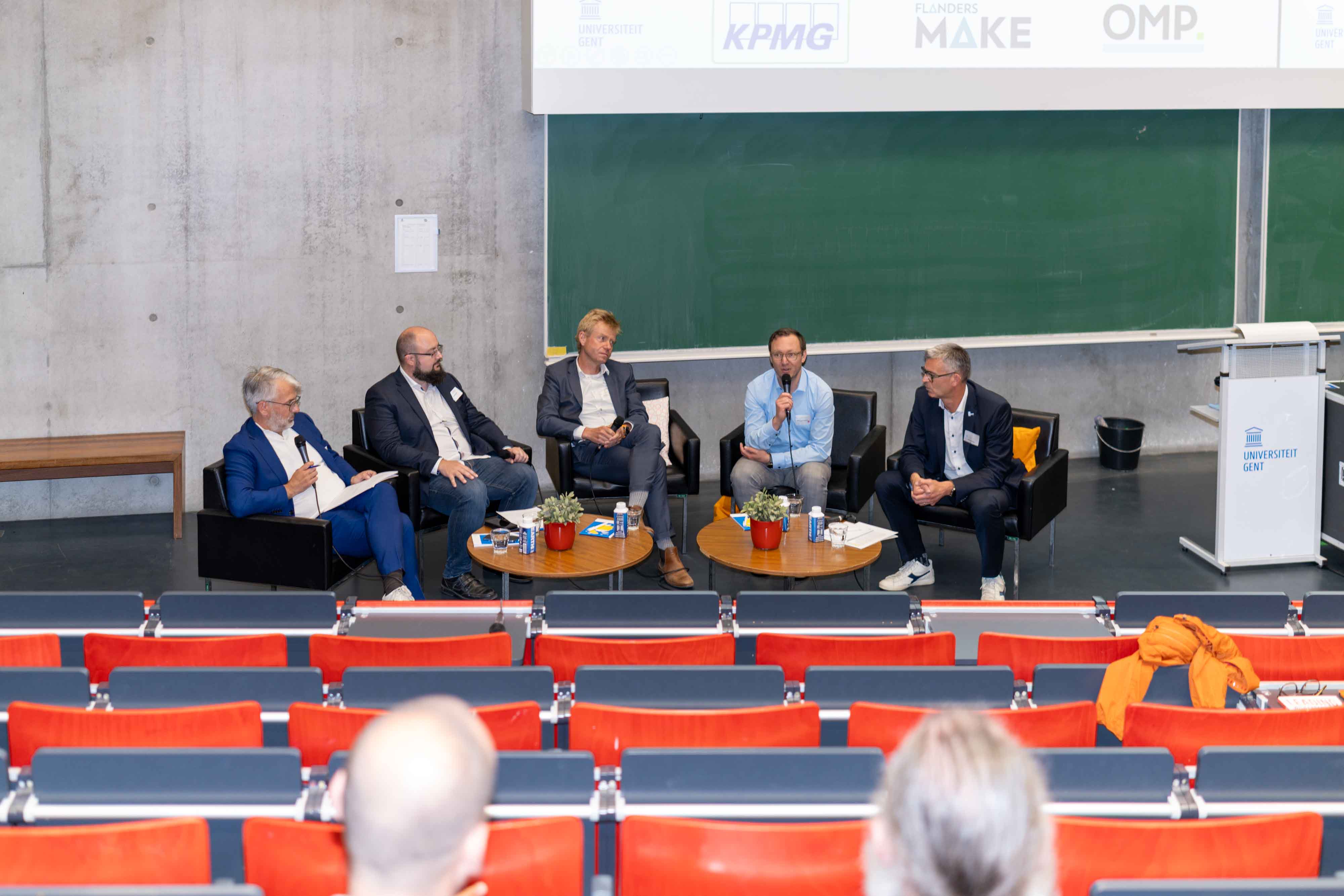
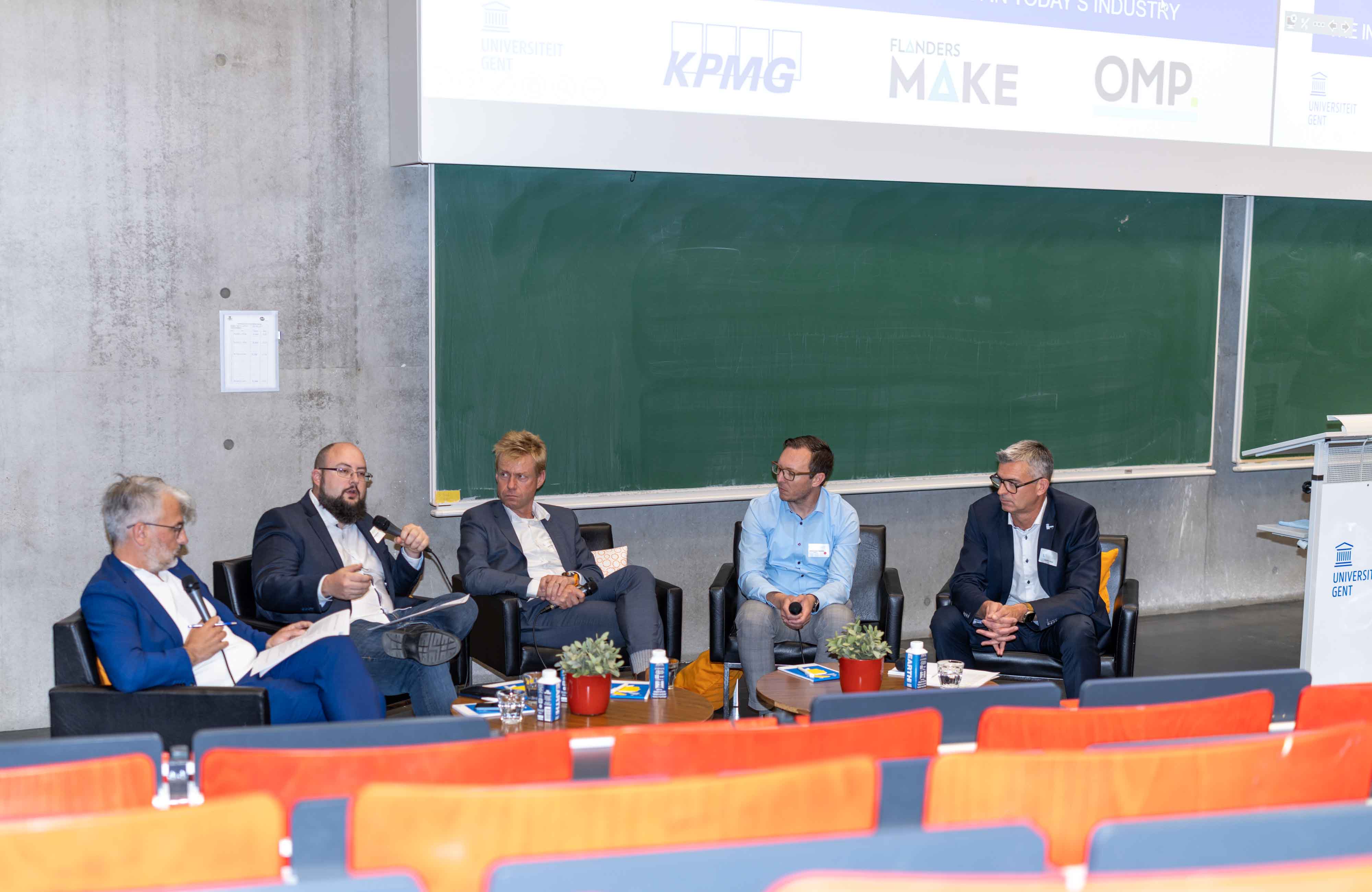
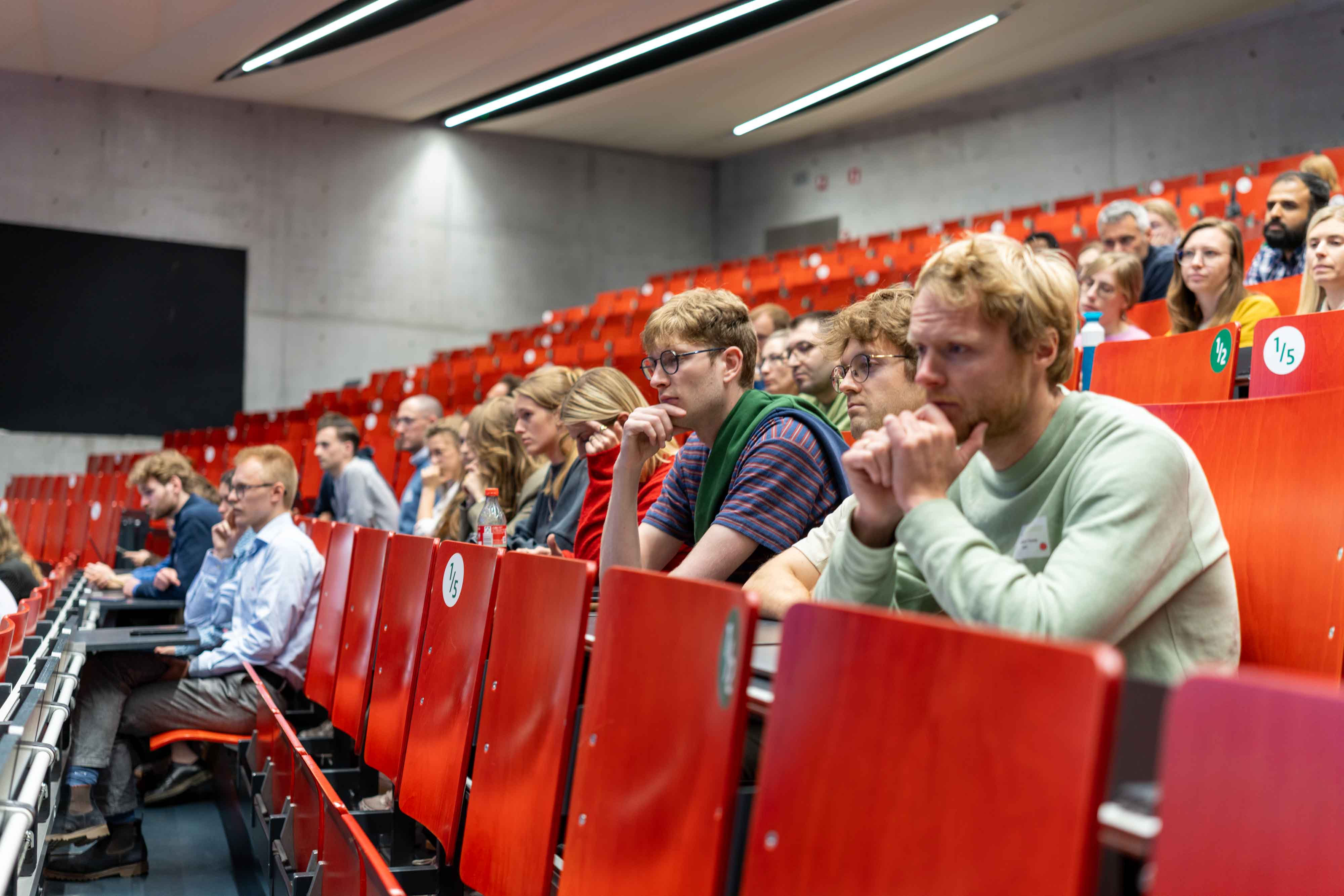
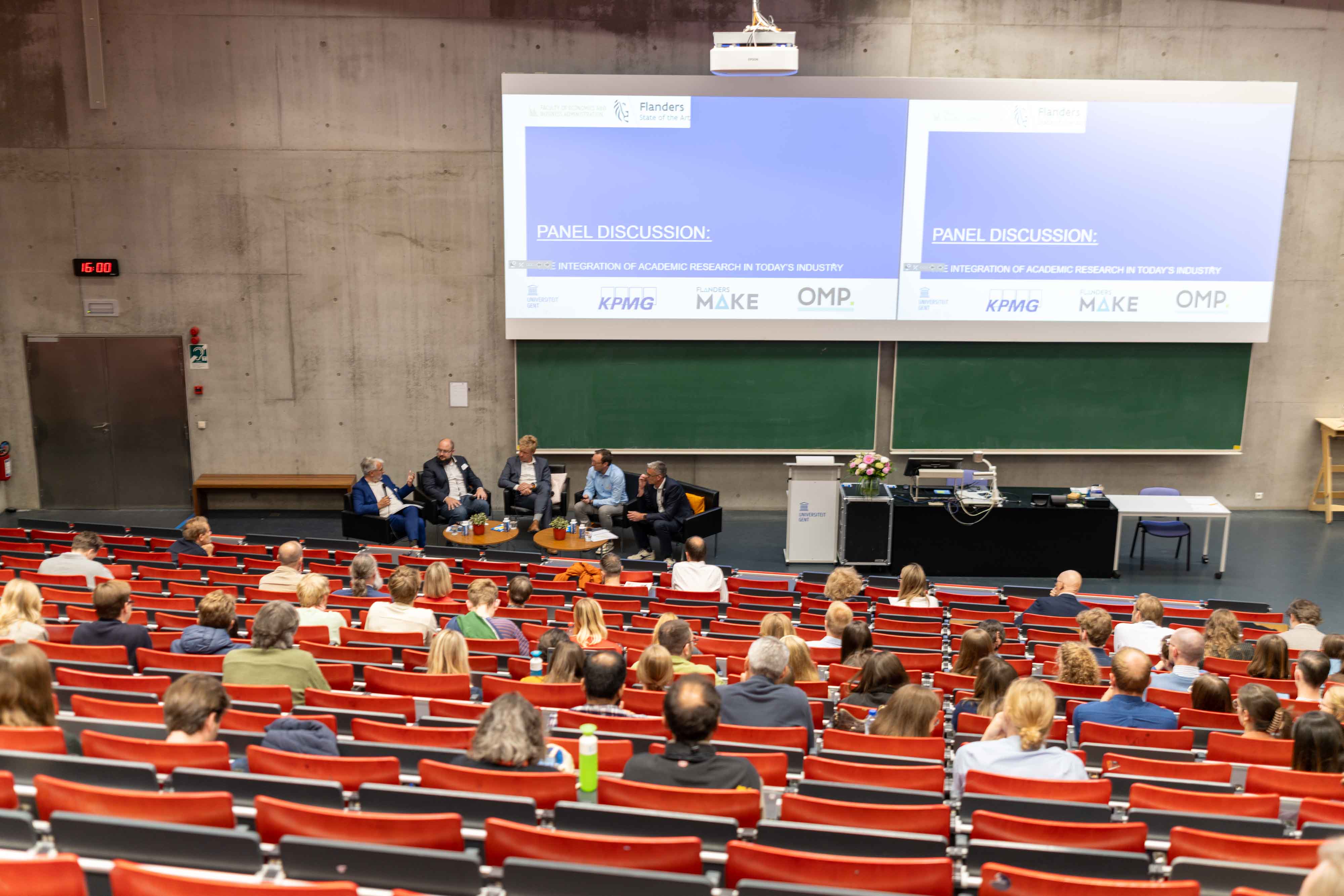
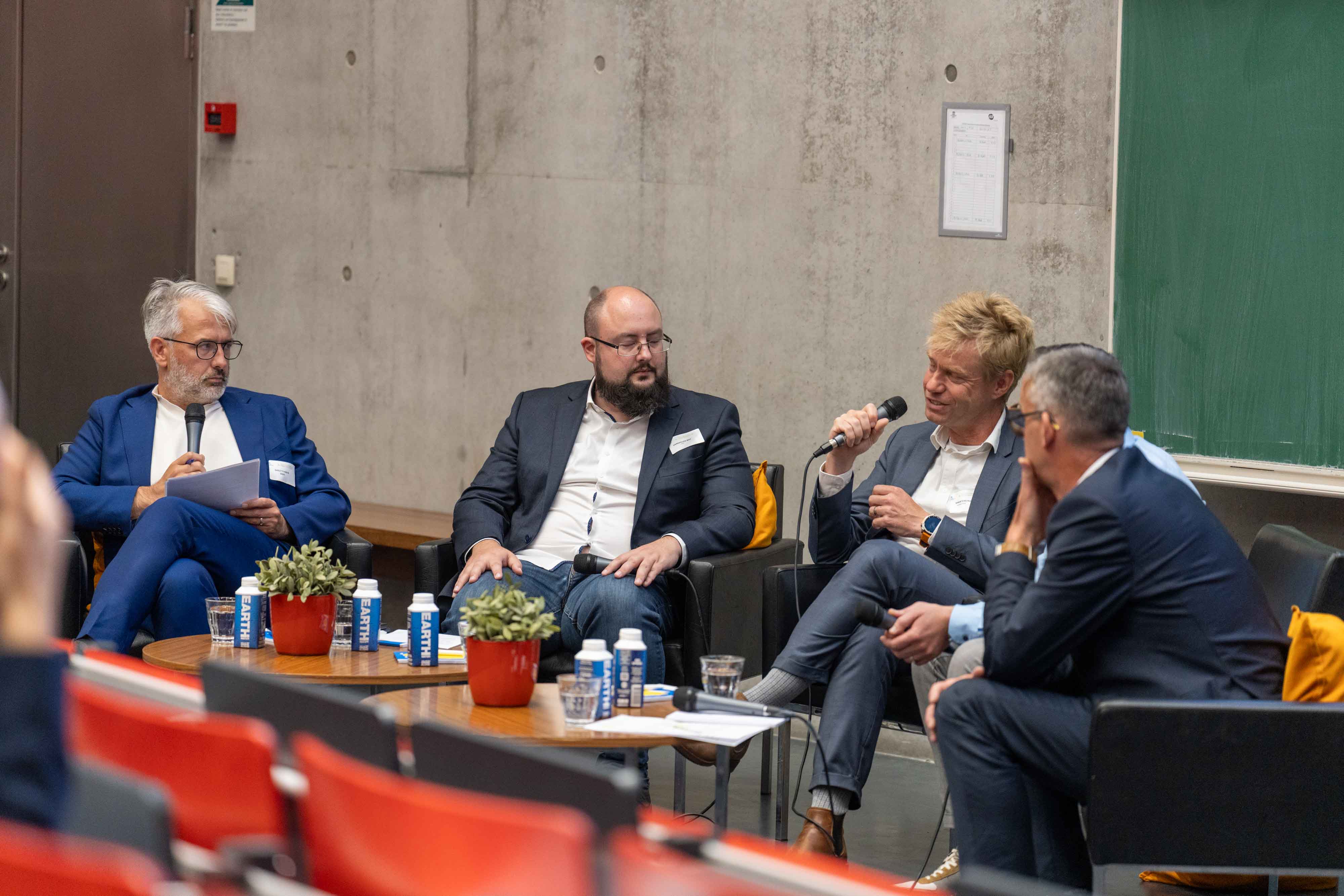
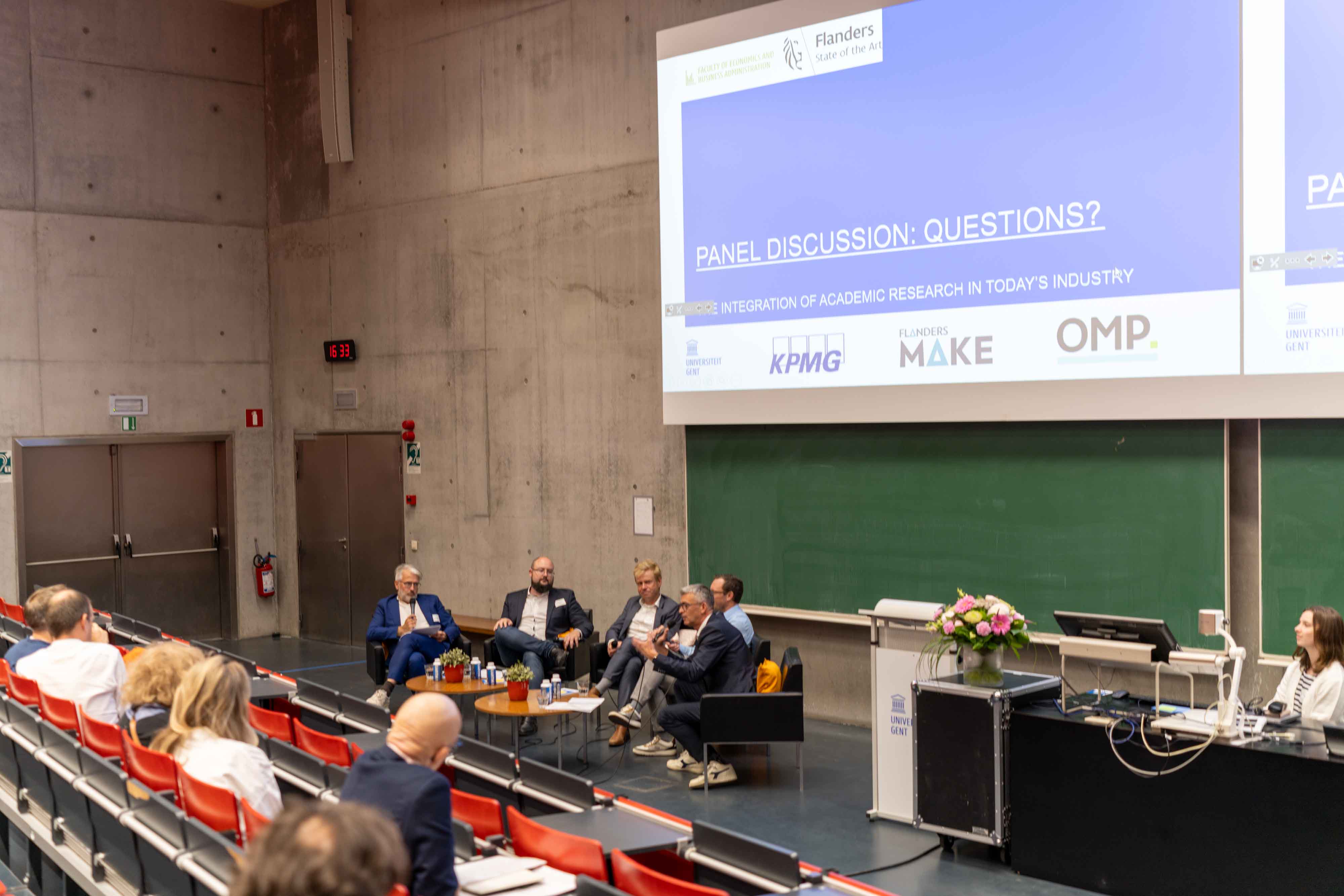
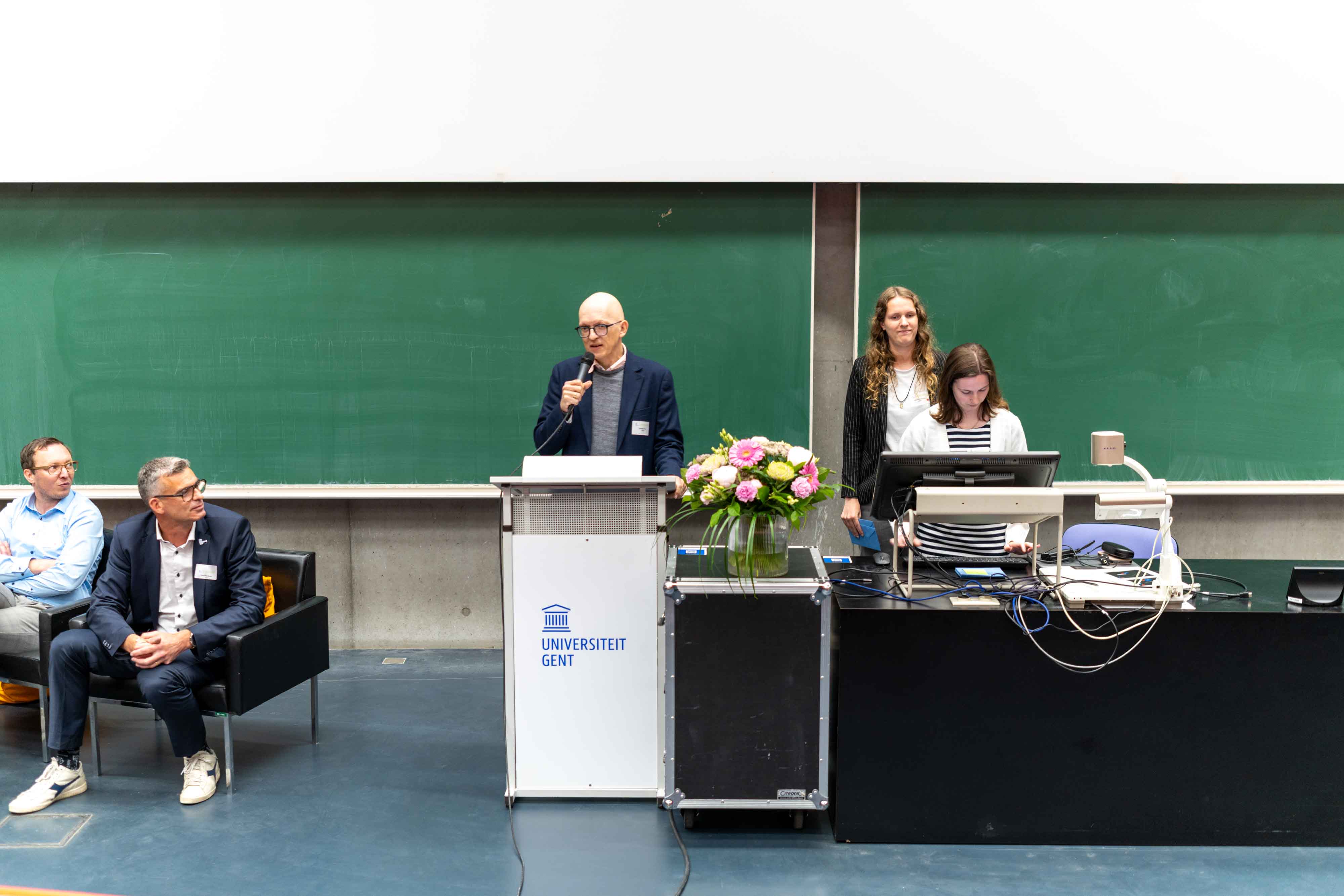
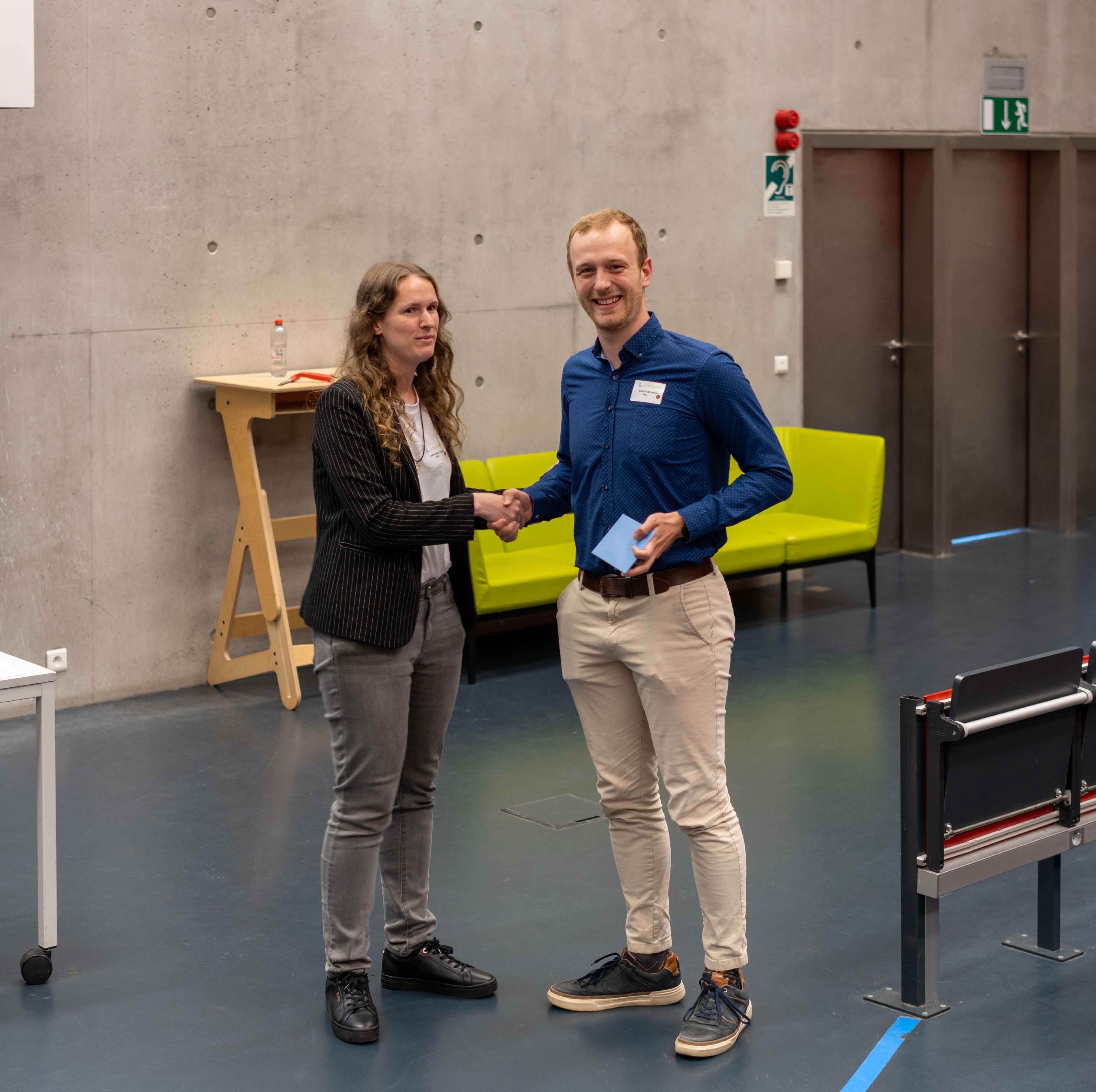
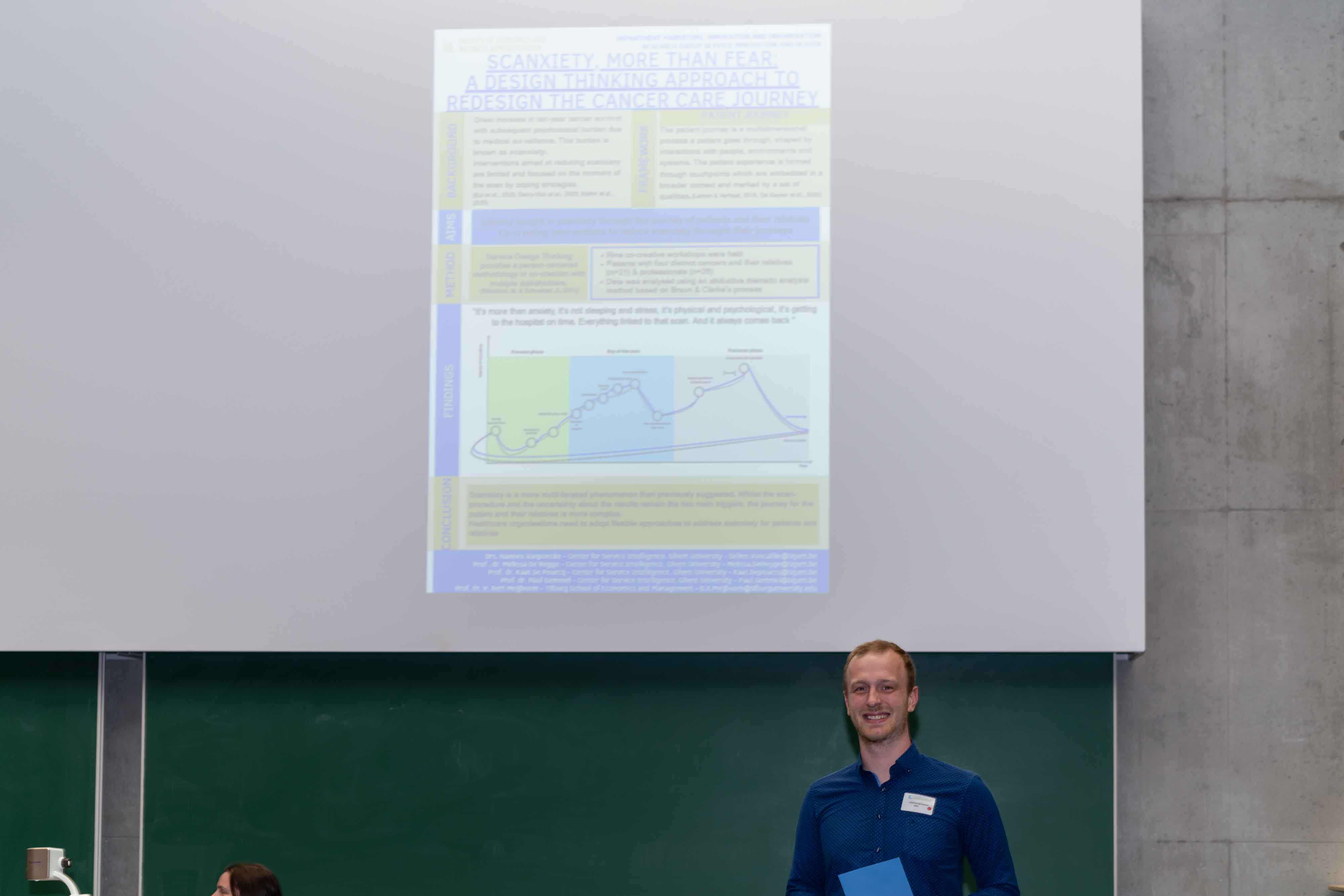
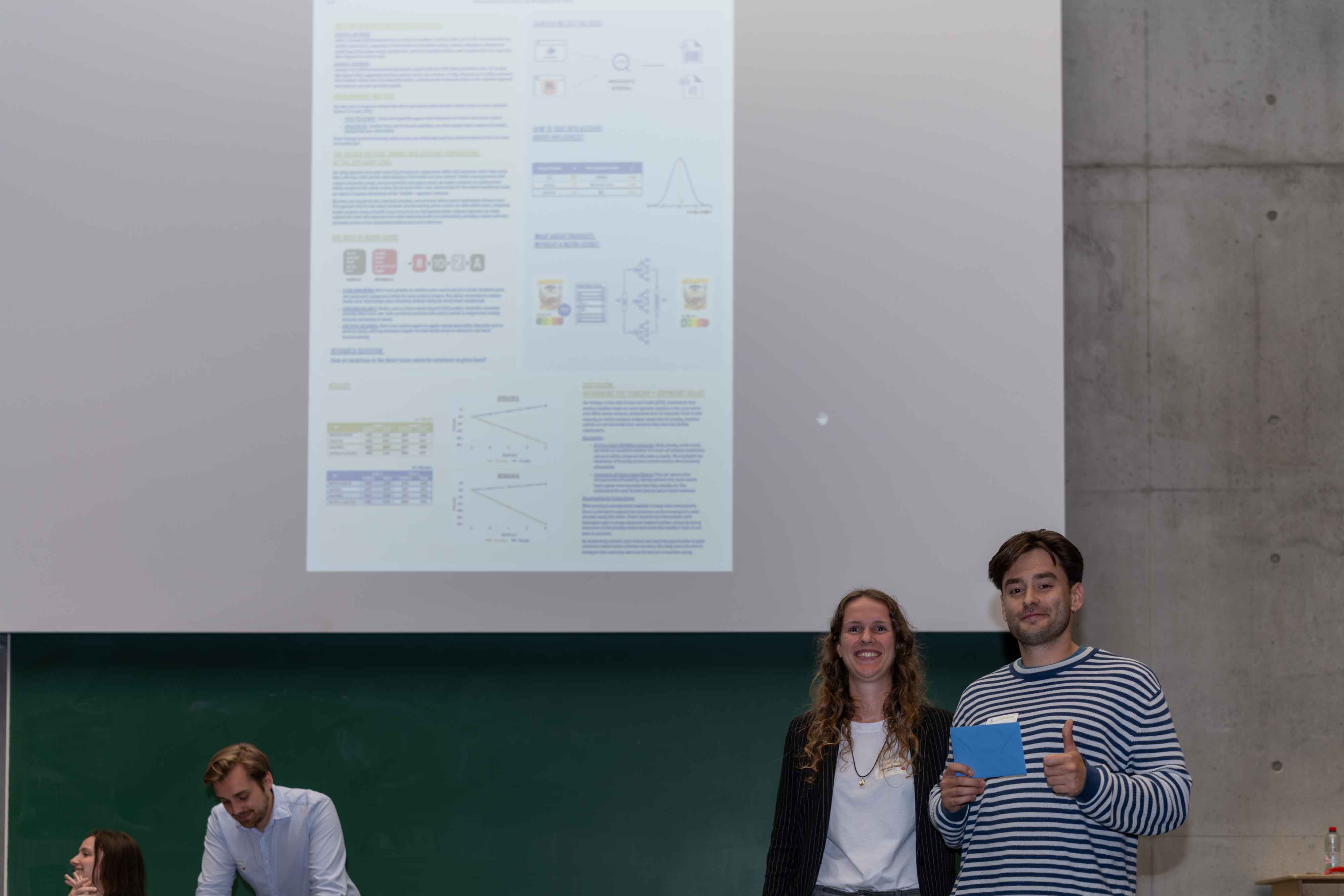
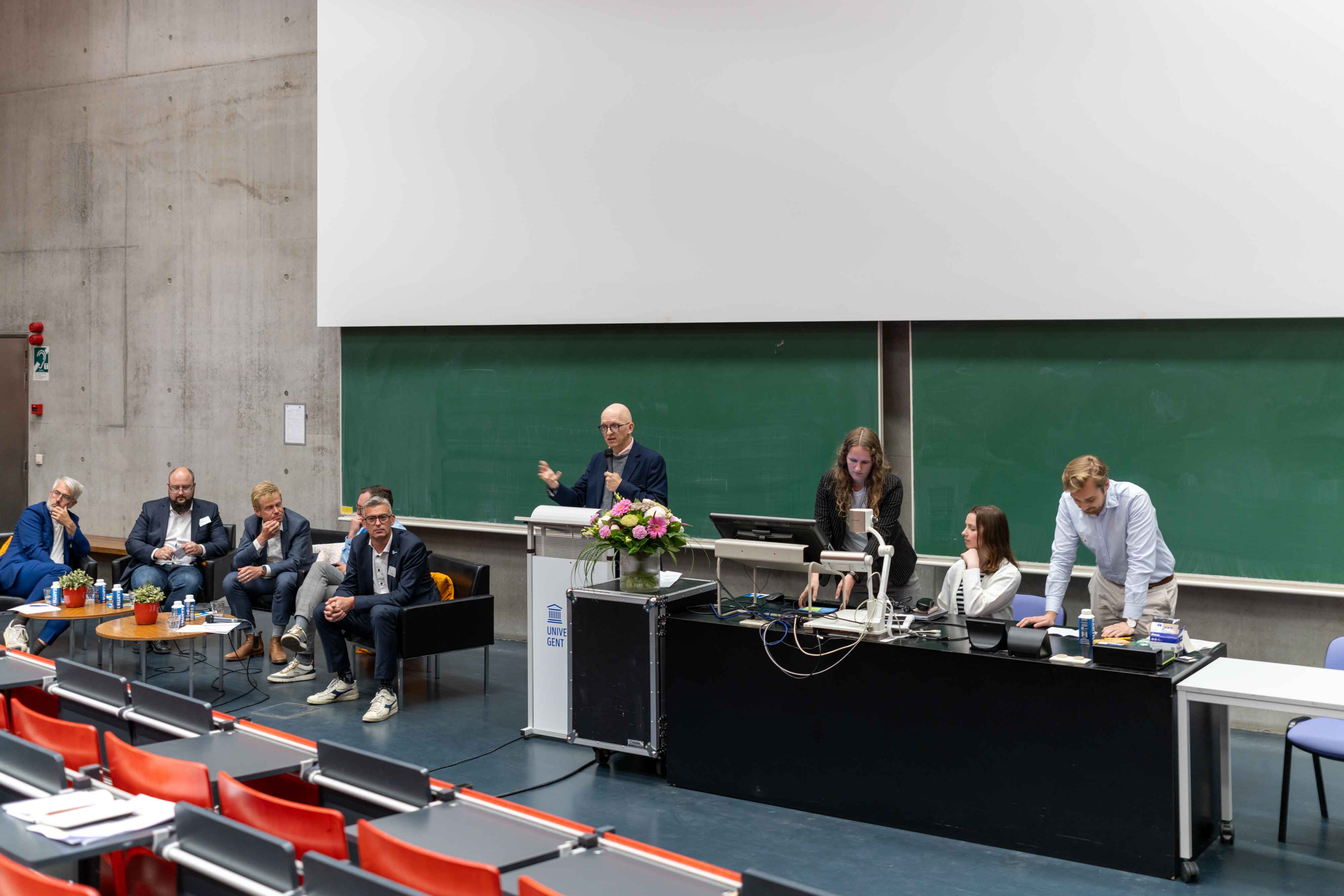
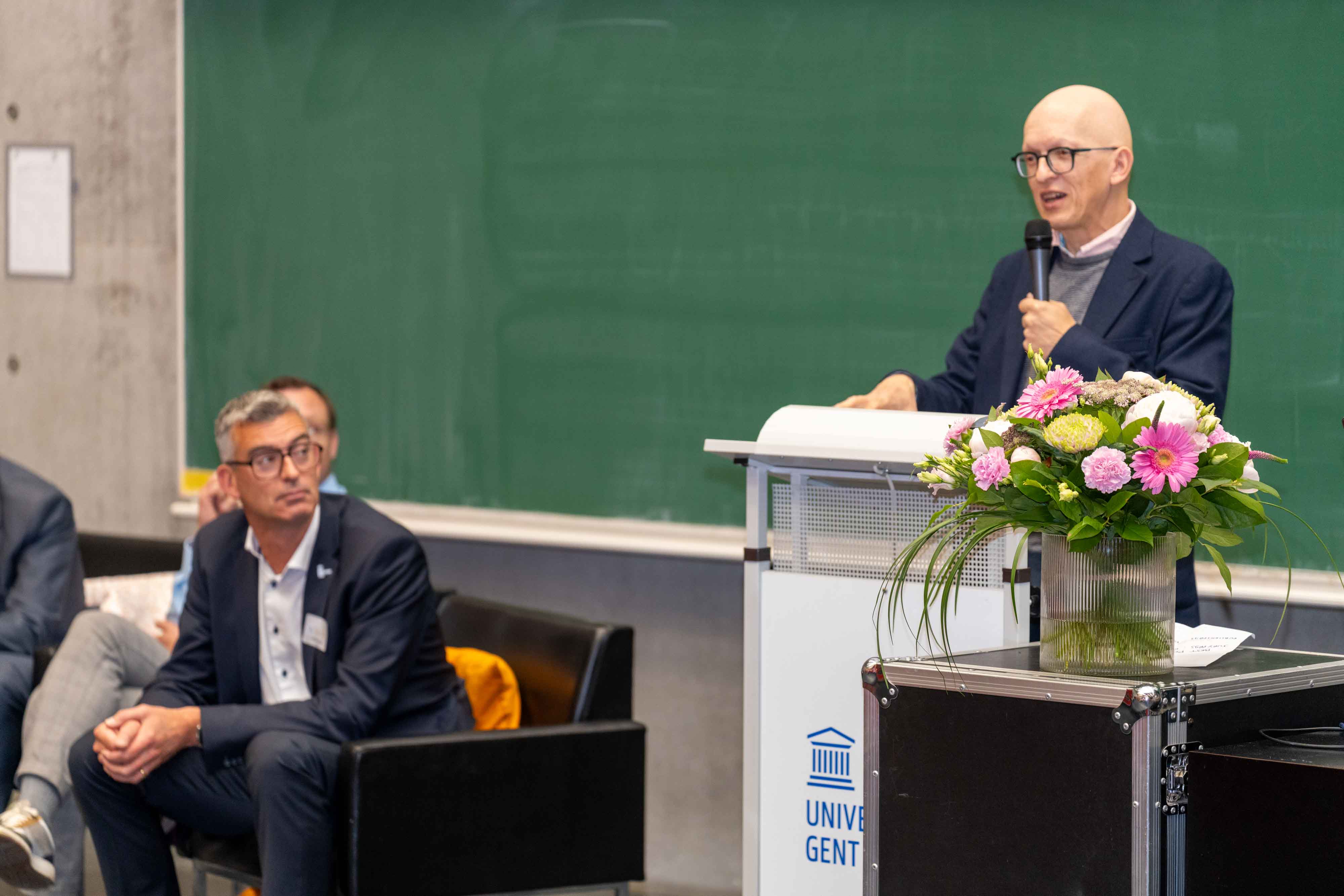
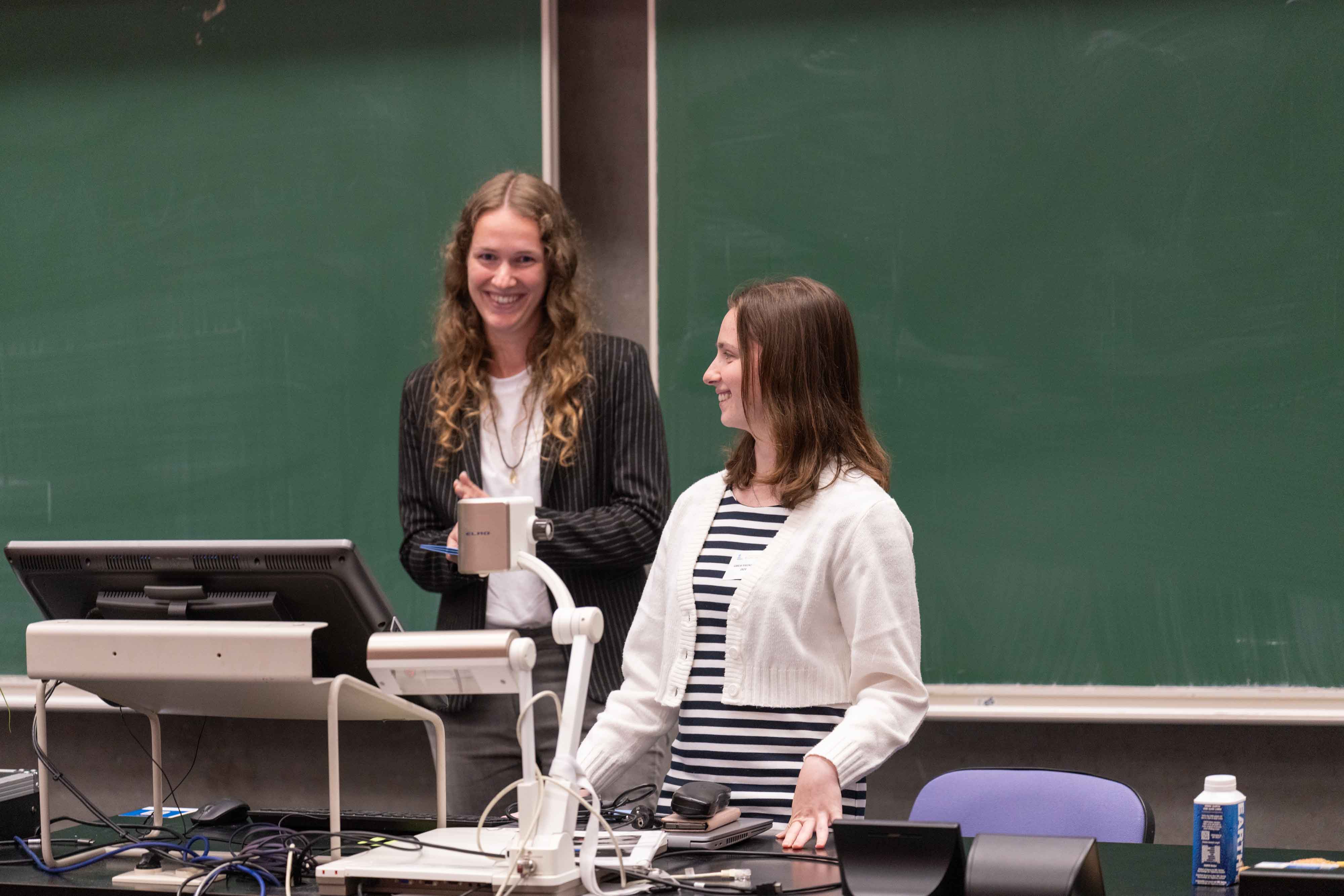
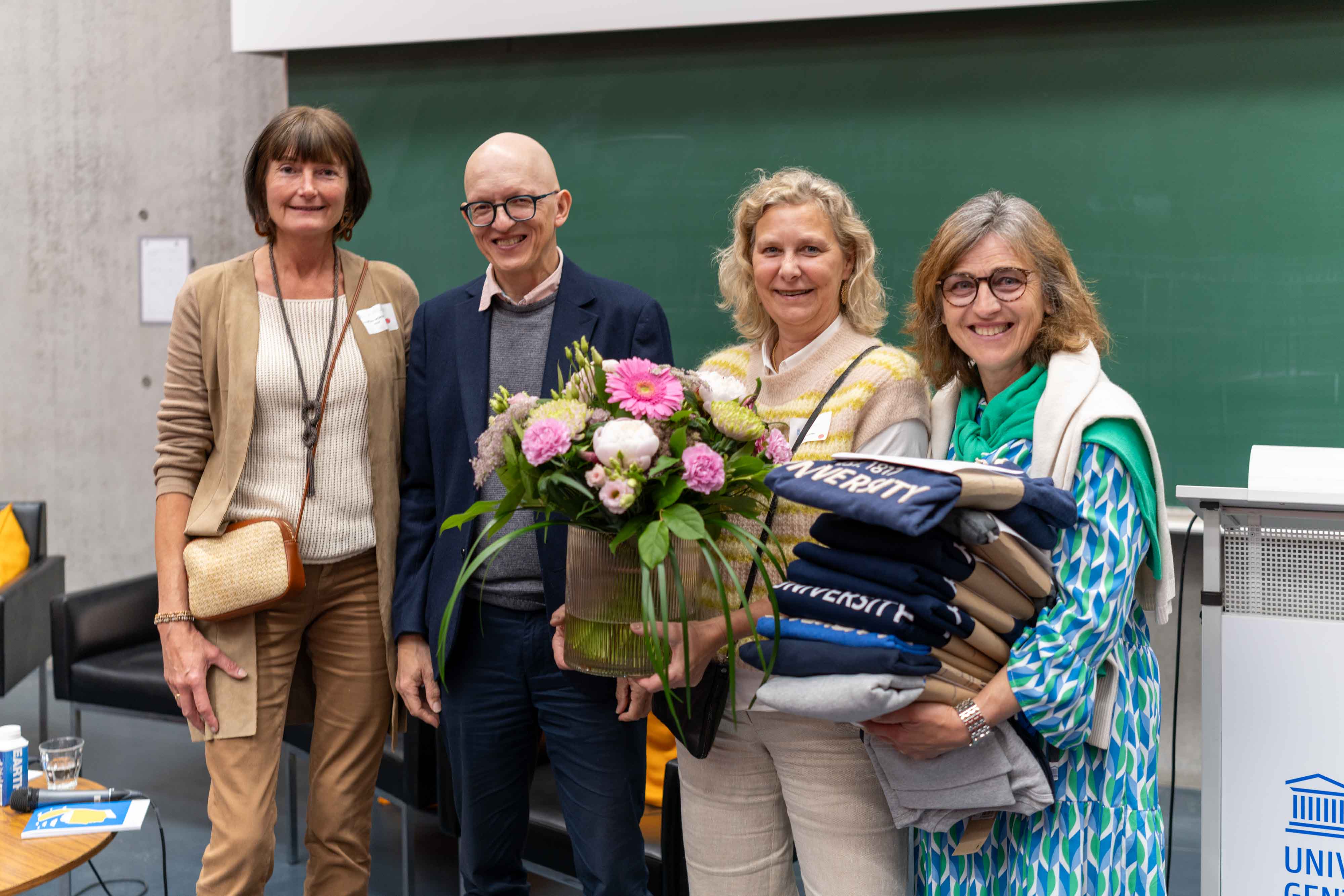
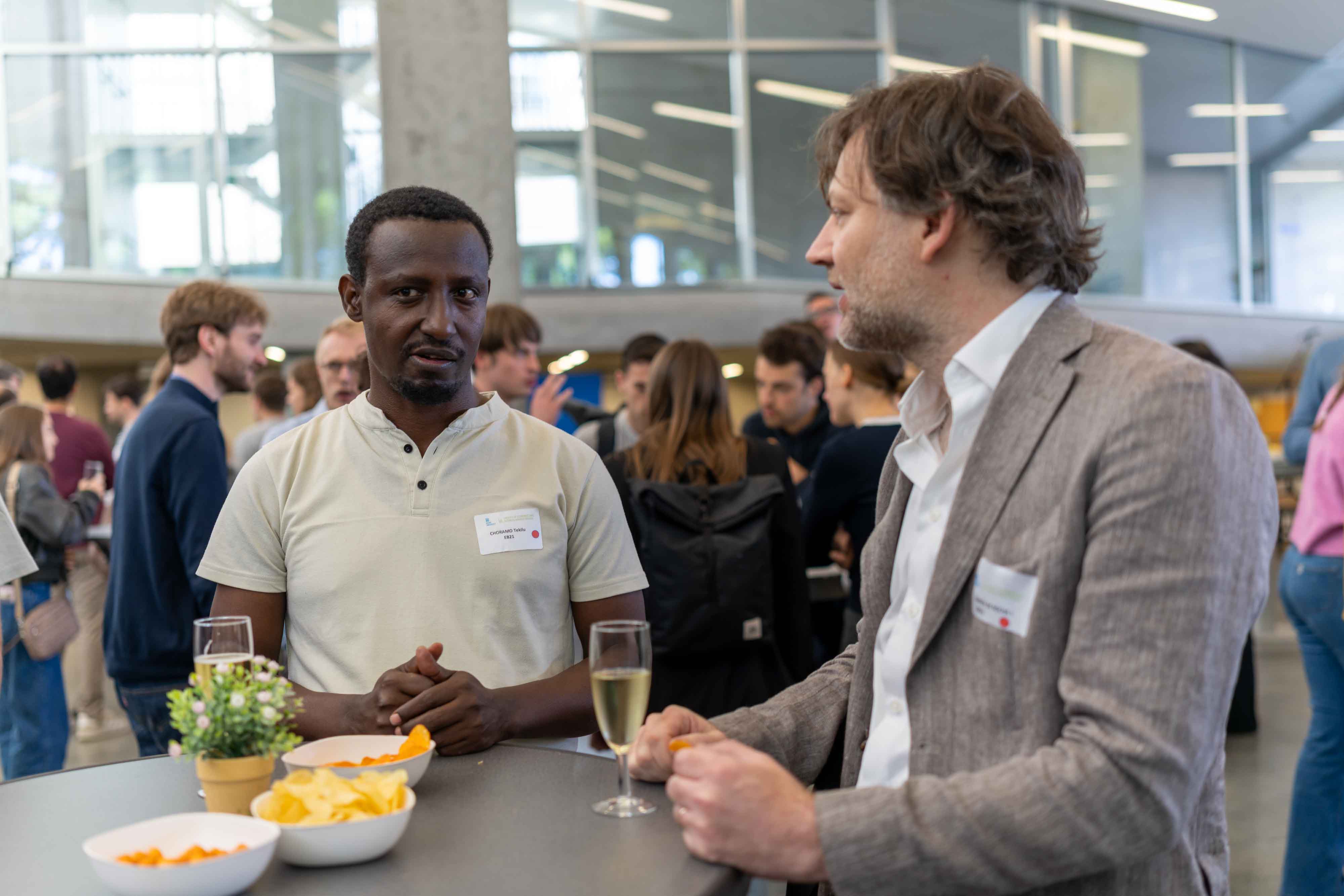
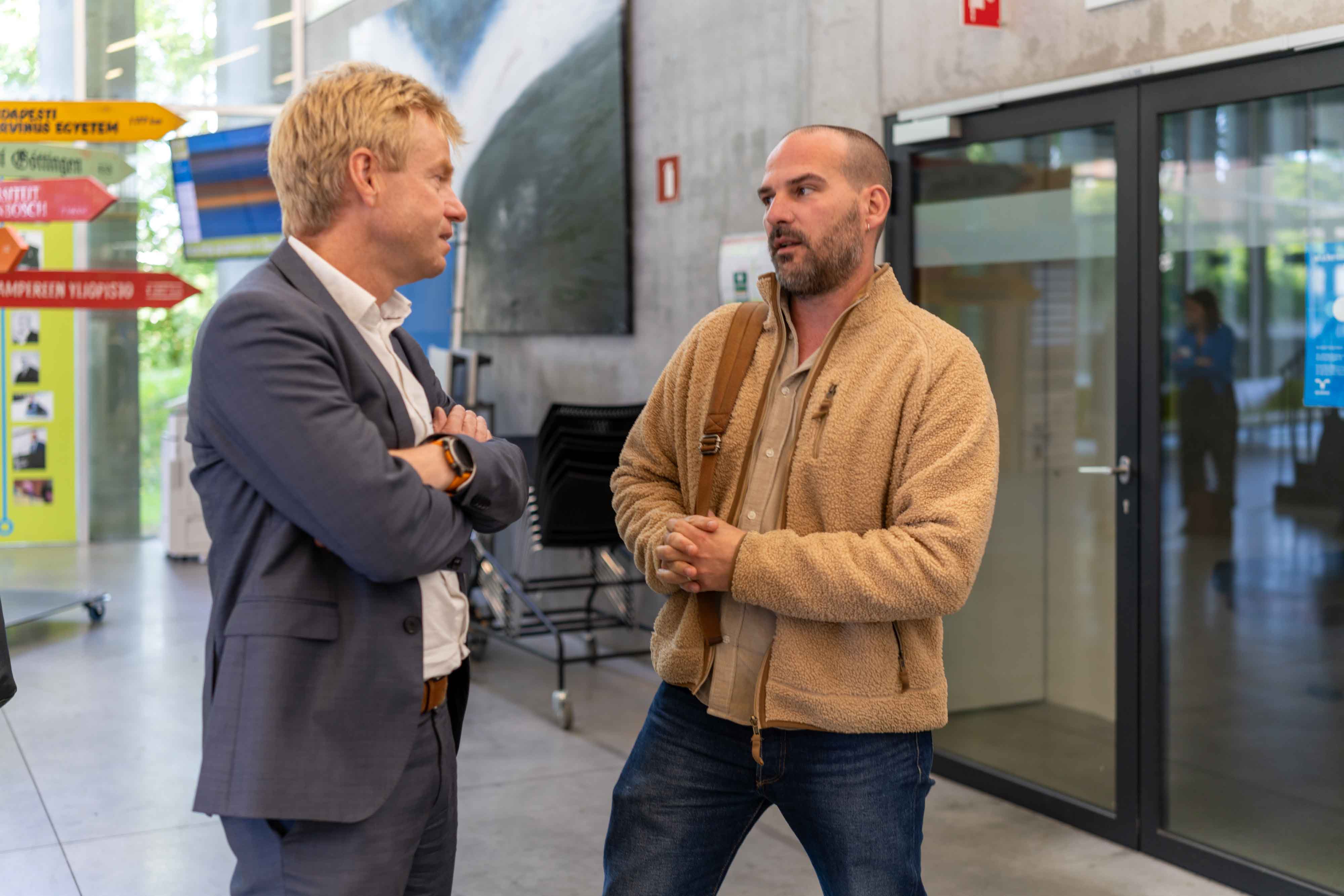
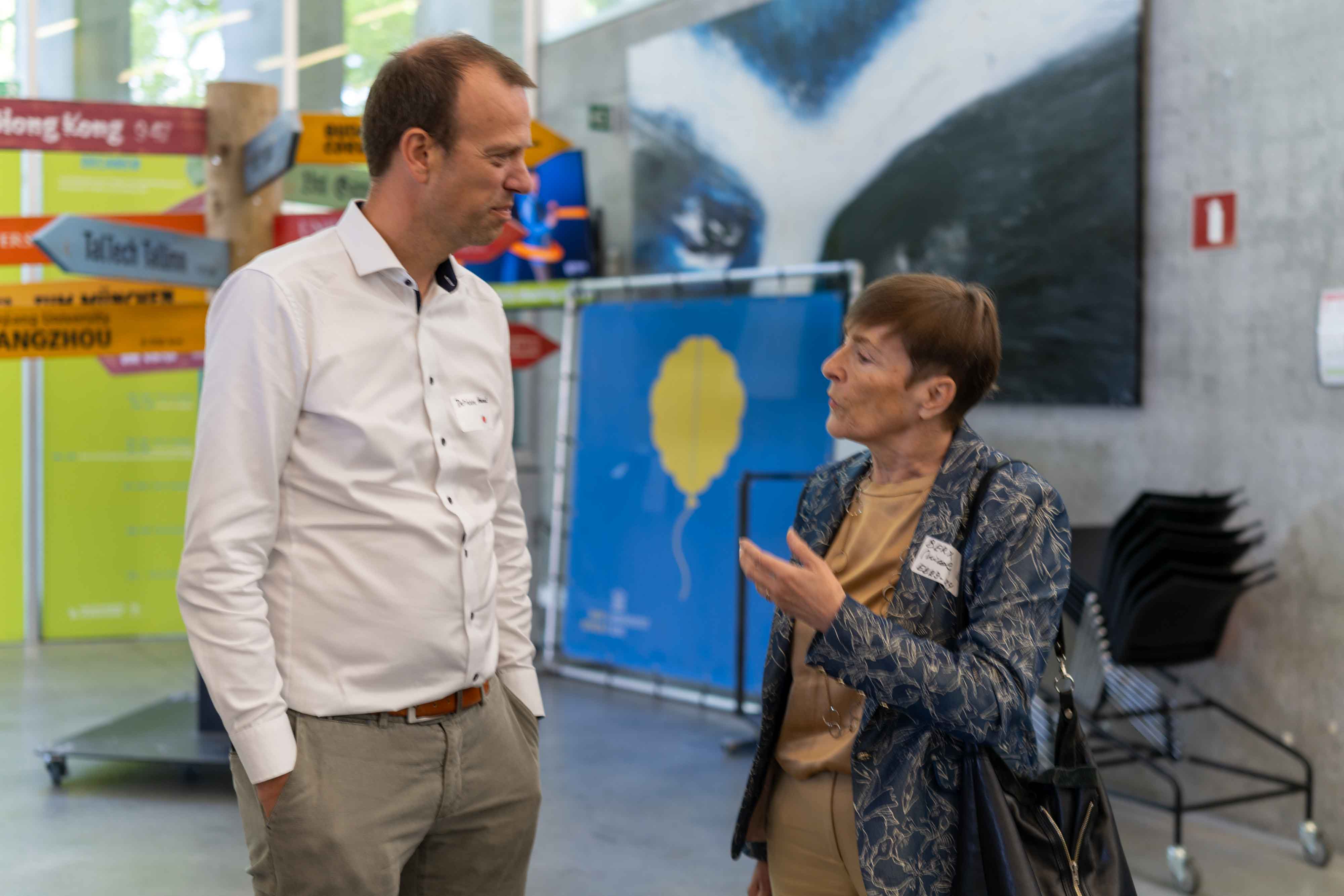
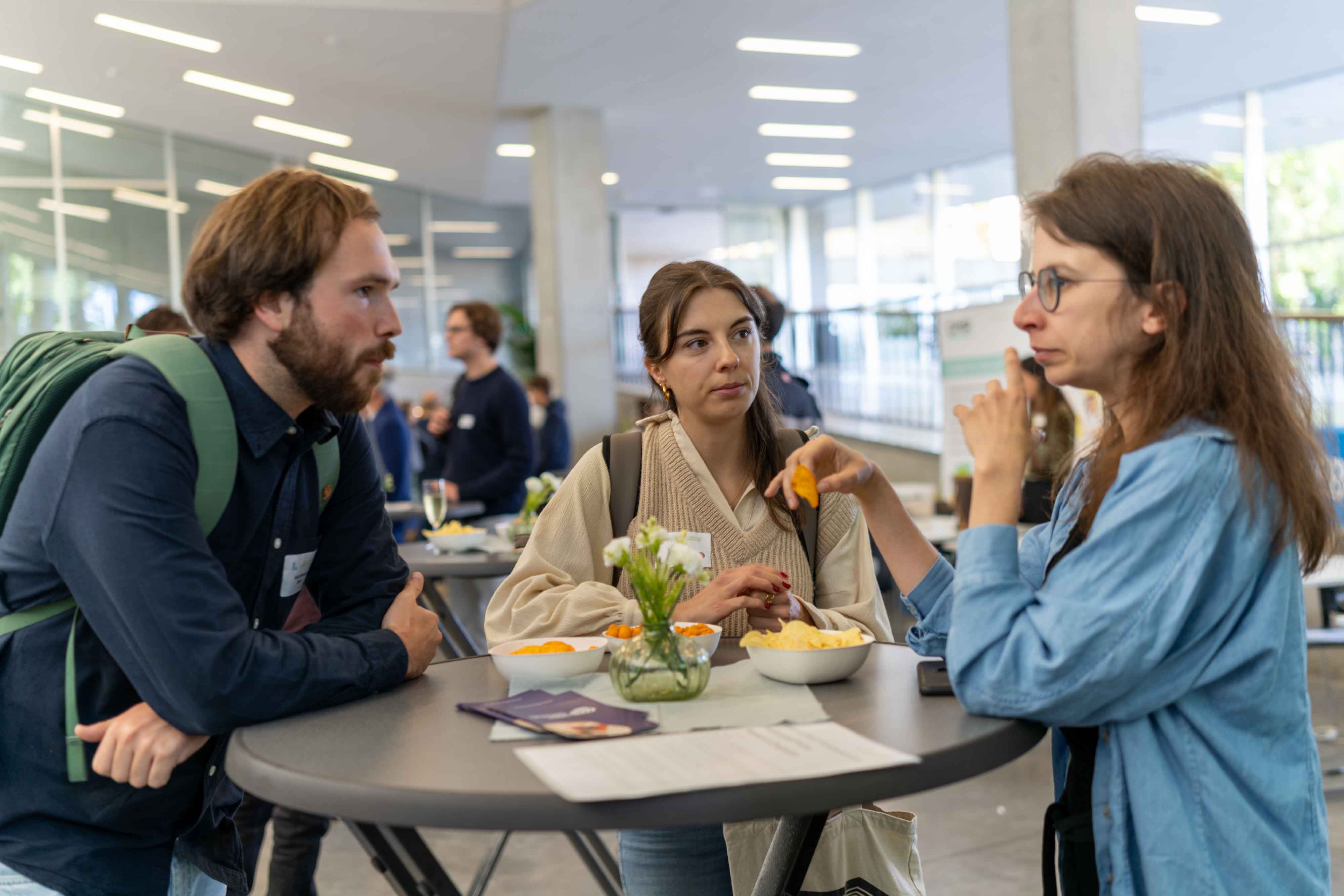
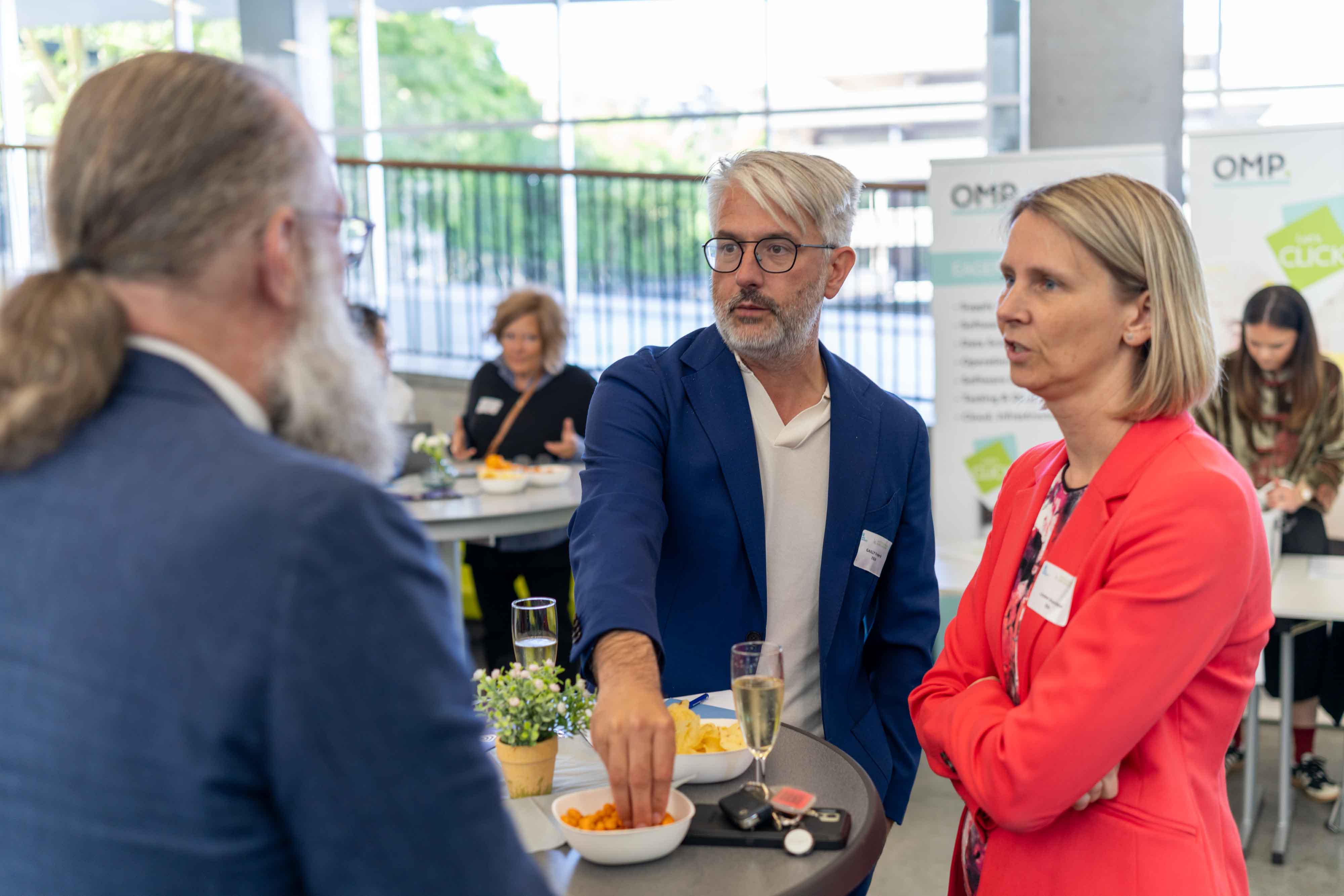
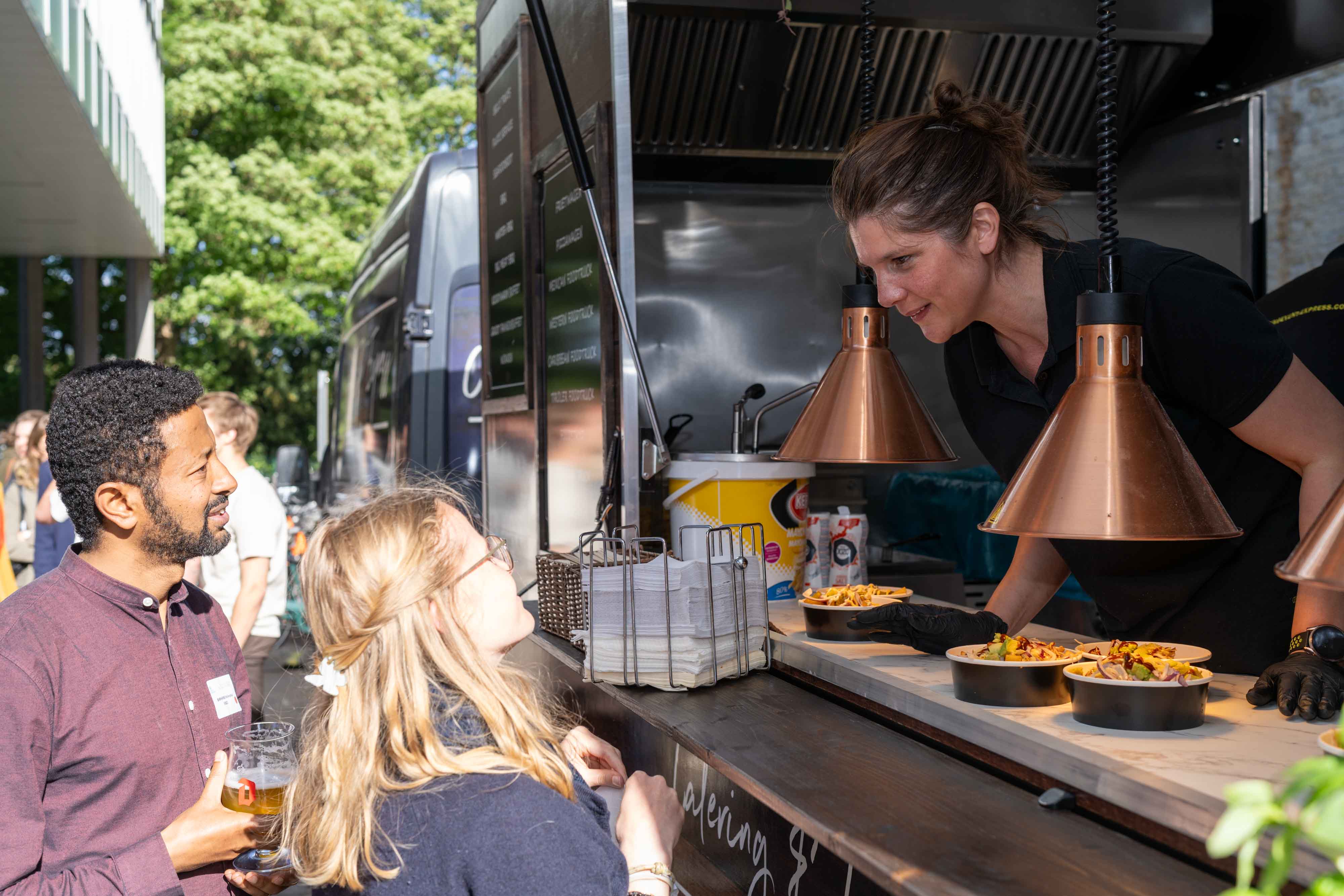
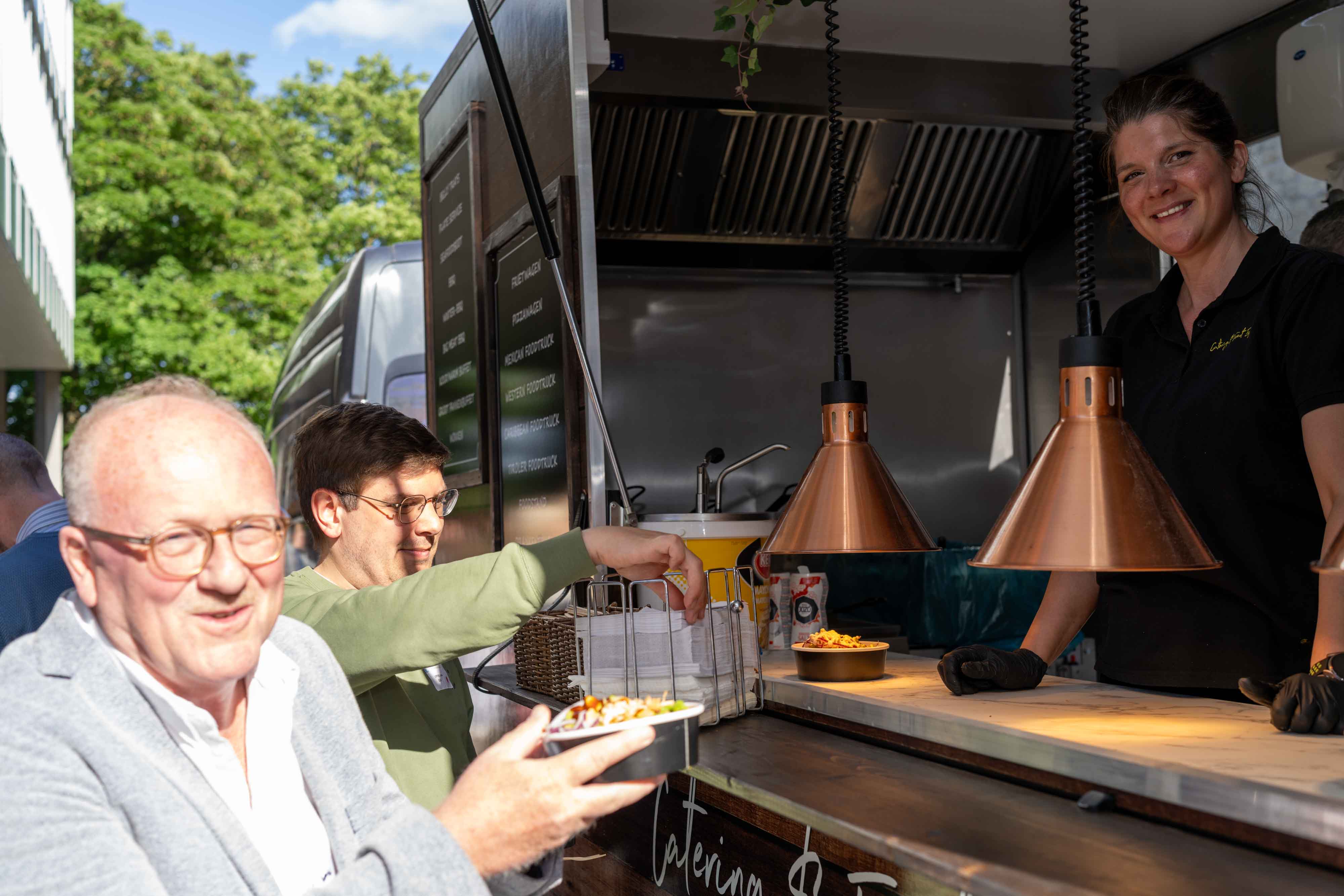
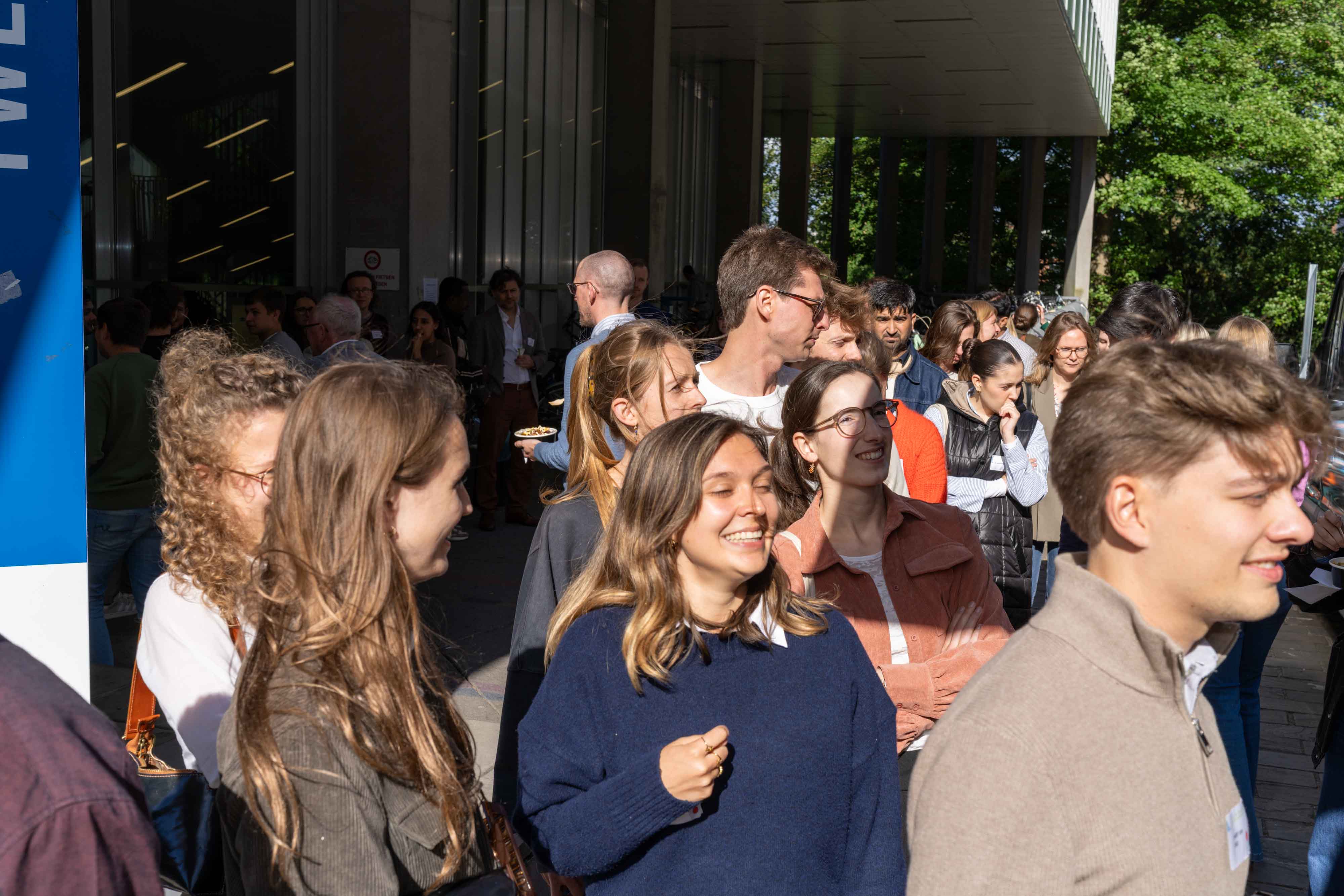
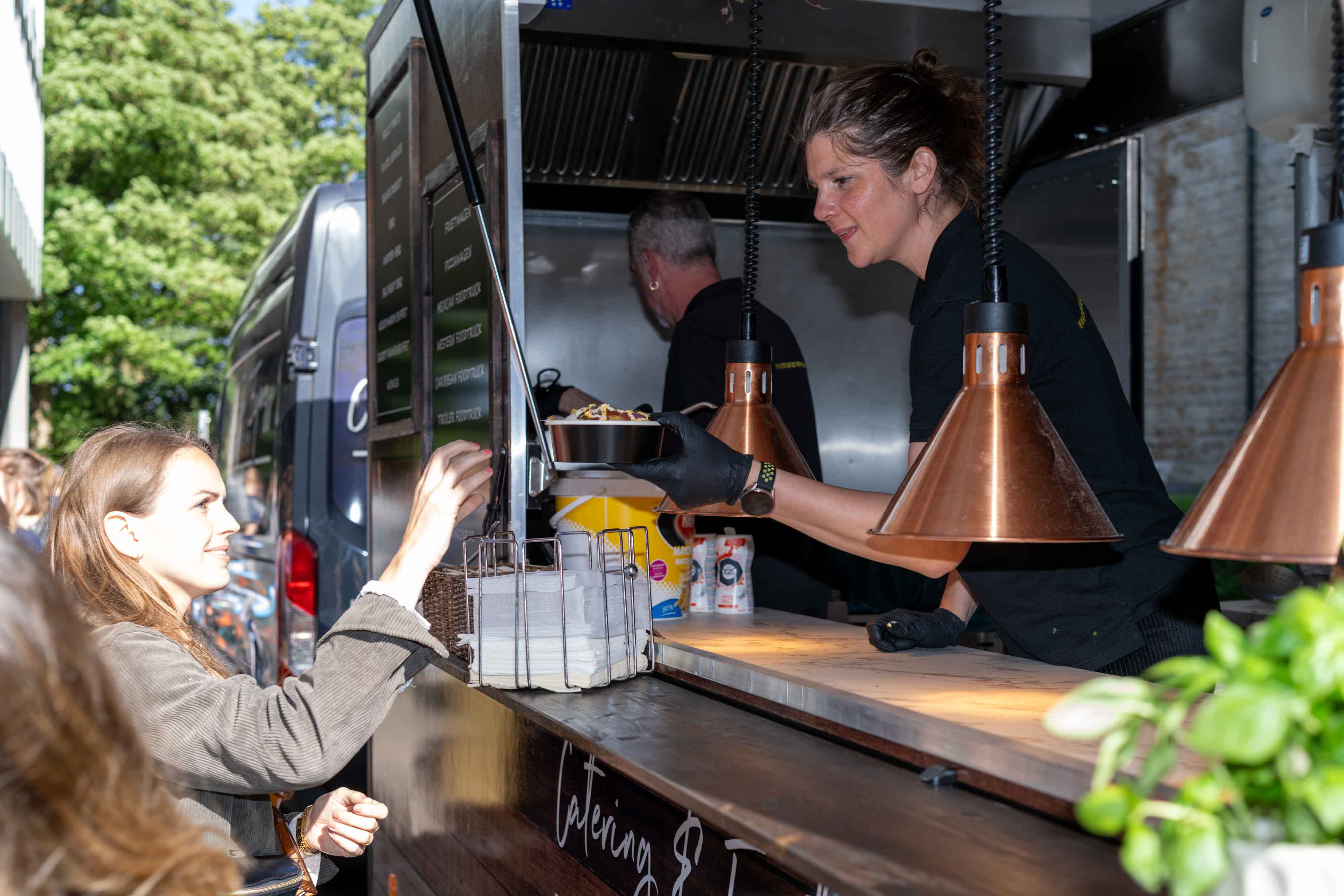
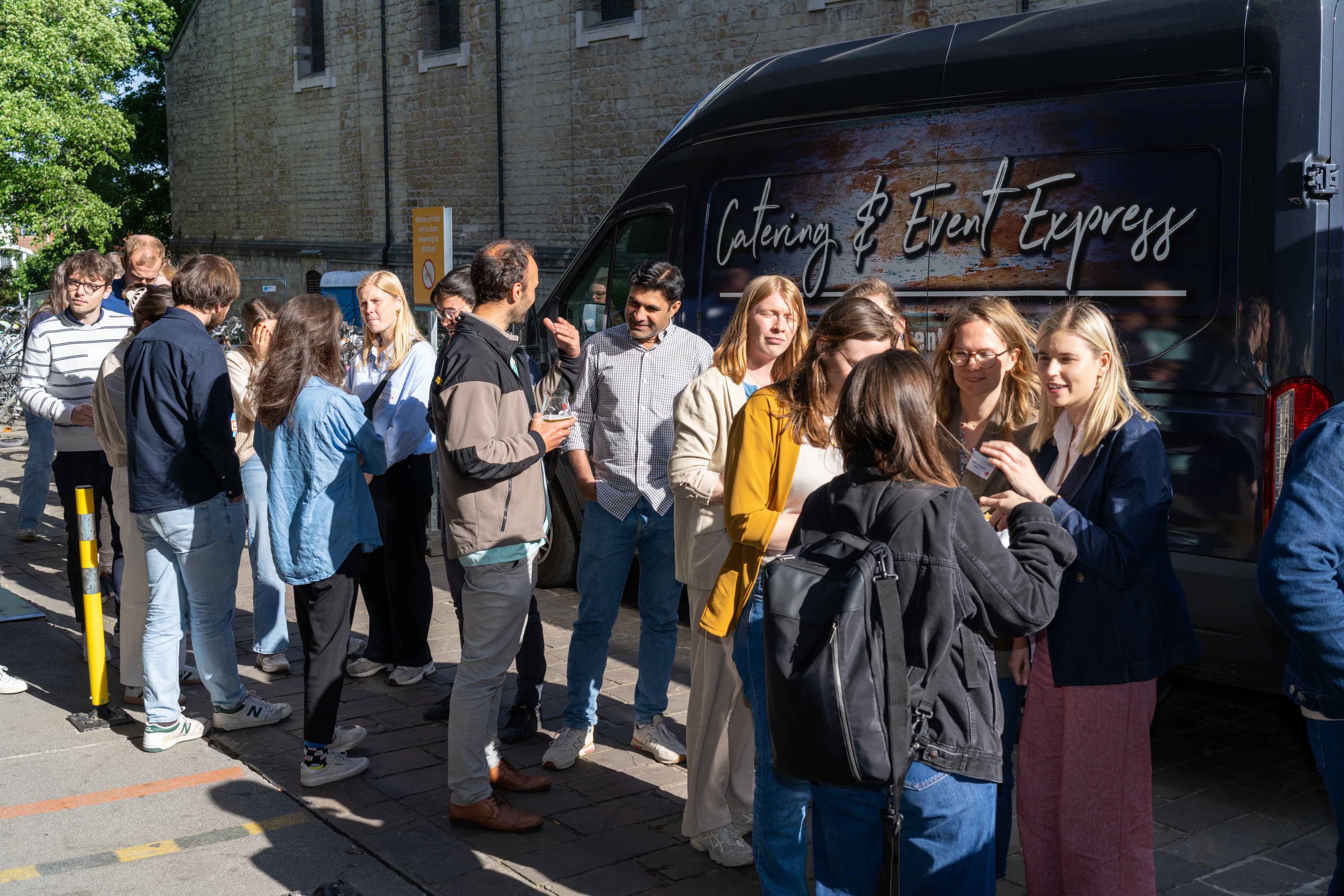
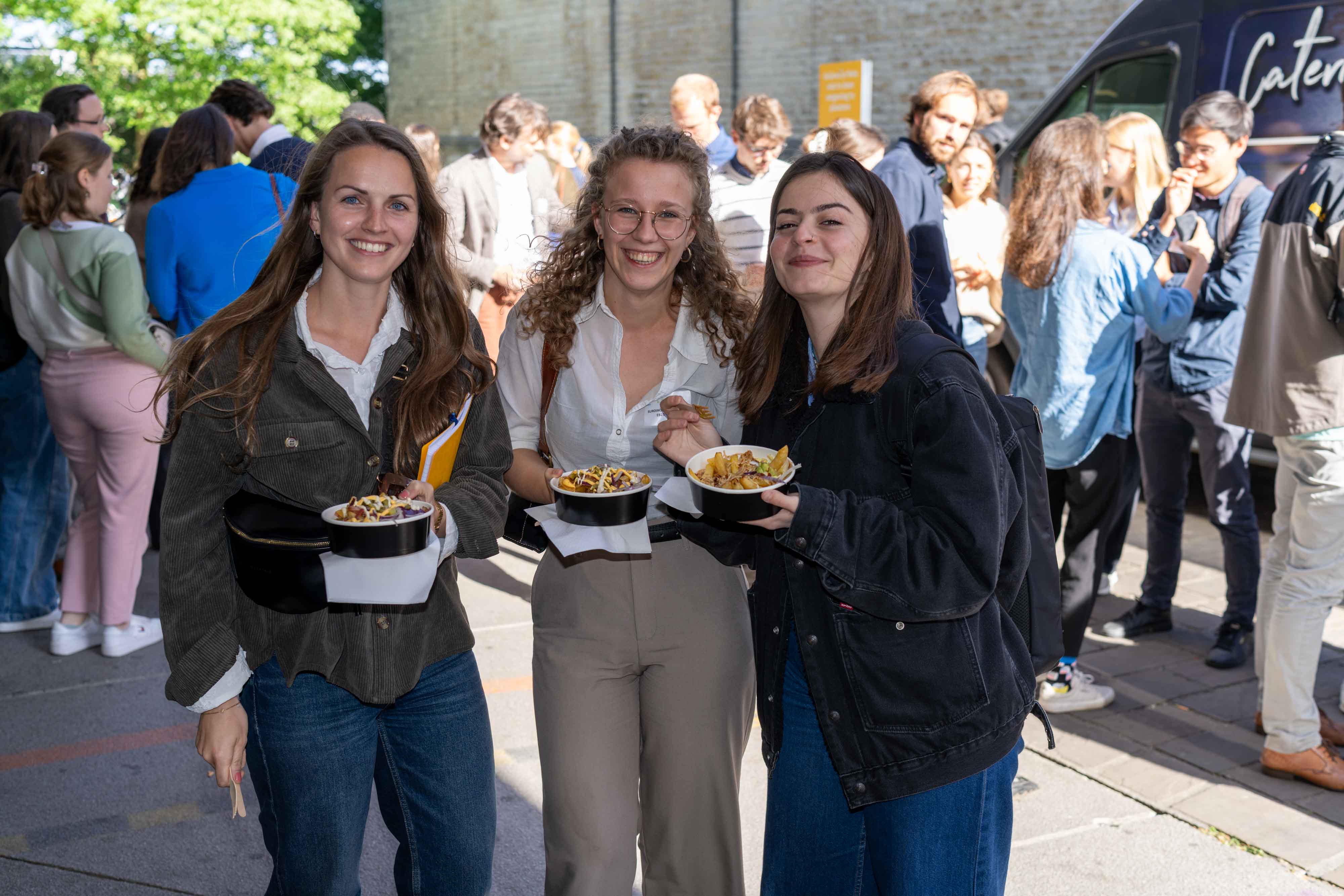
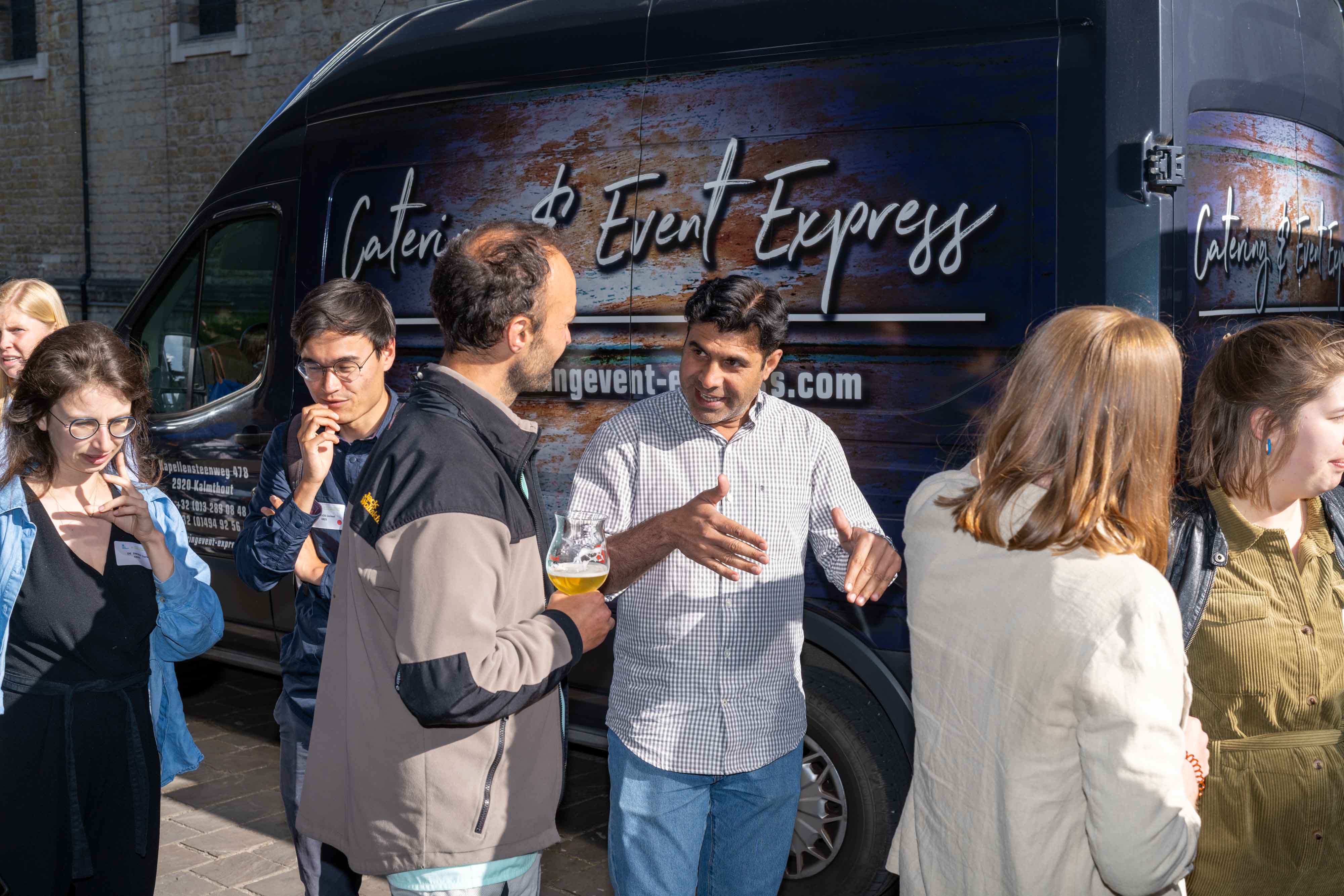
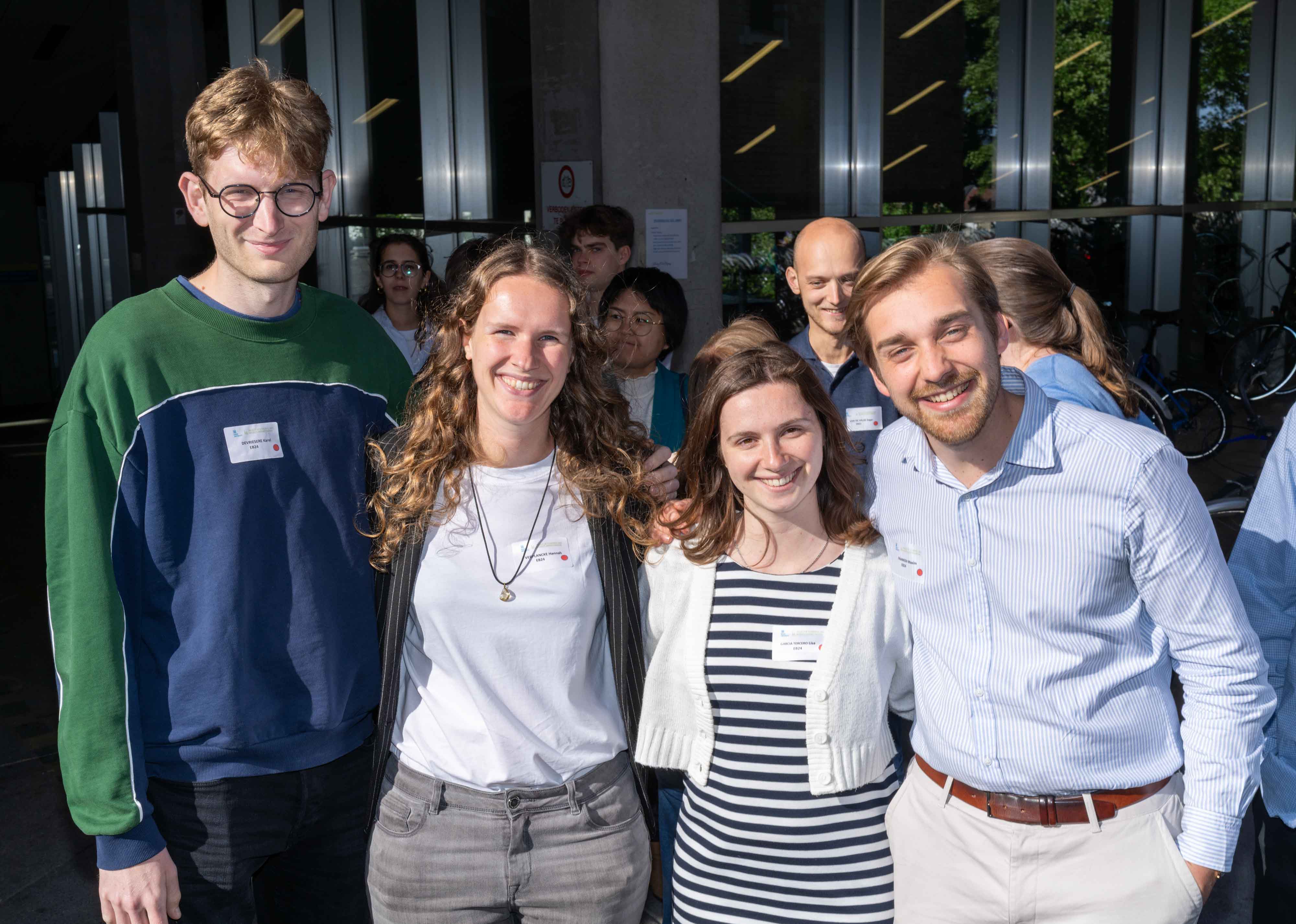
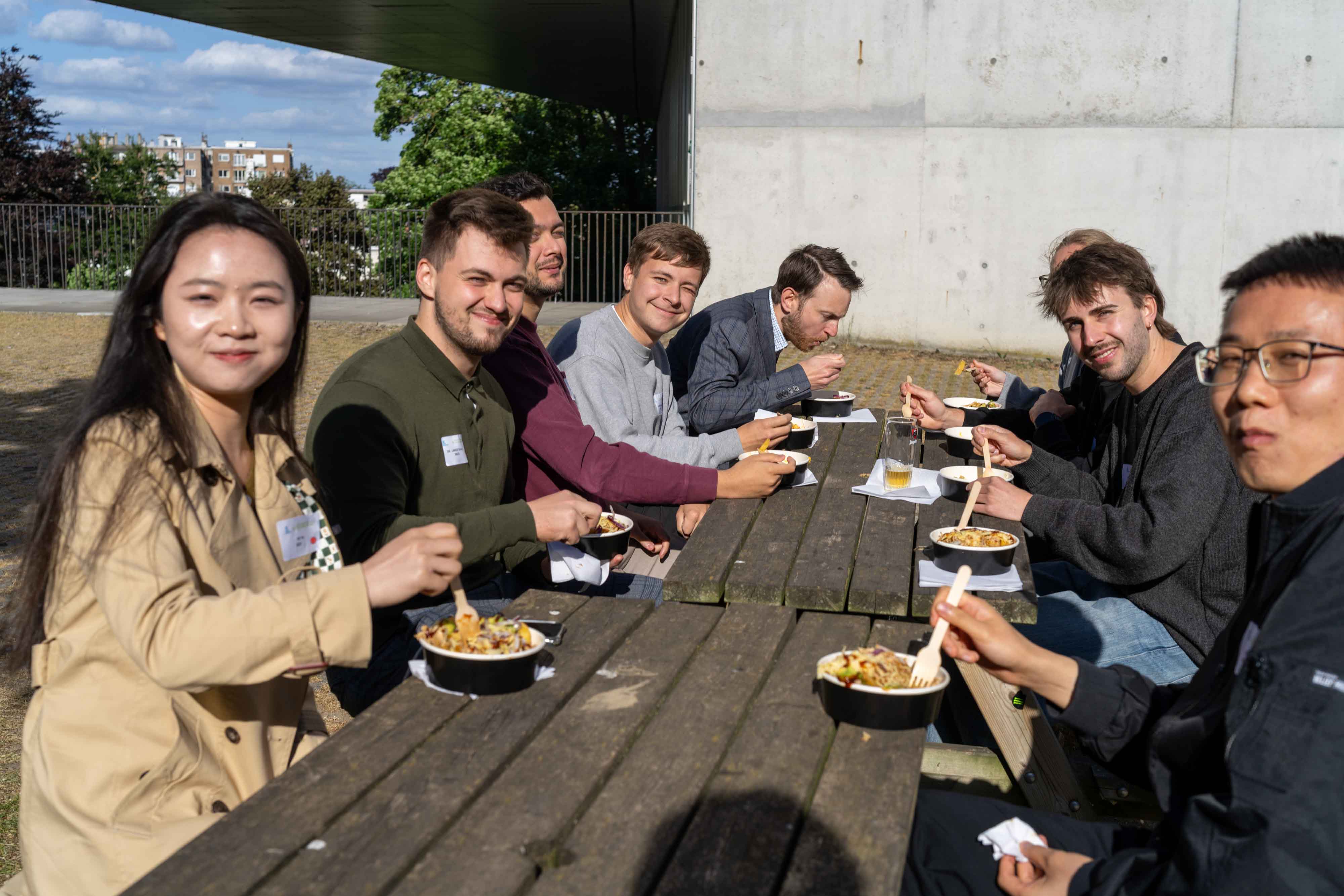
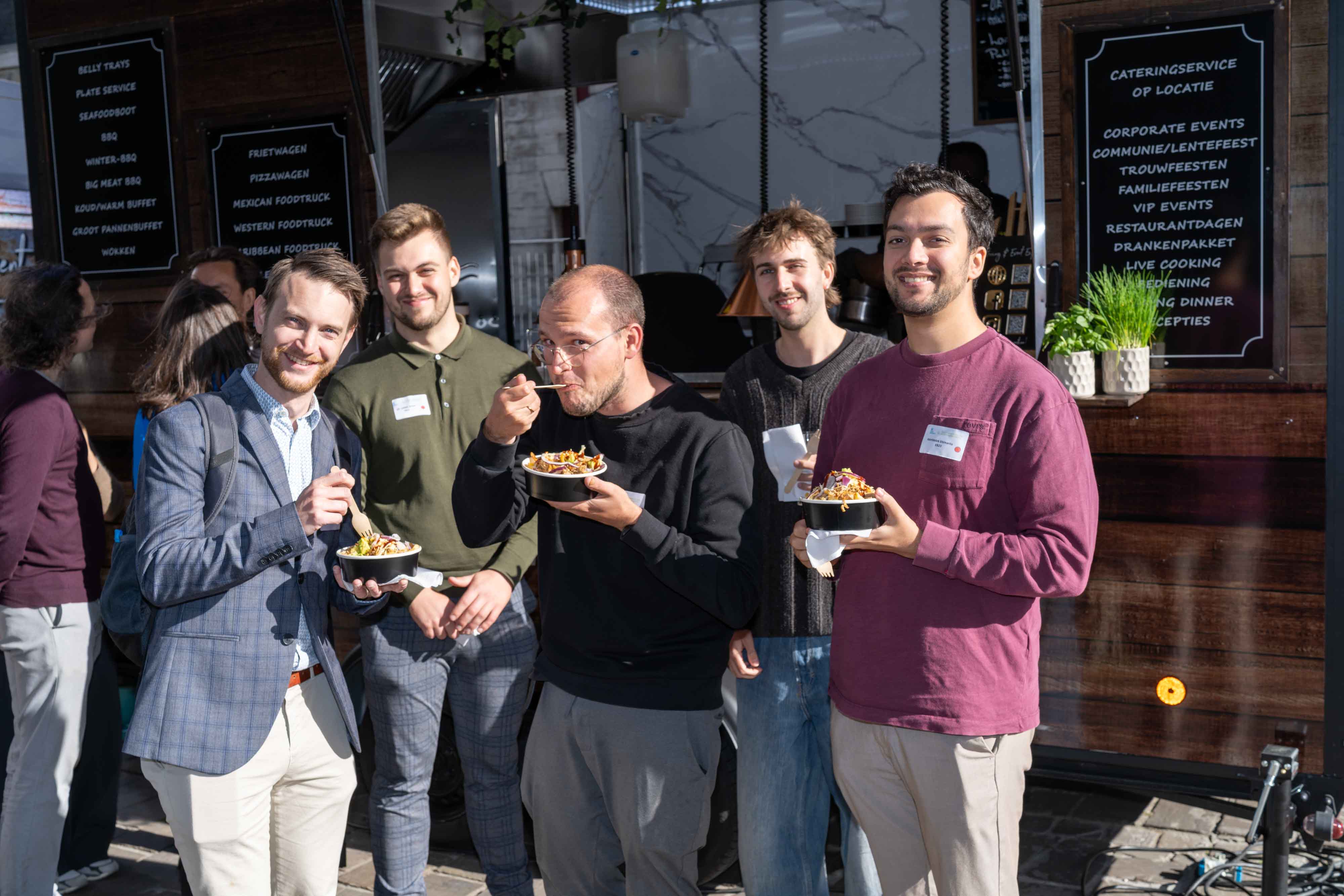
Thank you all for a wonderful research day! We've gathered some memorable moments from the day — scroll down to view the photo gallery.



Practical
The next annual research day will take place on Thursday May 22 2025 at Campus Tweekerken.
Subject
The subject of this year is Integrating research into industry.
Panel: The integration of academic research in today’s industry
As innovation continues to accelerate, the gap between academic insights and real-world applications is narrowing, which creates immense opportunities for private-public collaborations. Our panel discussion will explore how research from universities and institutions can be incorporated into modern industries, helping to shape future advancements. Our panel members will look at the challenges of bridging these two worlds, from aligning goals to facilitating research activities. Our panel brings together voices from both academia and industry to share experiences, best practices and visions for the future.
Members:- Prof. Dr. Dieter Deforce (president IOF-council)
- Dr. Bart Vangerven (Senior Product Analyst at OMP)
- Matthias Marescaux (Director Grants & Incentives at KPMG)
- Koen Maertens (CTO FlandersMake)
Workshops
The list of workshops can be found below. For the full program, see here.
Workshop 1: Speed Reading (Ir. Bernard Lernout)
The modern knowledge worker has to read more and more in our information society. Without proper training, our average/habitual reading speed of 250 words per minute would require more than 6 hours per day to remain up to date. New insights in how the brain processes information, allow us to change our reading habits on a daily basis. The key in Speedreading is to adapt the reading speed to the nature of the text and the goal of the reader. While scientific details justify slower speeds, contextual reading can be accelerated significantly.
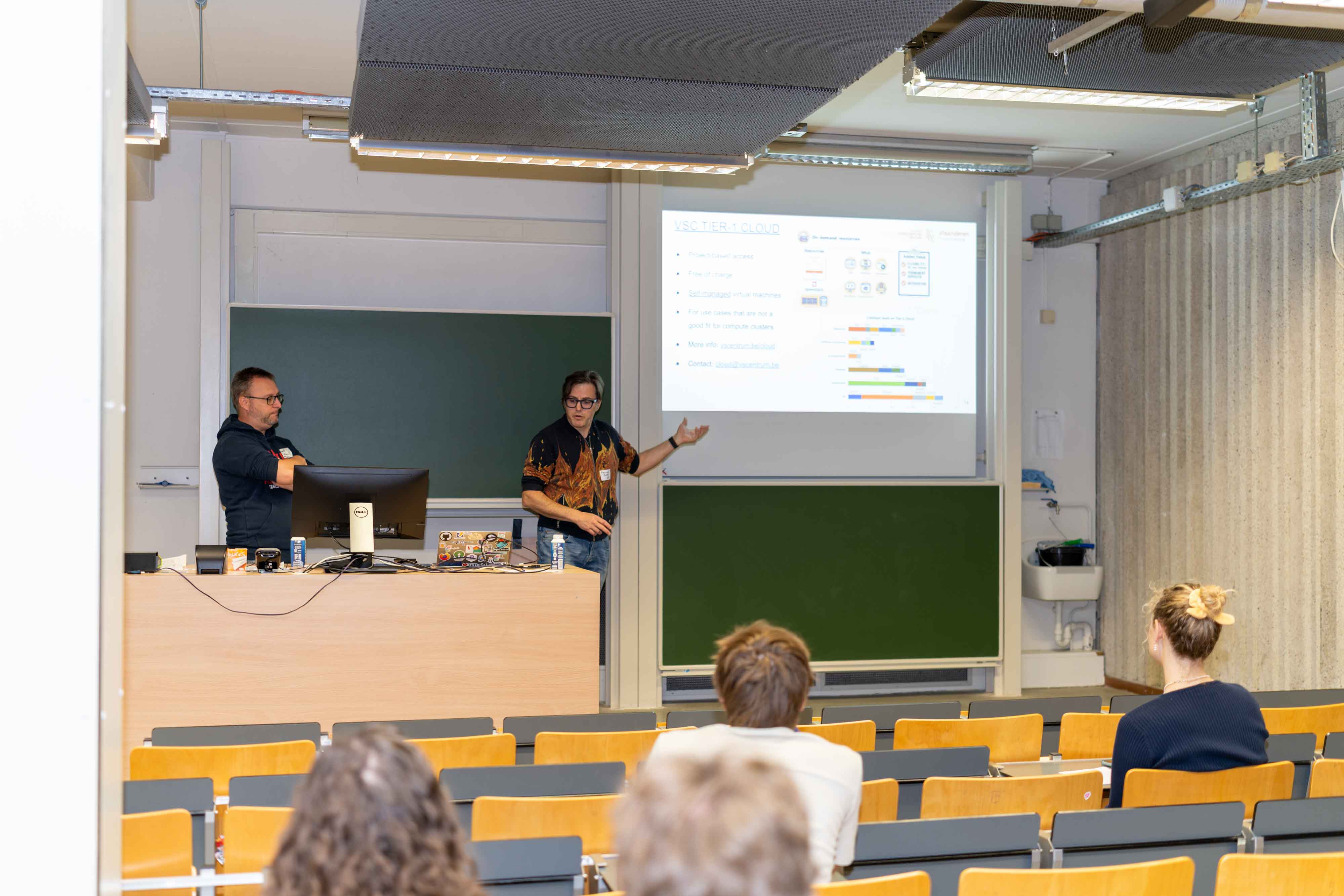
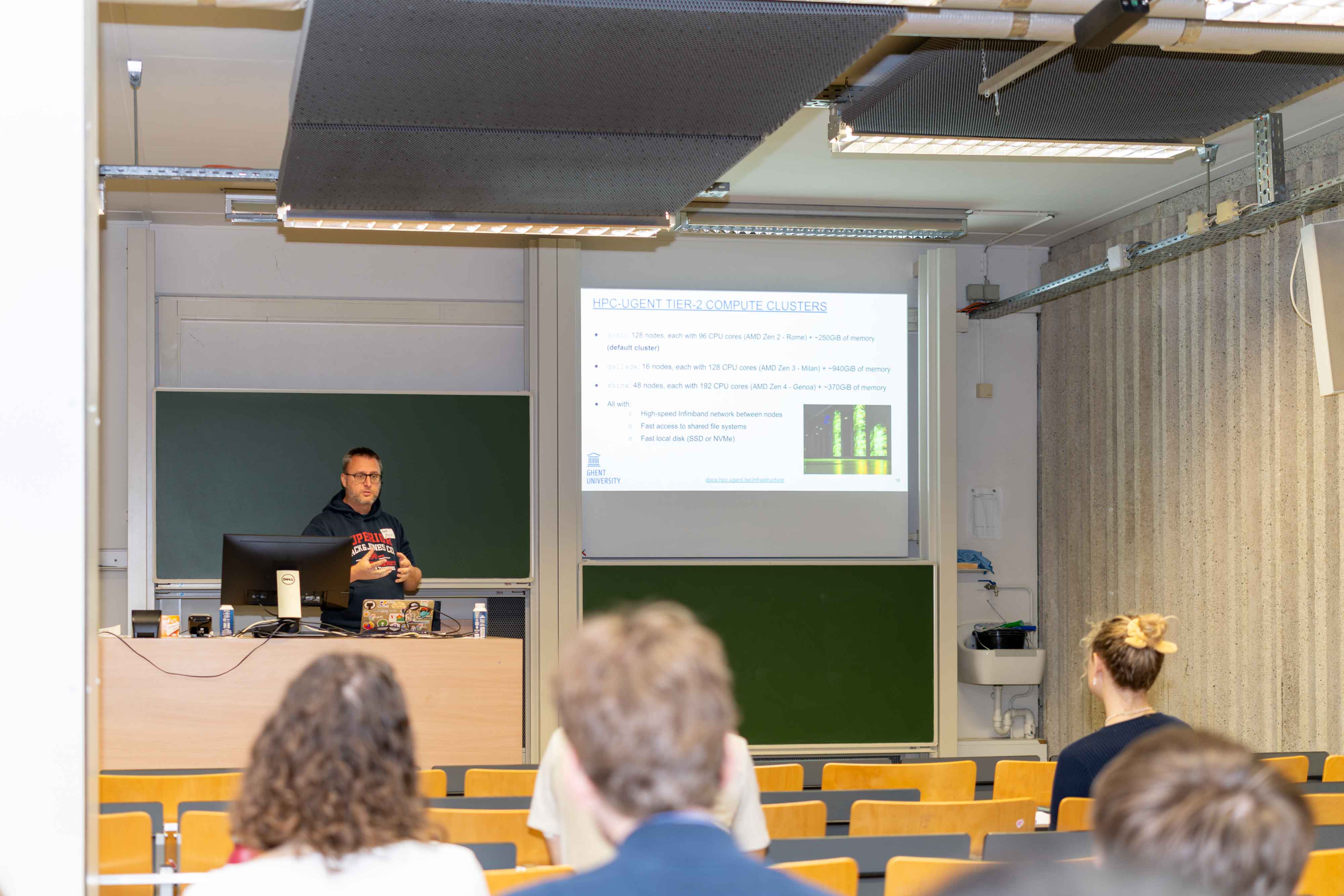
Workshop 2: HPC (Kenneth Hoste en Ewald Pauwels)
High-Performance Computing (HPC) refers to computing on a supercomputer—a system at the forefront of modern processing capabilities, characterized by exceptional computational speed and extensive memory resources. This workshop aims to give an introduction on the fundamentals, applications and benefits of HPC. We will explore emerging technologies, including quantum computing, and their potential impact on the future.
Workshop 3: Data Visualisation (Shimanto Rahman)
Data is everywhere, shaping the way we understand the world around us. Data visualisation helps transform vast amounts of information into clear and meaningful insights through charts, graphs, and interactive tools. By making complex data more accessible, it enables better decision-making and storytelling.
Workshop 4: Data Repositories and Ethical Code
This workshop consists of 2 sessions of 30 minutes.
Session 1. Ethical Code in Research – Building Trust, Transparency, and Excellence in Science (Ludo Peferoen)
This session will be dedicated to research ethics. Participants will learn about ethical guidelines, ensuring data integrity, security, and compliance with the university's ethical code. Further information will be provided later.
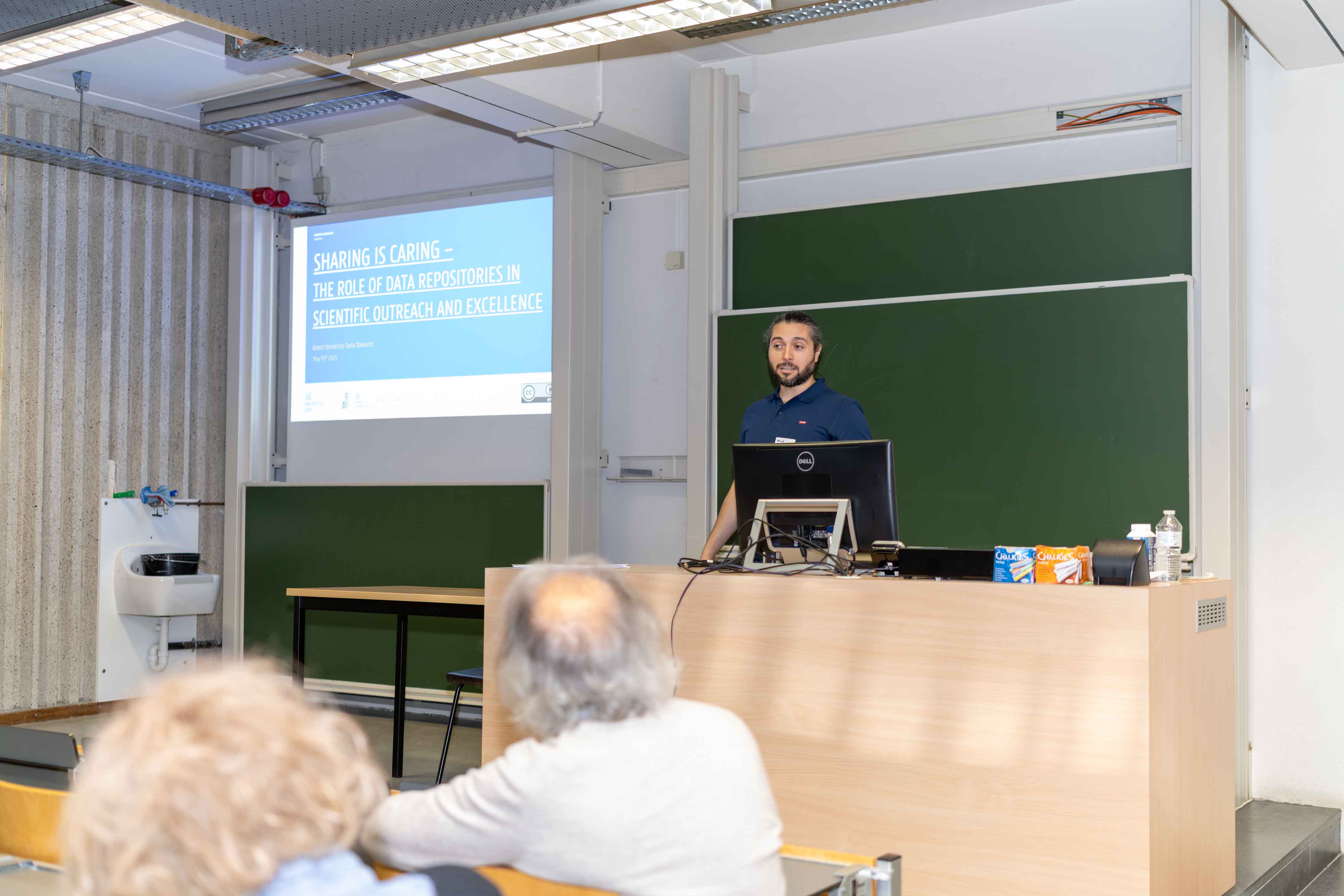
Session 2. Sharing is Caring - The Role of Data Repositories in Scientific Outreach and Excellence (Ziad Choueiki)
Researchers are increasingly required by institutions and funders to make their data accessible after a project's completion. In fact, data should be regarded as a first-class research output, on par with scientific publications. This workshop will dispel common misconceptions about what qualifies as research data, introduce repositories as a standard method for data preservation and sharing, and highlight the career benefits of using repositories as a researcher.
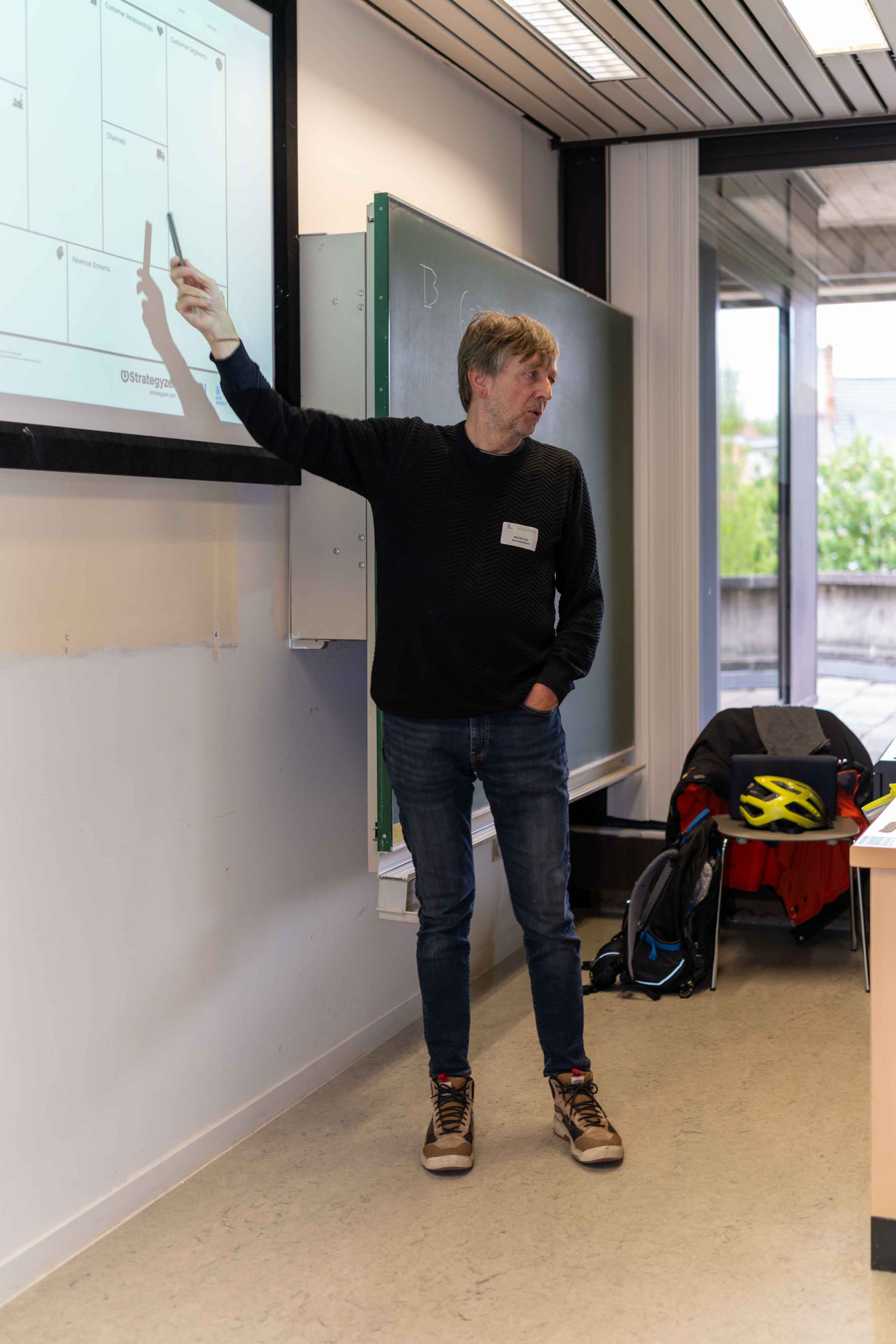
Workshop 5: Entrepreneurship (Gentrepreneur: Luc Peeters)
In this session, we will dive into the Business Model Canvas, a strategic tool that helps entrepreneurs visualise, analyse, and refine their business ideas. You will learn how to define key components like value propositions, customer segments, revenue streams, and operations to build a clear and sustainable business model.